

This post contains affiliate links. As an Amazon Associate, 360 Car Seat earns from qualifying purchases, at no extra cost to you.
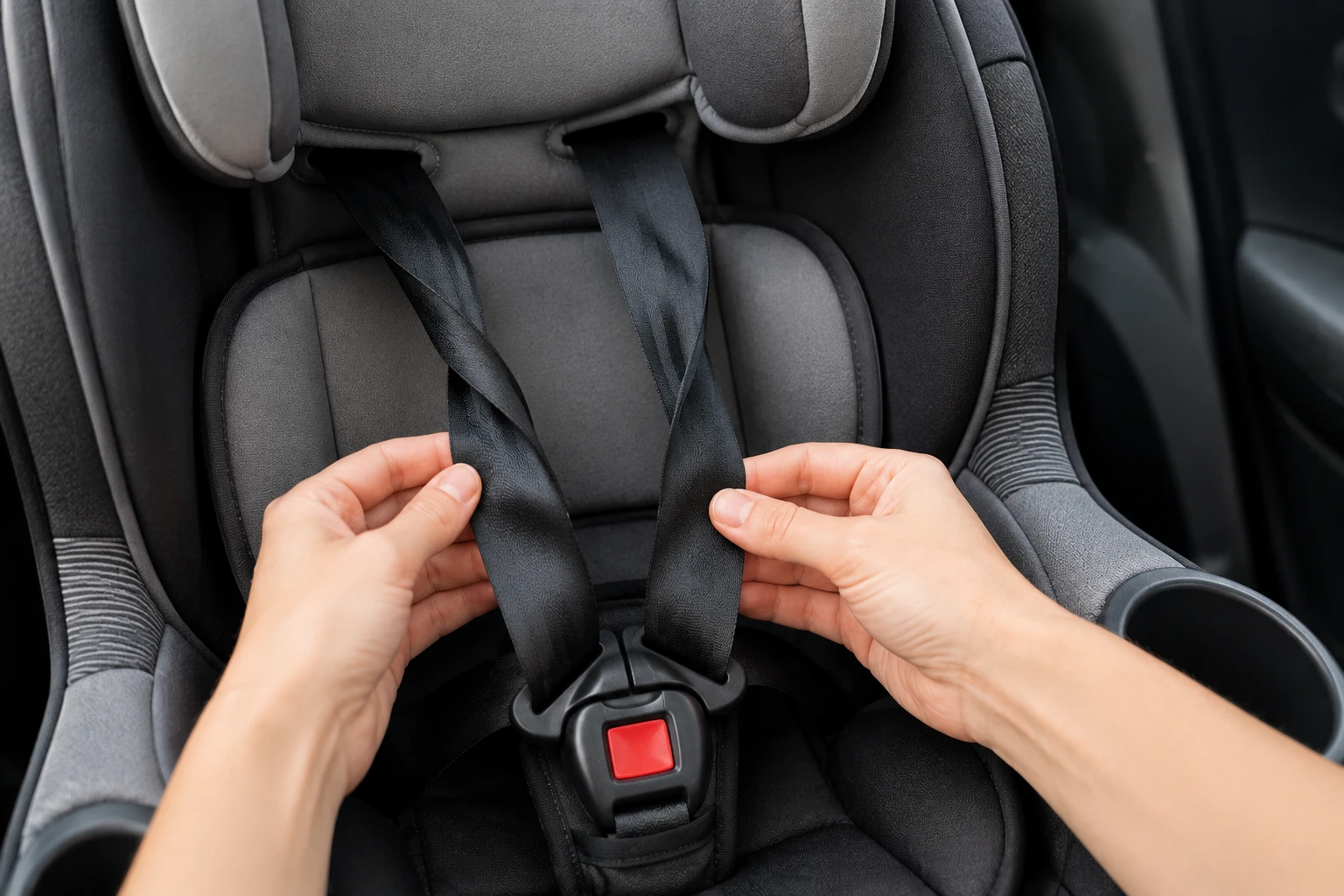
Discovering an Evenflo Revolve 360 harness twisted problem can quickly turn a simple trip into a frustrating experience. One moment you’re securing your child, and the next you’re fighting with straps that refuse to lie flat. Fortunately, most harness twists are easy to identify and fix. Moreover, learning what causes them can help prevent future issues. In this guide, we’ll explore the most common reasons harness straps twist, how to correct them safely, and the best ways to keep your Evenflo Revolve 360 operating smoothly.
What Does a Twisted Harness Mean?
Before attempting any repairs, it’s important to understand what a twisted harness actually is.
Understanding the Harness System
The Evenflo Revolve 360 uses a five-point harness system designed to secure a child at the shoulders, hips, and crotch buckle. When functioning correctly, the harness distributes force evenly and provides a comfortable fit. A properly adjusted harness should:
- Lay completely flat
- Tighten evenly
- Move smoothly through the adjustment system
- Remain free of folds and twists
Because every component works together, even a small twist can affect the harness’s overall performance.
Signs Your Harness Is Twisted
Sometimes the issue is immediately visible. However, other twists may be hidden behind the seat padding or underneath the shell. Watch for these common warning signs:
| Symptom | Possible Cause |
|---|---|
| Folded shoulder straps | Visible twist |
| Uneven strap tension | Hidden rotation |
| Difficulty tightening | Internal strap binding |
| One strap appears shorter | Harness misalignment |
| Buckle tongue sits sideways | Twisted harness path |
If any of these symptoms appear, a thorough inspection is worthwhile.
Why Twists Matter
Many parents wonder whether a twisted harness is truly a concern. The answer is yes. While a minor twist may seem insignificant, harness webbing is designed to lay flat against a child’s body. Twists can create pressure points, reduce comfort, and make adjustments more difficult. Potential problems include:
- Uneven tightening
- Reduced comfort
- Increased webbing wear
- Difficulty buckling
- Poor harness positioning
Furthermore, a twist often signals that another portion of the harness system may also be out of alignment. As a result, it’s best to address an Evenflo Revolve 360 harness twisted issue as soon as possible.
Common Causes of an Evenflo Revolve 360 Harness Twisted Issue
Understanding why twists happen makes prevention much easier.
Child Movement During Rides
Children rarely sit perfectly still. They lean forward, reach for toys, twist around to look at siblings. Over time, these movements can gradually rotate harness straps and create twists. Consequently, even a properly adjusted harness can develop issues after months of daily use.
Twisting During Buckling and Unbuckling
This is one of the most common causes. Parents are often in a hurry. One shoulder strap gets pulled before the other. The buckle twists while securing an active toddler. Repeated daily use can slowly rotate the harness until a visible twist develops.
Improper Harness Adjustment
Harnesses should tighten evenly from both sides. Unfortunately, many parents unknowingly create uneven tension by:
- Pulling one strap more than the other
- Tightening too aggressively
- Leaving one side slightly loose
Although these habits seem harmless, they can contribute to strap twisting over time.
Harness Twisting Behind the Seat
Some twists are impossible to see from the front. The harness may appear perfectly straight. However, hidden rotations behind the seat shell can create ongoing tightening problems. Many recurring Evenflo Revolve 360 harness twisted complaints originate from hidden twists that were never fully corrected.
Frequent Seat Rotation
The rotating feature is one of the Revolve 360’s biggest advantages. However, regular rotation naturally causes the harness system to move. Over time, small adjustments in strap positioning can contribute to twisting. This doesn’t mean the rotating feature causes defects. Rather, it means periodic inspections are especially important.
How to Inspect the Harness for Twists
Before fixing the problem, perform a complete inspection. A few extra minutes can save considerable frustration later.
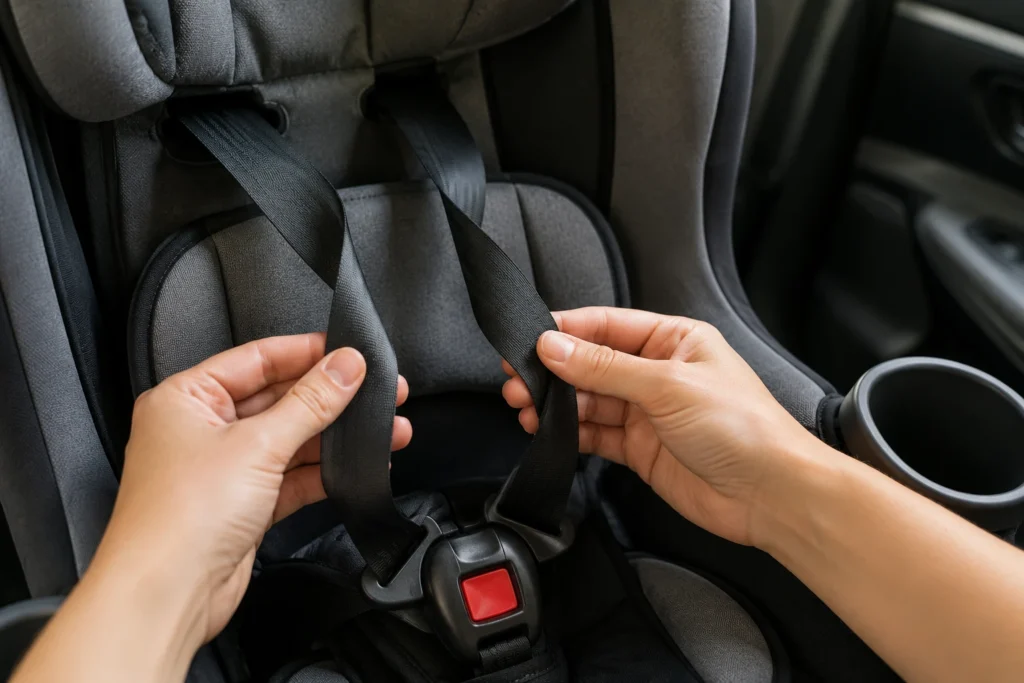
Start With the Shoulder Straps
First, inspect both shoulder straps carefully. Look for:
- Folded webbing
- Rolled edges
- Uneven surfaces
- Visible rotations
The harness should lay flat from top to bottom.
Follow the Entire Harness Path
Next, trace each strap through its entire route. Start at the shoulder area. Continue down toward the buckle. Then follow the harness behind the seat shell. This step often reveals twists that are not visible from the front.
Check the Rear Splitter Plate
The splitter plate is frequently overlooked. Yet it is one of the most common locations for hidden harness twists. Inspect for:
- Crossed straps
- Uneven routing
- Rotated webbing
- Improper attachment
Approaching the inspection methodically is similar to a Failure Mode and Effects Analysis (FMEA), where potential problem areas are examined individually to identify the root cause.
Inspect the Buckle Tongues
The buckle tongues should align naturally with the harness straps. If they appear twisted or angled, the harness may not be routed correctly.
Verify the Harness Lies Flat
Before moving on, perform a final check. Confirm Proper Strap Alignment Check for Smooth Harness Positioning, Ensure the Webbing Remains Straight, Inspect Overall Strap Orientation, Confirm Even Harness Placement, Review Harness Webbing Position, Check for Correct Strap Routing, Ensure the Straps Sit Properly , Perform a Final Harness Alignment Check Confirm the Harness Is Free of Folds and Twists, If everything checks out, you’re ready to begin repairs.
How to Fix an Evenflo Revolve 360 Harness Twisted Problem
Fortunately, most twists can be corrected in just a few minutes.
Step 1: Loosen the Harness Completely
Begin by loosening the harness as much as possible. Additional slack makes twists easier to locate and remove. Attempting repairs with a tight harness often creates additional frustration.
Step 2: Unbuckle the Harness
Disconnect the buckle tongues and separate the harness components. This provides a clearer view of the entire system.
Step 3: Trace Each Strap Individually
Focus on one side at a time. Follow the harness from:
- Shoulder slot
- Seat shell
- Rear routing path
- Splitter plate
Working systematically reduces the chance of overlooking hidden twists.
Step 4: Remove Every Twist
Straighten the webbing completely. Don’t stop when it looks “good enough.” The harness should lay perfectly flat along its entire length. In some cases, multiple rotations may be required before the webbing returns to its proper position.
Step 5: Verify Splitter Plate Alignment
After removing the twists, inspect the rear attachment points. Confirm that:
- Straps do not cross
- Connections remain secure
- Webbing remains flat
Many repeat cases of an Evenflo Revolve 360 harness twisted issue stem from incorrect reassembly.
Step 6: Tighten and Test
Reconnect the buckle and slowly tighten the harness. Observe how the straps move. A properly routed harness should:
- Tighten evenly
- Remain flat
- Move smoothly
- Sit comfortably on the child
If resistance occurs, stop and inspect for hidden twists again.
Common Mistakes to Avoid When Fixing Harness Twists
Even experienced parents sometimes make simple mistakes.
Pulling Too Hard
Force rarely solves harness problems. In fact, aggressive pulling can make existing twists worse.
Ignoring Hidden Areas
Many twists occur behind the seat shell. Therefore, inspecting only the visible portion of the harness may leave the actual problem unresolved.
Reassembling Incorrectly
Before disconnecting any components, take reference photos. This simple step can prevent confusion later.
Using Unauthorized Accessories
Never add:
- Strap clips
- Aftermarket pads
- Third-party organizers
- Unapproved harness accessories
These products may interfere with proper harness function.
Assuming the Twist Will Correct Itself
Harness twists rarely disappear on their own. Instead, they typically worsen over time.
Overlooking Other Related Problems
Harness twists are not the only issue parents encounter. Occasionally, an Evenflo Revolve 360 Buckle Stuck problem may also occur due to debris, improper buckle alignment, or accumulated dirt. Therefore, inspecting both the harness and buckle system together is always a good practice. Before moving on to advanced prevention strategies, ensure every twist has been fully corrected and the harness operates smoothly from end to end.
How to Prevent Future Harness Twisting
Fixing a twisted harness is helpful. Preventing it altogether is even better. Fortunately, a few simple habits can significantly reduce the chances of dealing with another Evenflo Revolve 360 harness twisted situation.
Buckle Carefully Every Time
It sounds obvious. However, many twists begin during everyday buckling. Instead of rushing:
- Straighten both shoulder straps first
- Position buckle tongues correctly
- Verify the straps lie flat before tightening
This process only takes a few seconds, yet it can prevent countless headaches later.
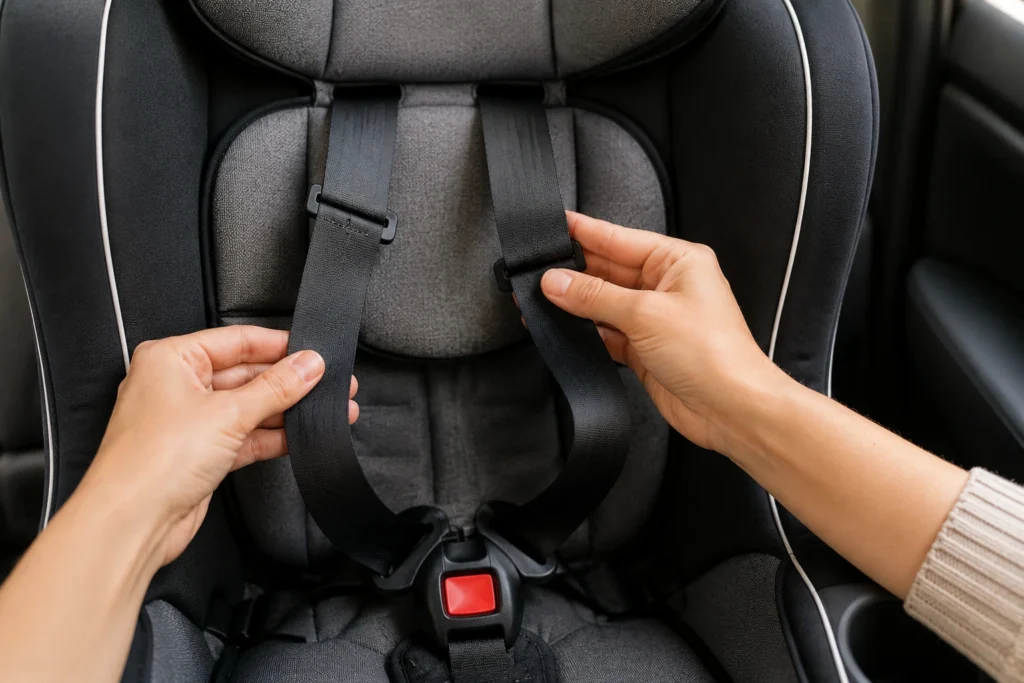
Tighten Evenly
Next, pay attention to how the harness tightens. Many parents unknowingly create uneven tension by pulling one side more aggressively than the other. For best results:
- Center the harness before tightening
- Pull the adjustment strap smoothly
- Check both shoulder straps afterward
Consistent tightening helps keep the webbing aligned.
Teach Older Children Proper Entry Habits
As children grow, they often climb into the seat independently. While that independence is wonderful, it can sometimes contribute to harness twists. Encourage children to:
- Sit down before reaching for straps
- Avoid stepping on harness webbing
- Keep shoulder straps positioned correctly
These habits can reduce unnecessary strain on the system.
Perform Quick Visual Checks
A five-second inspection can save fifteen minutes of troubleshooting later. Before every trip, check for, Flat shoulder straps, Proper buckle alignment, Even harness positioning, No visible folds Small problems are much easier to correct before they become larger ones.
Keep the Harness Organized When the Seat Is Empty
Loose straps tend to migrate. They slide, twist, get caught under toys and blankets. Whenever possible:
- Lay the harness neatly across the seat
- Keep straps untangled
- Avoid placing heavy items on top of the harness
These simple habits can make a surprising difference.
When the Harness May Need Professional Attention
Most twists can be corrected at home. However, some situations require additional assistance.
Persistent Twisting Problems
If you repeatedly correct the same twist and it keeps returning, another issue may be present. Potential causes include:
- Improper routing
- Damaged hardware
- Internal harness misalignment
- Installation issues
Repeated twisting should not be ignored.
Damaged Harness Webbing
Harness webbing is designed to withstand significant forces. However, wear eventually occurs. Inspect regularly for:
- Fraying
- Cuts
- Thin spots
- Discoloration
- Burn marks
If damage is present, contact the manufacturer before continuing use.
Difficulty Tightening
A harness should tighten smoothly. If you notice:
- Excessive resistance
- Jerky movement
- Inconsistent tension
there may be an underlying issue affecting the adjustment mechanism.
Uneven Strap Lengths
After correcting twists, both shoulder straps should function similarly. If one side consistently appears shorter or tighter, further investigation is warranted.
Contacting Manufacturer Support
When in doubt, reach out to Evenflo customer support. They can provide:
- Troubleshooting guidance
- Replacement part information
- Installation recommendations
- Safety-related assistance
Never guess when child safety equipment is involved.
Other Common Evenflo Revolve 360 Harness Problems
Harness twisting is common, but it isn’t the only issue parents encounter.
Harness Won’t Tighten
This problem is often caused by:
- Hidden twists
- Debris in the adjustment path
- Improper strap routing
A full inspection typically identifies the cause.
Harness Won’t Loosen
Likewise, some parents struggle to loosen the harness. Common reasons include:
- Tension on the system
- Incorrect adjustment technique
- Twisted webbing
Relieving pressure on the straps often helps.
Uneven Strap Lengths
Uneven shoulder straps can develop gradually. This issue often stems from:
- Improper routing
- Twists behind the shell
- Misalignment near the splitter plate
Fortunately, most cases can be corrected with careful inspection.
Buckle Challenges
The buckle system also deserves regular attention. Parents should routinely check for:
- Dirt accumulation
- Food debris
- Sticky operation
- Alignment problems
Routine cleaning helps maintain smooth operation.
Rotation Interference
The Revolve 360’s rotating feature is one of its strongest selling points. However, objects trapped beneath or around the seat can occasionally interfere with movement. Always keep the rotating mechanism clean and unobstructed.
Maintenance Tips for Long-Term Harness Performance
Routine maintenance is one of the easiest ways to prevent recurring issues. More importantly, it helps extend the life of the harness system.
Perform Routine Cleaning
Children are experts at creating messes. Crumbs, Juice, Snack residue, All of it eventually finds its way into a car seat. Clean according to the manufacturer’s instructions and avoid harsh chemicals that could damage components.
Inspect Hardware Components
At least once a month, inspect:
- Buckle assembly
- Splitter plate
- Harness adjuster
- Strap webbing
- Seat shell openings
Early detection often prevents larger problems.
Monitor for Wear and Tear
Wear is a normal part of long-term use. However, excessive wear should never be ignored. Look for:
| Component | What to Check |
|---|---|
| Harness straps | Fraying or thinning |
| Buckle | Cracks or sticking |
| Splitter plate | Bending or damage |
| Adjuster strap | Smooth operation |
| Plastic guides | Excessive wear |
Follow Manufacturer Instructions
Every car seat has unique requirements. Therefore, always consult the owner’s manual before:
- Removing components
- Cleaning webbing
- Re-routing straps
- Replacing parts
Following official guidance helps avoid unintended mistakes.
Create a Monthly Inspection Routine
Consistency matters. A simple monthly checklist can help identify problems before they affect daily use. Many safety systems benefit from regular measurement and inspection. In fact, the science of accurate measurement is known as Metrology. While a child car seat is much simpler than industrial equipment, the same principle applies: consistent inspections help ensure components remain properly aligned and functioning as intended. Consider checking. Harness condition, Buckle operation, Strap alignment, Seat rotation, Overall cleanliness Ten minutes each month can help maintain long-term performance.
Conclusion
An Evenflo Revolve 360 harness twisted issue can be frustrating; however, it is usually straightforward to diagnose and fix. By inspecting the harness regularly, correcting twists immediately, and developing good buckling habits, you can help keep the system functioning smoothly. Moreover, consistent maintenance can prevent many common harness problems before they start, making every trip safer and less stressful for both parents and children.
FAQs
Harness twists usually develop from daily use, uneven tightening, or children moving around while seated. Hidden twists behind the seat shell can also contribute to the problem.
A harness should always remain flat against your child’s body. Twisted webbing may affect comfort and proper positioning, so it should be corrected before use.
Loosen the harness completely, inspect the entire strap path, and carefully rotate the webbing back into its correct position. Check both the front and rear routing points.
Yes. Many twists develop near the splitter plate or within the rear harness routing path where they are difficult to see from the front.
A quick visual inspection before each trip is ideal. Additionally, perform a more detailed inspection at least once a month.
Uneven strap tension often indicates a hidden twist, incorrect routing, or improper harness adjustment. Inspect both sides carefully to identify the cause.
Regular rotation can gradually affect strap positioning over time. However, routine inspections and proper harness adjustments usually prevent problems.
Check for twisted webbing, trapped debris, or routing issues behind the seat shell. If the problem persists, consult the owner’s manual or contact customer support.
Yes. Crumbs, liquids, and debris can interfere with buckle operation and harness movement, making routine cleaning important.
Contact Evenflo if you notice damaged webbing, broken components, recurring harness problems, or any issue you cannot safely resolve using the manufacturer’s instructions.

