


Mornings with kids can feel like a sprint you didn’t train for. Shoes go missing. Breakfast gets half-eaten. Someone suddenly remembers a school project—five minutes before you need to leave. I’ve been there. And if you’re reading this, you probably have too. The good news? Learning how to create a stress-free morning routine with kids isn’t about perfection. It’s about building a system that works—consistently, calmly, and realistically.
Let’s break it down and build something that actually sticks.
Why Mornings Feel So Chaotic (And How to Fix It)
A chaotic morning doesn’t usually start in the morning. It starts the night before. Or even earlier—with habits that haven’t been defined yet.
When there’s no structure, every small decision becomes a delay. What to wear. What to eat. Where are the shoes? Multiply that by two or three kids, and suddenly your morning feels like controlled chaos.
Here’s the shift: instead of reacting to problems, you design your mornings in advance.
That’s the heart of how to create a stress-free morning routine with kids—you remove friction before it starts.
The Real Reason Mornings Are Stressful
Let’s get honest. Most stressful mornings aren’t caused by kids being “difficult.” They’re caused by systems that aren’t working.
Lack of Structure and Predictability
Kids thrive on routine. When every morning feels different, they don’t know what to expect—and that leads to resistance.
Predictability equals cooperation.
Decision Fatigue (For Everyone)
If your child has to decide between five outfits or three breakfast options, you’ve already lost time.
Too many choices slow things down. Fast.
Unrealistic Time Expectations
We all underestimate how long things take. Getting dressed? Five minutes, right?
More like fifteen. Especially when socks suddenly become a problem.
Emotional Energy in the Morning
Kids wake up with different moods. Some are ready to go. Others need time.
If you’re rushing them before they’re ready, you’ll hit resistance almost immediately.
The Foundation of a Stress-Free Morning Routine with Kids
Before you change your mornings, fix your evenings.
Start the Night Before
This is the single biggest upgrade you can make.
Prepare:
- Clothes (including socks, shoes, and accessories)
- School bags (homework checked, forms signed)
- Lunches or snacks
- Water bottles
- Jackets or uniforms
Think of it this way: every decision made at night saves you time in the morning.
Set a Consistent Wake-Up Time
Consistency matters more than early rising.
If your kids wake up at the same time every day, their bodies adjust. That means fewer battles and smoother transitions.
Prioritize Sleep
This is non-negotiable.
A tired child is far more likely to resist everything—getting dressed, eating, brushing teeth. If mornings feel hard, look at bedtime first.
For deeper understanding of how routines and biological rhythms affect behavior, you can explore Circadian rhythm, which explains how consistent sleep and wake cycles regulate energy and mood.
Step-by-Step: Building Your Ideal Morning Routine
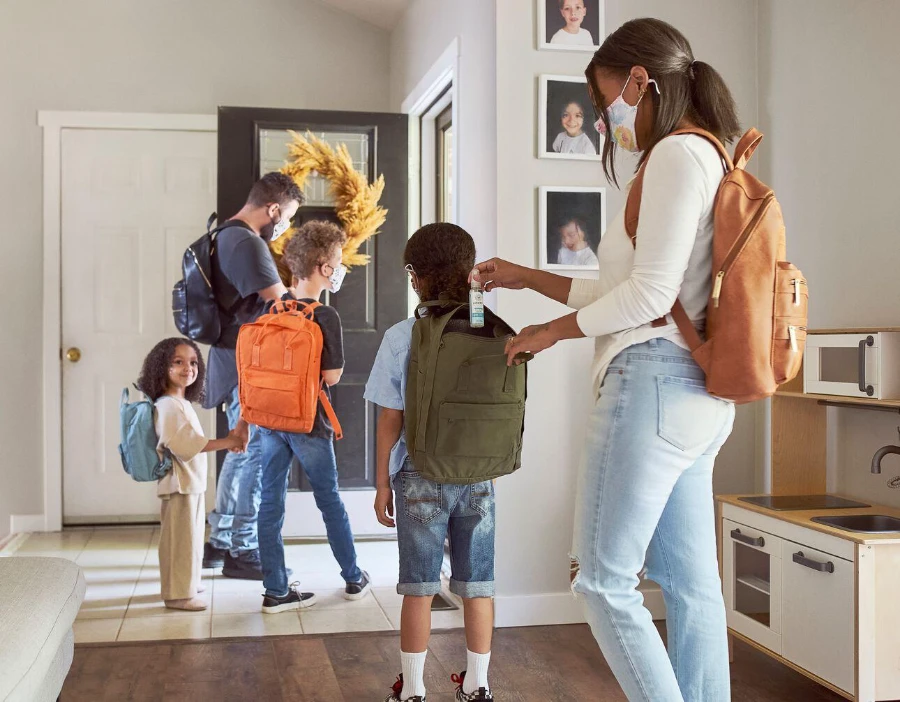
Now we get into the practical side of how to create a stress-free morning routine with kids.
Step 1 – Wake Up Before Your Kids
Even 10 minutes helps.
This is your reset window. No noise. No demands. Just space to think, breathe, and prepare.
It changes everything.
Step 2 – Create a Simple, Repeatable Sequence
Keep it consistent. Keep it simple.
Example routine:
- Wake up
- Use the bathroom
- Get dressed
- Eat breakfast
- Brush teeth
- Grab bags and leave
That’s it. No extra steps. No confusion.
Step 3 – Use Visual Schedules
Kids respond better to what they can see.
A simple checklist on the wall works wonders:
- Get dressed ✔
- Eat breakfast ✔
- Brush teeth ✔
This removes constant reminders from you—and builds independence.
Step 4 – Limit Choices
Instead of asking, “What do you want to wear?” try:
“Do you want the blue shirt or the red one?”
Two options. That’s it.
Step 5 – Build in Time Buffers
Always add extra time.
If you need to leave at 7:30, aim to be ready by 7:20. That buffer absorbs delays without creating panic.
Sample Stress-Free Morning Routine (By Age Group)
Different ages need different levels of support.
Here’s a quick breakdown:
| Age Group | Key Focus | Parent Role | Tools to Use |
| Toddlers (2–4) | Guidance | Hands-on | Visual cues, simple language |
| Preschool (4–6) | Independence | Support | Routine charts, reminders |
| School-age (6+) | Responsibility | Supervise | Checklists, alarms |
Toddlers (Ages 2–4)
You’ll need to guide almost every step.
Keep instructions short. Use repetition. Stay patient.
Preschoolers (Ages 4–6)
This is where independence starts.
Let them complete small tasks on their own—like putting on shoes or packing a bag (with supervision).
School-Age Kids (6+)
Now you shift from doing to guiding.
They can follow checklists, manage time, and take ownership.
Time-Saving Hacks That Make Mornings Easier
Small changes create big wins.
- Create a “launch station” near the door
Shoes, bags, jackets—everything in one place - Prep breakfast in advance
Overnight oats, boiled eggs, or pre-cut fruit - Use timers or music
A 5-minute timer keeps kids moving without constant reminders - Batch prep weekly essentials
Lay out outfits for the week on Sunday
How to Handle Resistance and Meltdowns
Even the best routine won’t eliminate tough mornings. But it will reduce them.
Stay Calm and Consistent
Your tone matters.
If you stay calm, the situation stays manageable. If you escalate, everything escalates.
Use Positive Reinforcement
Catch them doing things right.
“Great job getting dressed quickly!”
It works better than constant correction.
Give Kids a Sense of Control
Kids want autonomy.
Offer controlled choices:
- “Do you want toast or cereal?”
- “Shoes first or jacket first?”
They feel in control—but you’re still guiding the outcome.
Anticipate Problem Moments
Where do things usually go wrong?
- Getting dressed? Lay out clothes earlier
- Eating breakfast? Simplify options
- Finding shoes? Keep them in one place
Fix the pattern, not just the moment.
Common Mistakes to Avoid
Even with the best intentions, these mistakes can derail your progress.
- Overcomplicating the routine
- Trying to change everything at once
- Skipping nighttime preparation
- Relying on yelling instead of systems
- Ignoring your own energy levels
Keep it simple. Keep it consistent.
Making the Routine Stick
This is where most people struggle.
Consistency Over Perfection
Some mornings will still feel messy. That’s normal.
What matters is showing up and sticking to the system.
Review and Improve Weekly
Ask yourself:
- What’s working?
- What’s slowing us down?
Adjust. Refine. Improve.
Involve Your Kids
When kids help build the routine, they’re more likely to follow it.
Ask:
“What would make mornings easier for you?”
You might be surprised by their answers.
A Real-Life Example of a Stress-Free Morning Routine
Let’s make this practical.
Before:
- Wake up late
- Rush everyone
- Forget items
- Leave the house stressed
After implementing how to create a stress-free morning routine with kids:
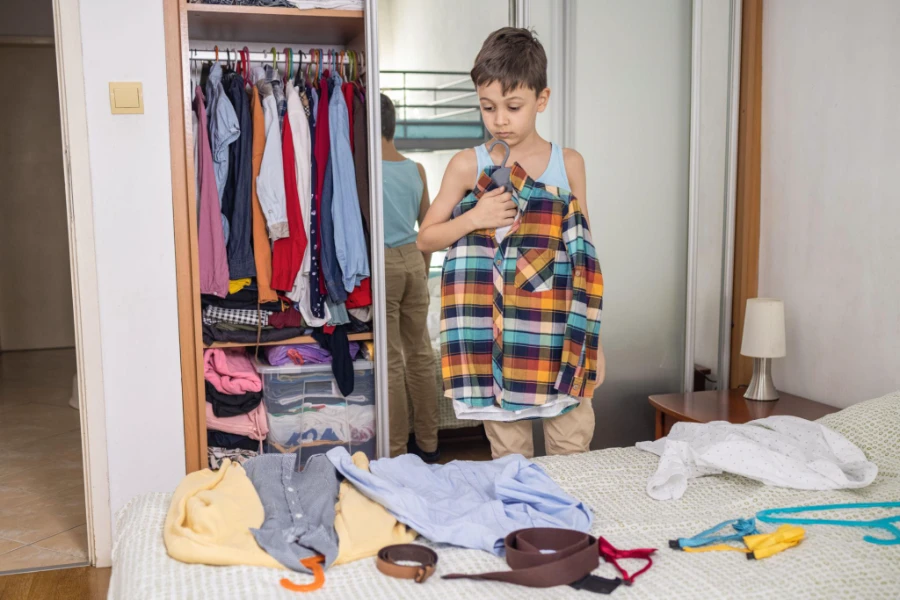
- Clothes ready the night before
- Kids follow a simple checklist
- Breakfast is prepped
- Bags are packed and waiting
The result?
Calm. Predictable. Efficient.
Not perfect—but significantly better.
Final Thoughts: Calm Mornings Are Built, Not Found
A calm morning doesn’t happen by chance. It’s designed.
When you understand how to create a stress-free morning routine with kids, you stop reacting and start leading your mornings with intention.
Getting out the door smoothly starts with preparation. From packing bags to securing your child safely in the car, having the right setup matters. Choosing a smart option like a Cybex car seat 360 can make transitions faster and far less stressful.
Start small. Maybe tonight, you lay out clothes. Tomorrow, you add a checklist.
That’s how it begins.
And over time? Those rushed, stressful mornings become something else entirely.
Manageable. Predictable. Even enjoyable.
Yes—really!
Additional Resource
For a deeper look into structured thinking and systems (a concept often applied in behavior design and routines), you can explore Systems theory, which explains how organized systems create predictable outcomes—even in everyday life like family routines.
FAQs
It usually takes 1–2 weeks of consistency for a new routine to feel natural and effective.
Preparing the night before is the biggest game-changer and eliminates most morning stress.
Even 10–15 minutes earlier can give you enough time to reset and prepare calmly.
Stay consistent, keep instructions simple, and use positive reinforcement to encourage cooperation.
It’s best to avoid screens early, as they can slow kids down and make transitions harder.
Simplify decisions, use checklists, and build small time buffers into your schedule.
Quick, pre-prepped options like fruit, yogurt, or overnight oats save time and reduce stress.
Create a shared structure but adjust expectations based on each child’s age and independence level.
Yes, predictable routines help kids feel secure, which often reduces resistance and meltdowns.
Review what’s causing delays and adjust the system instead of abandoning it completely.

