

This post contains affiliate links. As an Amazon Associate, 360 Car Seat earns from qualifying purchases, at no extra cost to you.
A car seat recline won’t move problem can quickly turn a simple adjustment into a frustrating experience. Whether you’re installing a new seat or making room for a growing child, a stuck recline mechanism can affect both comfort and safety. Meanwhile, many parents deal with other car seat concerns, such as when a Revolve 360 Won’t Recline during travel. Fortunately, most recline issues have identifiable causes and practical solutions. In this guide, you’ll learn why a car seat recline won’t move, how to troubleshoot the problem, and when replacement may be the safest option.
What Does the Car Seat Recline Feature Do?
The recline function is more than a comfort feature. In fact, it plays an important role in helping children remain properly positioned during everyday travel and in the event of a collision.
Understanding Car Seat Recline Positions
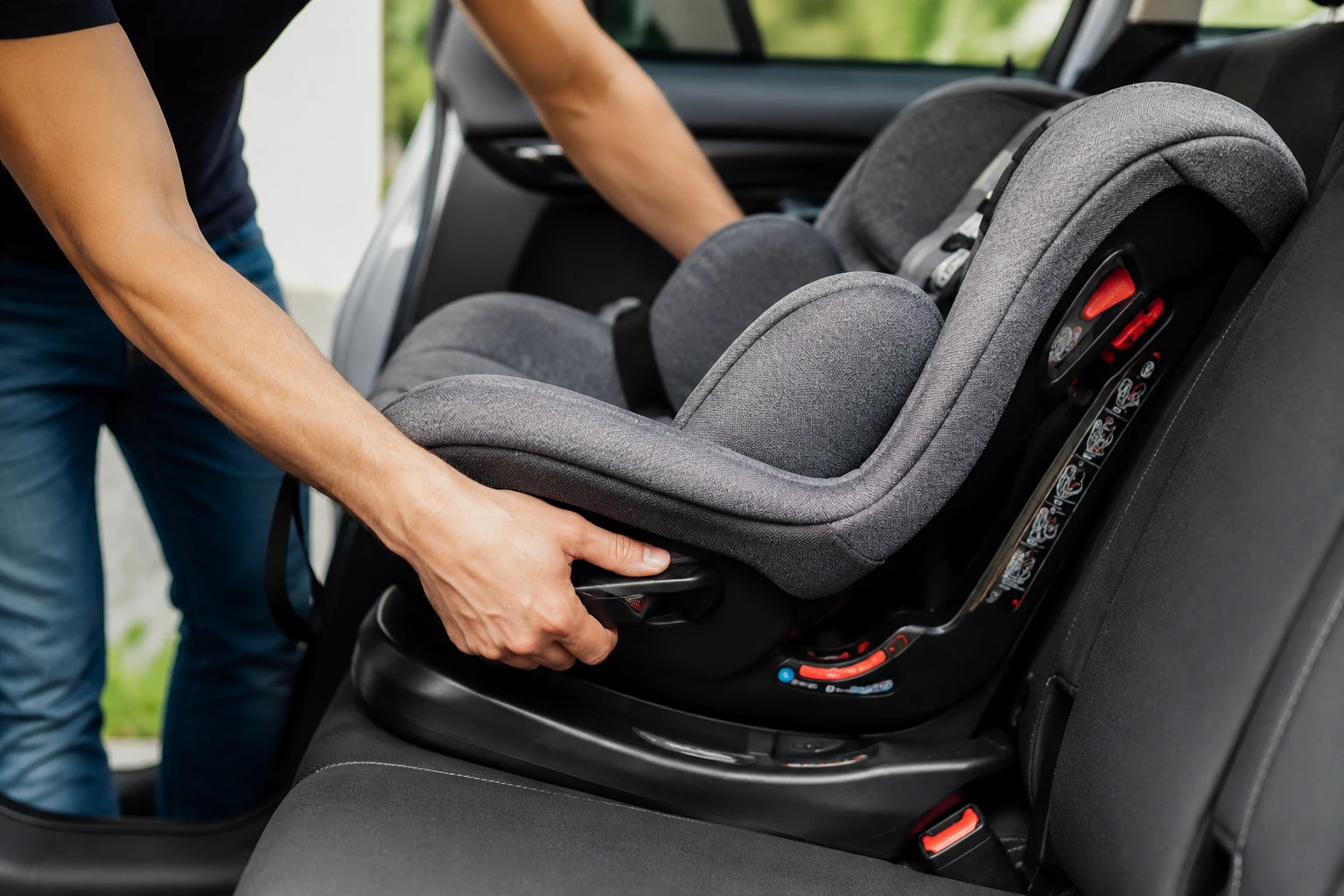
Most modern car seats offer multiple recline settings designed for different stages of development. Rear-facing seats typically require a greater recline angle to help support an infant’s head and airway. On the other hand, forward-facing seats generally sit more upright because older children have stronger neck muscles and different safety needs. Depending on the model, the recline system may include:
- A push-button release
- A lever mechanism
- An adjustable base
- A rotating handle
- Multiple preset positions
Although the designs vary, the goal remains the same: proper positioning.
Why Proper Recline Matters
Correct recline angles help improve both comfort and protection. Benefits include:
- Supporting the child’s head and neck
- Maintaining proper harness positioning
- Improving crash protection
- Following manufacturer recommendations
- Increasing comfort during long trips
Therefore, if a car seat recline won’t move, the issue should be addressed as soon as possible.
Common Reasons a Car Seat Recline Won’t Move
Before assuming the seat is permanently damaged, it’s important to identify the cause. Often, the solution is simpler than expected.
Dirt, Crumbs, and Debris Blocking the Mechanism
Car seats experience constant use. Food crumbs, dirt, sand, pet hair, and other debris frequently find their way into small openings and moving parts. Over time, this buildup can prevent the recline mechanism from operating smoothly. Common areas where debris accumulates include:
- Beneath the seat shell
- Along recline tracks
- Around release levers
- Between moving plastic components
Signs of a blockage may include:
- Stiff movement
- Grinding sensations
- Partial movement
- Inconsistent operation
Mechanical systems often fail because small contaminants gradually interfere with moving parts. In engineering, this type of wear can sometimes be compared to the concept of tribology, the study of friction, wear, and lubrication between interacting surfaces. Even minor debris accumulation can significantly affect how smoothly a recline mechanism operates. As a result, a thorough cleaning may restore normal function.
Recline Lock Is Still Engaged
Many car seats include locking mechanisms that prevent accidental adjustments. However, parents occasionally attempt to move the seat without fully releasing the lock. Consequently, the mechanism may feel jammed even though it is operating exactly as designed. Before troubleshooting further, verify that:
- The correct release button is being used
- The adjustment sequence is correct
- Pressure is being applied properly
- The seat is unloaded during adjustment
Sometimes, what appears to be a major malfunction is simply a locked recline system.
Twisted or Misaligned Components
Years of daily use can affect the alignment of internal parts. Children climb into seats. Parents transfer them between vehicles. Components experience repeated stress. Eventually, parts may become slightly misaligned. Common symptoms include:
- Uneven movement
- Difficulty changing positions
- Sticking during adjustment
- Failure to lock properly
Proper alignment is critical for any system that relies on moving parts. A useful comparison can be found in kinematics, the branch of mechanics that studies motion and the movement of interconnected components. When a car seat’s internal parts become misaligned, even slightly, the recline system may struggle to function correctly. Therefore, alignment problems should never be overlooked.
Vehicle Seat Pressure Preventing Adjustment
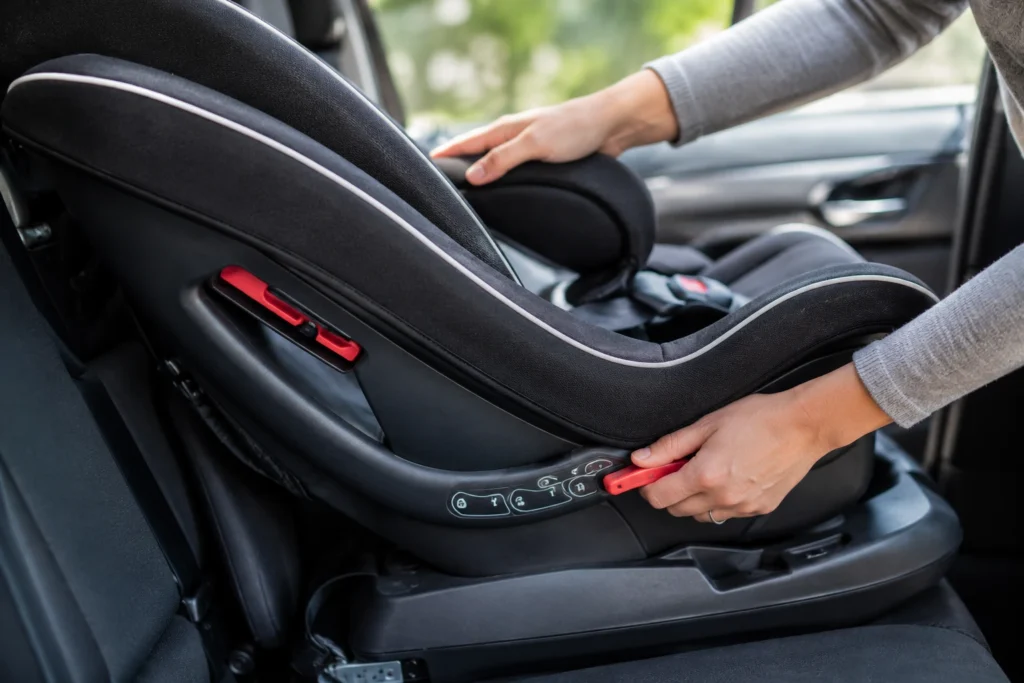
Surprisingly, the recline mechanism may not be the problem at all. Sometimes the system functions perfectly outside the vehicle but becomes difficult to move once installed. This often happens because:
- Installation straps are excessively tight
- Vehicle cushions compress the base
- Soft vehicle seats create additional pressure
- The recline mechanism becomes restricted after installation
If your car seat recline won’t move only when installed, remove it and test it outside the vehicle. If it suddenly works, installation pressure is likely the cause.
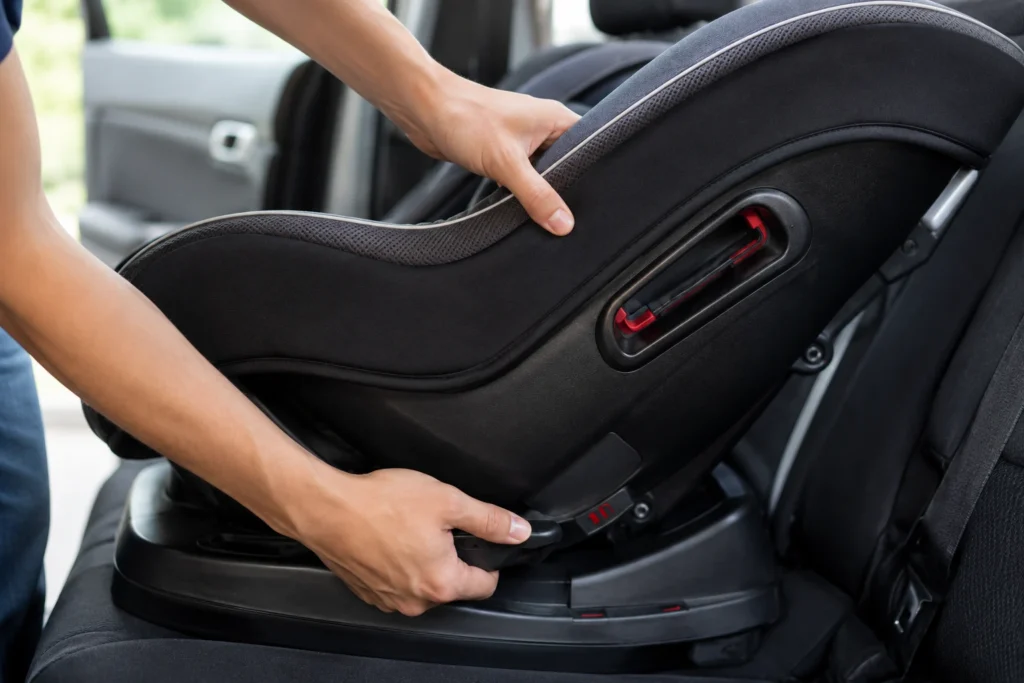
Damaged Recline Handle or Lever
Like any mechanical component, recline handles eventually wear out. Plastic can crack. Springs can weaken. Connections can break. Watch for the following warning signs:
| Symptom | Possible Cause |
|---|---|
| Loose handle | Broken internal linkage |
| Lever moves freely | Detached component |
| Missing clicks | Damaged locking mechanism |
| Cracked plastic | Physical wear or impact damage |
In these situations, the problem may require replacement parts rather than simple cleaning.
Previous Accident Damage
Even a minor collision can affect a car seat. The challenge is that internal damage often remains hidden. After an accident, watch for:
- New sticking points
- Difficulty changing positions
- Unexpected noises
- Cracks or stress marks
- Failure to lock securely
If the problem appeared after a collision, the seat may have suffered structural damage that is not immediately visible.
How to Fix a Car Seat Recline That Won’t Move
Once the cause is narrowed down, you can begin troubleshooting. Importantly, avoid forcing the mechanism. Doing so may create additional damage.
Step 1: Review the Owner’s Manual
First, consult the owner’s manual. Different manufacturers use different adjustment systems, and some require specific steps before movement is possible. The manual may reveal:
- Model-specific adjustment procedures
- Lock-release instructions
- Maintenance recommendations
- Troubleshooting guidance
Although it seems basic, this step often solves the problem quickly.
Step 2: Remove the Car Seat From the Vehicle
Next, remove the seat completely. Working outside the vehicle provides:
- Better visibility
- Easier access
- Reduced pressure on components
- More accurate diagnosis
If the recline begins working after removal, vehicle installation pressure is likely contributing to the issue.
Step 3: Inspect for Obstructions
Now carefully inspect the entire recline system. Pay special attention to:
- Tracks
- Hinges
- Slots
- Moving joints
- Lever openings
A flashlight can help reveal hidden debris. Safe cleaning tools include:
- Soft brushes
- Vacuum attachments
- Compressed air
- Microfiber cloths
Avoid using sharp objects that could damage the mechanism.
Step 4: Test the Recline Mechanism
After cleaning, test the system slowly. Follow these steps:
- Engage the release mechanism.
- Apply steady pressure.
- Move through each recline position.
- Listen for unusual sounds.
- Observe any sticking points.
Smooth movement generally indicates that the mechanism remains functional.
Step 5: Examine the Recline Lever or Handle
Inspect the lever closely. Look for:
- Cracks
- Warping
- Missing pieces
- Loose connections
- Excessive movement
A damaged lever may not properly engage the internal recline system.
Step 6: Reinstall and Retest
Finally, reinstall the seat according to the manufacturer’s instructions. Then test the recline again. If the mechanism functions outside the vehicle but not inside, focus on installation adjustments rather than replacing the seat.
Signs the Recline Mechanism May Be Broken
Unfortunately, some problems indicate more serious damage.
Lever Moves but Seat Doesn’t Adjust
This often points to a failed internal connection between the handle and recline system.
Grinding, Clicking, or Sticking Sounds
Unusual sounds may indicate:
- Broken gears
- Damaged tracks
- Worn locking components
- Internal mechanical failure
Seat Gets Stuck Between Positions
A recline system should lock securely into designated positions. If the seat becomes trapped midway, internal damage may exist.
Visible Cracks or Damage
Any visible crack should be treated seriously because structural integrity may be compromised.
Recline Positions No Longer Lock Securely
Most importantly, discontinue use if the recline positions fail to lock consistently. A seat that shifts unexpectedly may no longer provide the level of protection it was designed to deliver.
Can You Lubricate a Stuck Car Seat Recline Mechanism?
When a car seat recline won’t move, many parents immediately reach for a lubricant. However, that isn’t always the best solution.
When Lubrication May Help
In some cases, minor friction between moving parts can cause stiffness. If the manufacturer specifically approves lubrication, it may help restore smoother movement. Before applying anything:
- Read the owner’s manual
- Verify approved products
- Follow manufacturer instructions exactly
- Use only small amounts if permitted
Even then, lubrication should be viewed as a limited solution rather than a universal fix.
When Lubrication Should Be Avoided
More often than not, manufacturers discourage the use of lubricants. Why? Because lubricants can:
- Attract additional dirt and debris
- Damage plastic components
- Affect locking mechanisms
- Void warranty coverage
Therefore, if a car seat recline won’t move, cleaning and inspection should come before lubrication.
Car Seat Recline Won’t Move After Cleaning
Sometimes parents clean the seat thoroughly only to discover the problem remains. This can be confusing. After all, debris was supposed to be the issue.
Moisture-Related Problems
Water can occasionally enter areas that were previously dry. As a result:
- Components may swell slightly
- Springs may become sluggish
- Internal parts may temporarily stick
Allow the seat to dry completely before further troubleshooting.
Improper Reassembly
Many seats require partial disassembly during deep cleaning. Unfortunately, even a small mistake during reassembly can affect recline operation. Check:
- Fabric routing
- Cover attachment points
- Harness positioning
- Plastic panel alignment
A misplaced component may interfere with movement.
Hidden Internal Damage
Cleaning sometimes reveals a bigger issue. If the mechanism still sticks after debris removal, internal damage may already exist. In that situation, additional cleaning is unlikely to help.
Car Seat Recline Won’t Move After an Accident
Accidents change everything. Even if the collision seems minor, the recline system may have absorbed forces that weakened or damaged internal components.
Why Crash Damage Isn’t Always Visible
The challenge is that structural damage often remains hidden. The exterior may look perfectly normal. Meanwhile, internal components may have:
- Shifted
- Cracked
- Bent
- Lost structural integrity
Consequently, a car seat recline won’t move issue appearing after a collision should never be dismissed.
Manufacturer Replacement Guidelines
Many manufacturers recommend replacing a car seat after certain types of crashes. Requirements vary depending on:
- Crash severity
- Seat model
- Manufacturer policies
- Visible damage
Always review the manufacturer’s crash replacement guidelines before continuing to use the seat.
When Replacement Is the Safer Choice
Replacement becomes the better option when:
- Damage is visible
- Recline positions no longer lock
- The mechanism becomes unpredictable
- The manufacturer recommends replacement
Safety should always take priority over cost savings.
When to Contact the Manufacturer
Sometimes troubleshooting reaches its limit. At that point, contacting the manufacturer is often the smartest next step.
Warranty Coverage Possibilities
Many car seats include limited warranties. Depending on the issue, the manufacturer may:
- Provide replacement parts
- Replace the seat
- Offer troubleshooting assistance
- Identify known defects
Therefore, checking warranty coverage can potentially save both time and money.
Replacement Parts Availability
Certain recline components are replaceable. Examples may include:
- Recline handles
- Springs
- Adjustment levers
- External hardware
However, internal structural components are often not user-serviceable.
Information to Gather Before Calling
To streamline support, have the following available:
| Information Needed | Why It Matters |
|---|---|
| Model Number | Identifies exact seat |
| Date of Manufacture | Confirms eligibility |
| Purchase Date | Helps verify warranty |
| Photos of Issue | Assists diagnosis |
| Crash History | Determines replacement recommendations |
The more information you provide, the easier it becomes for support representatives to help.
When You Should Replace the Entire Car Seat
Not every seat can or should be repaired. Eventually, replacement becomes necessary.
Expired Car Seats
All car seats have expiration dates. Materials age. Safety standards evolve. Plastic weakens over time. If the seat has expired, replacement is usually the safest option regardless of the recline issue.
Structural Damage
Visible structural damage is a major warning sign. Watch for:
- Cracks
- Warping
- Missing pieces
- Stress marks
- Broken locking points
Structural problems affect far more than comfort. They affect crash performance.
Failed Recline Mechanisms
A permanently failed recline system may justify replacement when:
- Parts are unavailable
- Repairs are not approved
- Safety performance is uncertain
- Locking positions fail repeatedly
Missing or Unavailable Replacement Parts
Some older models no longer have replacement parts available. In these situations, replacement is often the only practical solution.
How to Prevent Recline Problems in the Future
Although some failures are unavoidable, many can be prevented with routine care.
Perform Regular Cleaning
A clean seat functions better. Every few weeks:
- Vacuum loose debris
- Inspect recline tracks
- Remove visible crumbs
- Wipe accessible surfaces
Preventive maintenance often stops small issues from becoming larger ones.
Follow Weight and Usage Limits
Manufacturers establish limits for a reason. Exceeding those limits may place additional stress on moving components. Always follow:
- Weight limits
- Height limits
- Usage guidelines
- Recline restrictions
Avoid Forcing the Mechanism
If the seat resists movement, stop. Forcing the mechanism may:
- Break handles
- Damage gears
- Crack plastic parts
- Create more expensive repairs
Instead, identify the cause before applying additional pressure.
Inspect the Seat During Routine Maintenance
Take a few minutes every month to examine:
- Recline handles
- Tracks
- Locking positions
- Adjustment points
Early detection can prevent unexpected failures.
Register Your Car Seat
Registration provides important benefits. Manufacturers can notify owners about:
- Safety recalls
- Defect notices
- Replacement programs
- Updated guidance
Consequently, registration is one of the simplest safety steps parents can take.
Conclusion
If your car seat recline won’t move, don’t assume the seat is automatically ruined. Often, debris, installation pressure, or a simple adjustment issue is responsible. However, if troubleshooting doesn’t solve the problem, or if damage is suspected, contact the manufacturer immediately. Ultimately, a properly functioning recline system is essential for both comfort and safety, so addressing the issue promptly helps ensure every ride remains as safe as possible.
FAQs
Debris, installation pressure, or a damaged recline mechanism are the most common causes.
Only if the seat remains in a manufacturer-approved position for your child’s age and size.
You may notice stiffness, grinding sounds, or partial movement when adjusting the seat.
Yes, removing the seat makes it easier to inspect, clean, and test the recline system.
Yes, excessive pressure from vehicle seats or tightly secured anchors can restrict movement.
Only if the manufacturer specifically recommends a lubricant for that model.
Yes, crash forces can affect internal components even when no external damage is visible.
Inspect it for cracks or broken connections and contact the manufacturer if damage is suspected.
No, availability depends on the manufacturer and the age of the seat.
Replace it if it is expired, structurally damaged, involved in a significant crash, or unable to lock securely.

