
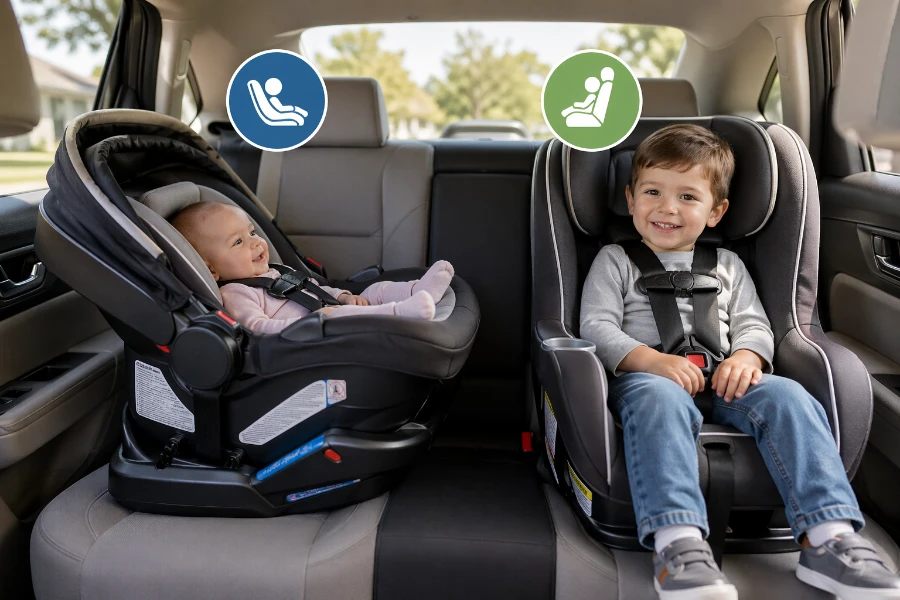

You’re making one of the most important safety decisions as a parent every time your child gets into the car. And yes—it comes down to understanding rear facing vs forward facing car seat safety guidelines and applying them correctly. Not later. Not “when it feels right.” Right now.
Let’s get straight into it.
Understanding Car Seat Basics
Car seats aren’t just accessories. They’re engineered safety systems designed to reduce injury during a crash.
There are three main stages:
- Rear-facing car seats (for infants and young toddlers)
- Forward-facing car seats (for older toddlers and preschoolers)
- Booster seats (for bigger kids not ready for seat belts alone)
Each stage exists for a reason. Skip one too early, and you’re taking a risk you don’t need to take.
And if you’re thinking about how to travel safely with a toddler in a vehicle, it always starts with choosing the correct car seat stage and using it properly every single time.
What Is a Rear-Facing Car Seat?
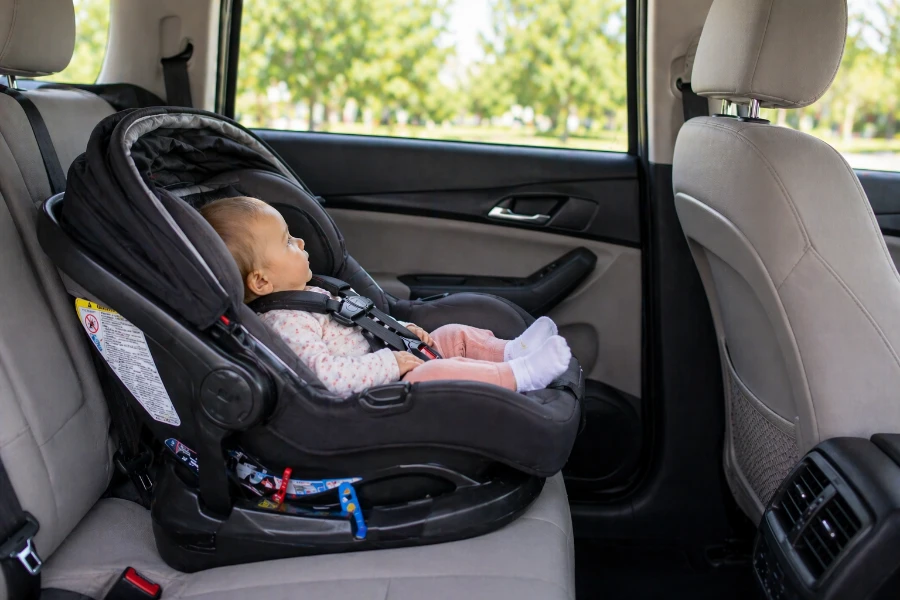
A rear-facing car seat positions your child facing the back of the vehicle. Simple idea. Powerful impact.
Here’s why it matters.
In a crash, your child’s body is pressed into the seat. The shell absorbs the force. The head, neck, and spine stay aligned. That’s huge—especially because young children have fragile necks and proportionally larger heads.
This protection is especially critical in high-force events like a collision, where sudden deceleration can place extreme stress on a child’s body.
Types of rear-facing seats:
- Infant-only seats (smaller, portable)
- Convertible seats (grow with your child)
Rear-facing isn’t just for newborns. It’s for as long as possible.
What Is a Forward-Facing Car Seat?
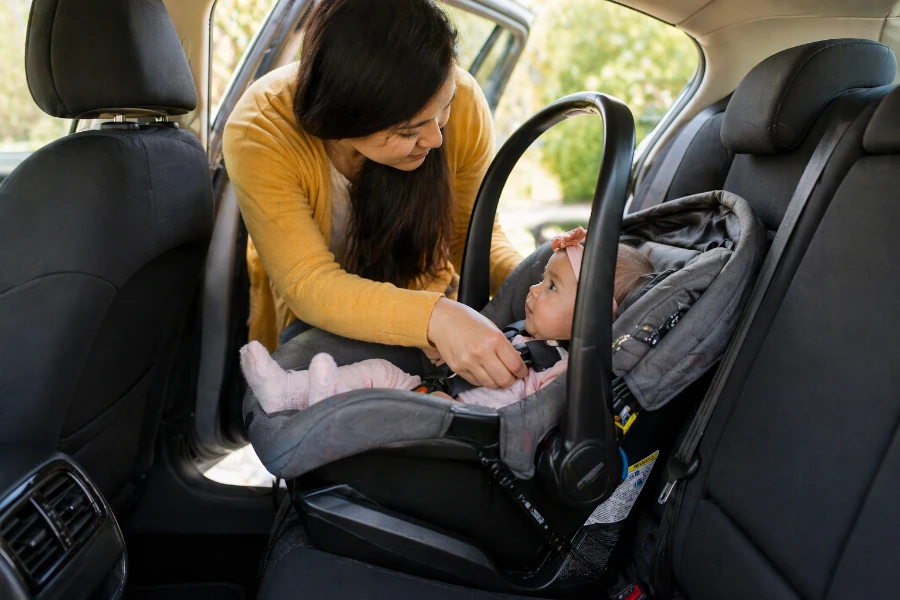
A forward-facing car seat places your child facing the front of the vehicle and uses a harness system to secure them.
It’s designed for kids who have outgrown rear-facing limits—not kids who are simply “big enough” in your opinion.
In a crash, the harness restrains the body. But the head moves forward. That’s where the risk increases.
Rear Facing vs Forward Facing Car Seat Safety Guidelines (The Core Truth)
Let’s break this down clearly.
Rear-facing distributes crash forces across the entire body.
Forward-facing concentrates force on the harness points and neck.
That difference matters more than most people realize.
Key Comparison
| Feature | Rear-Facing | Forward-Facing |
| Head & Neck Support | Excellent | Limited |
| Crash Force Distribution | Evenly spread | Focused on harness |
| Recommended For | Infants & toddlers | Older toddlers |
| Injury Risk | Lower | Higher (if used too early) |
In plain terms: rear-facing is safer. Period.
This is why rear facing vs forward facing car seat safety guidelines strongly favor keeping children rear-facing as long as possible.
When Should You Switch?
This is where many parents go wrong.
Not by intention—but by timing.
Follow these rules:
- Stay rear-facing until you hit the maximum height or weight limit of the seat
- Minimum age? Around 2 years. But that’s not the goal—it’s the floor
- Many kids can stay rear-facing until age 3 or even 4
Signs it’s time to switch:
- Your child exceeds the seat’s weight limit
- Their head is too close to the top of the seat
- Manufacturer guidelines say it’s time
Not because:
- Their legs look cramped
- They “seem uncomfortable”
- Someone else switched earlier
Those aren’t safety indicators.
Why Rear-Facing Is So Effective
Let’s get specific.
Rear-facing seats:
- Support the entire spine during impact
- Reduce stress on the neck
- Minimize head movement
- Lower the chance of severe injury
Young children don’t have fully developed bones. Their necks simply can’t handle forward motion in a crash the way adults can.
Rear-facing compensates for that weakness.
And that’s why rear facing vs forward facing car seat safety guidelines consistently emphasize extended rear-facing.
When Forward-Facing Makes Sense
There is a right time.
Forward-facing becomes appropriate when:
- Your child outgrows rear-facing limits
- They meet height and weight requirements
- The seat is installed correctly with a harness
Some parents consider rotating models like a walmart 360 car seat for convenience, but even with rotating features, the same safety rules apply—rear-facing should still be used as long as possible before switching directions.
Common Myths That Need to Go
Let’s clear up the noise.
“My child’s legs look cramped.”
Kids are flexible. They’re fine. Leg injuries are rare compared to head and neck injuries.
“Forward-facing is more comfortable.”
Comfort doesn’t equal safety. Not even close.
“Short trips don’t matter.”
Most accidents happen close to home. Always follow proper positioning.
“My child wants to face forward.”
Of course they do. That doesn’t make it safe.
Installation Tips That Actually Matter
You can have the best car seat in the world—and still get it wrong.
Do this:
- Make sure the seat doesn’t move more than 1 inch side-to-side
- Keep the correct recline angle for rear-facing seats
- Use the top tether for forward-facing seats
- Position harness straps correctly:
- Rear-facing: at or below shoulders
- Forward-facing: at or above shoulders
Avoid this:
- Loose installation
- Twisted straps
- Bulky clothing under harness
And while safety comes first, don’t overlook maintenance. Following simple tips for keeping car seats clean and odor free helps ensure your child stays comfortable—and prevents distractions during travel.
Real-Life Crash Scenarios
Let’s visualize it.
Frontal Crash (Most Common)
Rear-facing:
The child is pushed into the seat. Force is absorbed. Head stays supported.
Forward-facing:
The body is restrained. The head snaps forward. Neck absorbs stress.
That’s the difference. And it’s why rear facing vs forward facing car seat safety guidelines matter so much in real-world situations.
What Experts Recommend
Organizations that study child safety don’t guess.
- American Academy of Pediatrics recommends keeping children rear-facing as long as possible
- National Highway Traffic Safety Administration supports extended rear-facing based on crash data
For additional government-backed guidance, you can review recommendations from the Centers for Disease Control and Prevention, which also emphasize proper car seat use to reduce injury risk.
Choosing the Right Car Seat
Not all seats are equal. But most meet safety standards.
Here’s what to focus on:
Key factors:
- Your child’s current height and weight
- Seat limits (not just age ranges)
- Ease of installation
- Fit in your vehicle
Types to consider:
- Convertible seats (best long-term value)
- All-in-one seats (grow with your child)
Don’t overcomplicate it. The safest seat is the one you install correctly every time.
Transitioning Between Stages Safely
Rushing the process is where problems start.
A smarter approach:
- Max out rear-facing limits
- Transition only when necessary
- Re-check installation after switching
- Adjust harness height properly
Think of it as leveling up—not skipping ahead.
Travel Preparation That Supports Safety
Safety doesn’t stop at installation. It continues throughout the trip.
If you’re planning longer drives, think about what parents should pack in a diaper bag for car trips—extra clothes, wipes, snacks, and comfort items can reduce distractions and keep your focus on the road.
And when lifting your child in and out of the seat repeatedly, don’t ignore your own health. The best way to reduce back pain when lifting toddlers into cars is to keep your back straight, bend at the knees, and bring your child close to your body before lifting.
Small habits. Big impact.
Mistakes to Avoid
Some of these are more common than you’d think.
- Turning forward too early
- Using a seat that’s expired
- Not tightening the harness enough
- Skipping the top tether in forward-facing mode
- Guessing instead of checking the manual
Every one of these reduces protection.
Quick Safety Checklist
Use this every time you buckle your child in:
- Harness snug? ✔
- Chest clip at armpit level? ✔
- Seat tightly installed? ✔
- Correct direction for age/size? ✔
Simple. But powerful.
Final Thoughts
Let’s keep it real.
Choosing between rear and forward-facing isn’t about preference. It’s about physics, biology, and timing.
The safest move? Keep your child rear-facing as long as possible. Follow the limits. Ignore the myths. Stick to proven rear facing vs forward facing car seat safety guidelines.
I’ve seen too many parents switch too early because it “felt right.” Safety doesn’t work that way.
Make the decision based on facts.
Because in a crash, the right choice makes all the difference.
FAQs
As long as possible—until they reach the maximum height or weight limit of their car seat.
Yes, rear-facing better supports the head, neck, and spine during a crash, reducing injury risk.
Yes, but it’s not dangerous—children naturally sit comfortably in flexible positions.
Only after your child exceeds rear-facing limits set by the car seat manufacturer.
Yes, as long as they meet safety standards and are used rear-facing for as long as possible before switching.
Switching to forward-facing too early is one of the biggest and most risky mistakes.
Snug enough that you can’t pinch any slack in the straps at your child’s shoulders.
Absolutely—most accidents happen close to home, so proper use is essential every time.
Follow rear facing vs forward facing car seat safety guidelines and ensure correct installation and harness use.
Following tips for keeping car seats clean and odor free and packing essentials can improve comfort and reduce distractions.

