
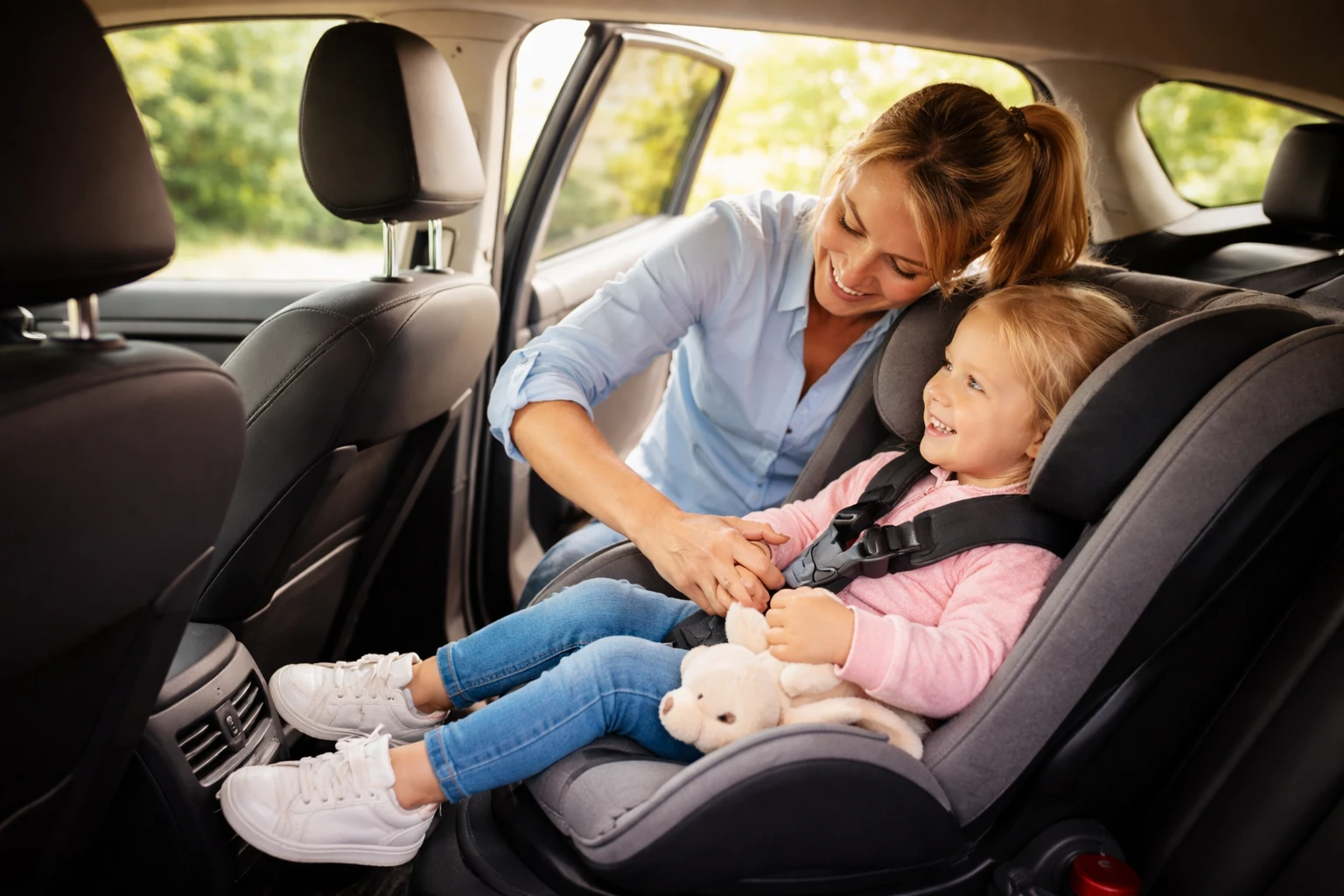

You don’t need a long drive for things to go wrong. A quick trip to the store can turn stressful fast if you skip the basics. That’s why understanding what to check before every car trip with a child isn’t just helpful it’s essential.
I’ve learned this the hard way. One forgotten snack. One loose strap. One low tire. Suddenly, a simple drive becomes chaos. The good news? A few consistent checks can prevent most problems before they even start. Let’s break it down clearly, practically, and without fluff.
Why Pre-Trip Checks Are Non-Negotiable
Driving with a child changes everything. Your margin for error shrinks. Your responsibility grows. Children rely on you for everything in that moment comfort, safety, and readiness. And unlike adult passengers, they can’t adjust or adapt on their own.
Here’s what’s at stake:
- Improper car seat use increases injury risk
- Missed vehicle issues can lead to breakdowns
- Lack of preparation leads to distractions while driving
A simple routine solves this. Once you build it, it becomes second nature. That’s the real goal when mastering what to check before every car trip with a child consistency.
Car Seat Safety Check (Top Priority)
This is where you start. Every single time.
1. Installation Check
Your car seat should not move more than an inch side-to-side or front-to-back. Grab it at the base and test it. If it shifts too much, fix it before driving. No exceptions.
2. Harness Fit
This one is often rushed. Don’t rush it.
- Straps should be snug (you shouldn’t pinch excess webbing)
- Chest clip should sit at armpit level
- Straps should lie flat, not twisted
3. Seat Direction
- Rear-facing: for infants and toddlers as long as possible
- Forward-facing: only when appropriate for age and weight
4. Expiration and Condition
Yes, car seats expire. Materials degrade over time due to factors like heat, pressure, and gradual polymer degradation, which weakens structural integrity.
Check for:
- Cracks in plastic
- Frayed straps
- Missing parts
If anything looks off, don’t risk it.
Child Comfort and Readiness
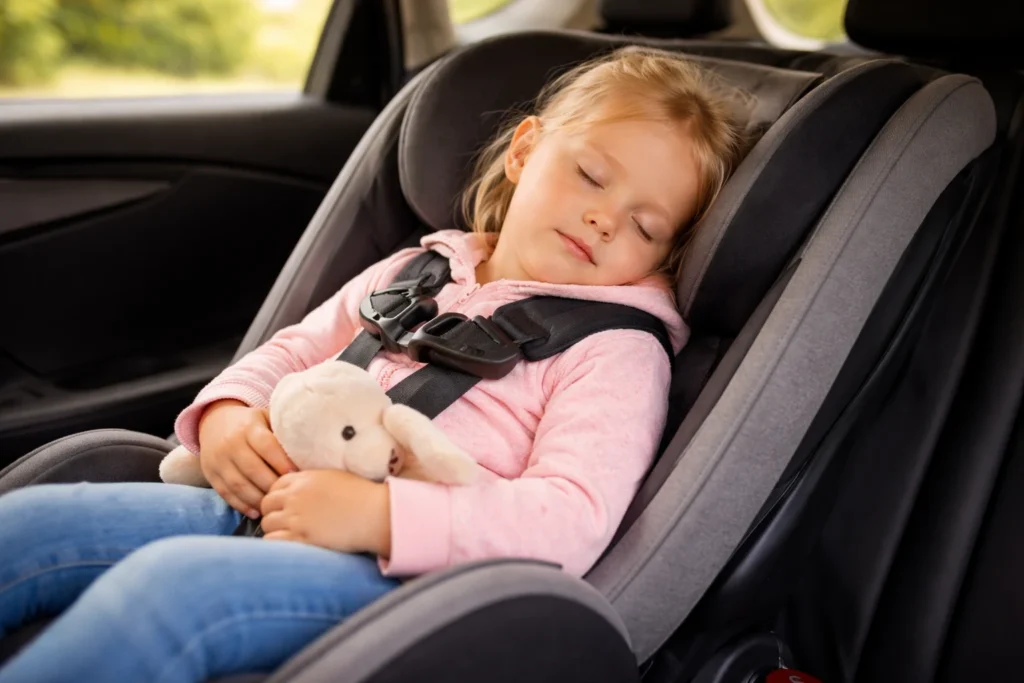
A safe child isn’t always a calm child. And a fussy child can easily distract a driver.
Before You Leave, Check:
- Clothing: Avoid bulky jackets they interfere with harness tightness
- Temperature: Dress for the car environment, not just outside
- Hunger: Feed before the trip when possible
- Bathroom needs: Quick stop now saves a meltdown later
Emotional Readiness Matters Too
Kids sense stress. If you’re rushed, they’ll feel it. Take 30 seconds. Breathe. Get them settled. It makes a difference.
Vehicle Condition Essentials
This is where many parents cut corners. Don’t. A quick walk-around and dashboard check can prevent serious issues.
Quick Vehicle Checklist
| Item | What to Check | Why It Matters |
| Tires | Proper inflation, no visible damage | Prevents blowouts and improves control |
| Fuel | At least ¼ tank minimum | Avoids getting stranded |
| Oil | Check level regularly | Protects engine health |
| Lights | Headlights, brake lights, signals | Ensures visibility and communication |
| Windshield | Clean and clear | Maintains visibility |
For additional official safety guidance, refer to the National Highway Traffic Safety Administration child passenger safety recommendations.
Emergency Kit Must-Haves
Think of this as your safety buffer. You don’t need a full survival kit. Just smart essentials.
Basic Kit
- First aid kit
- Flashlight
- Phone charger or power bank
Child-Specific Additions
- Extra clothes
- Diapers and wipes (if needed)
- Snacks and water
- Comfort item (toy, blanket)
Seasonal Extras
- Hot weather: sunshade, extra water
- Rainy weather: towels, umbrella
Preparation here reduces panic later. That’s the point.
In-Car Environment Check
Before you even start the engine, look inside.
1. Temperature
Cars heat up fast. Cool it down before placing your child inside.
2. Airflow
Make sure vents are open and air is circulating properly.
3. Child Locks
Check rear door locks and window controls. You want control not surprises.
Entertainment and Engagement
A bored child becomes a loud child. A loud child becomes a distracted driver’s problem.
Simple Fixes
- Bring 1–2 favorite toys
- Rotate items to keep things fresh
- Use books or soft toys for younger kids
Screens? Use Strategically
Tablets can help. But don’t rely on them entirely. Balance is key.
Plan Breaks
For longer trips:
- Stop every 1–2 hours
- Let your child stretch and reset
This reduces restlessness and keeps everyone sane.
Route and Travel Planning
Don’t just “wing it.” Even for familiar routes.
Check Before You Go
- Traffic conditions
- Weather updates
- Road closures
Know Your Stops
Identify:
- Gas stations
- Rest areas
- Emergency services
Share Your Plan
Tell someone where you’re going and your expected arrival time. It takes 10 seconds. It adds peace of mind.
Safety Rules for the Journey
Once you’re on the road, discipline matters.
Non-Negotiables
- Child stays buckled at all times
- No loose objects in the car
- No distractions while driving
Loose items can become dangerous in sudden stops. Secure everything.
Quick Pre-Trip Checklist
Here’s your fast, repeatable system. Save this mentally or screenshot it.
Before Every Trip
- Car seat secured and properly adjusted
- Child fed, comfortable, and ready
- Tires, fuel, and lights checked
- Emergency kit stocked
- Route reviewed
This is the core of what to check before every car trip with a child. Keep it simple. Keep it consistent.
Common Mistakes to Avoid
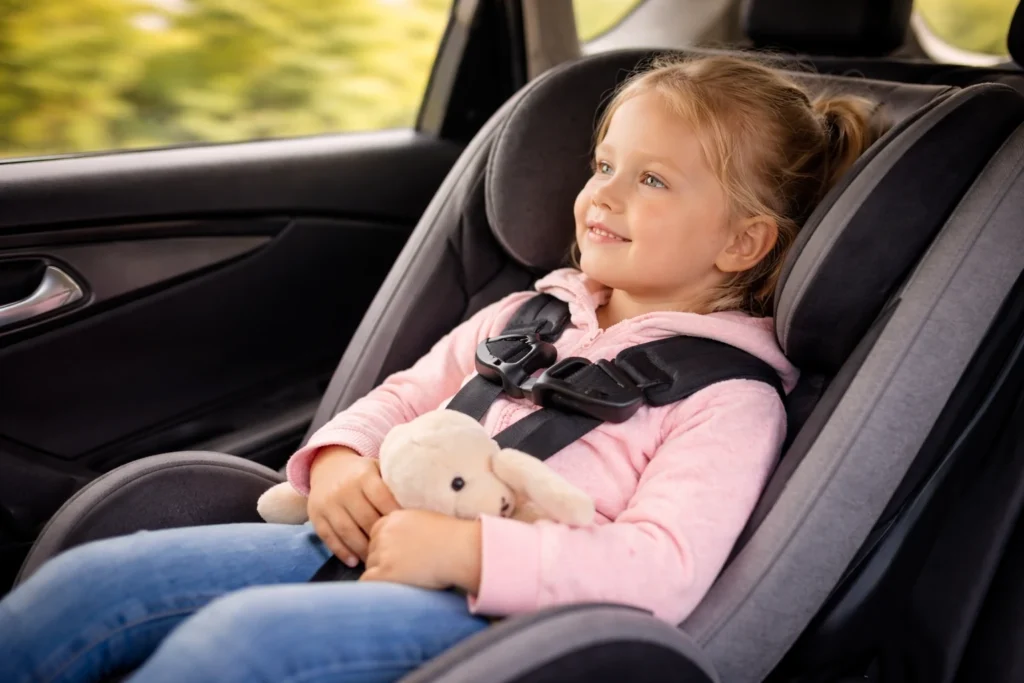
Let’s be honest. Most mistakes come from rushing.
Watch Out For:
- Skipping the harness check
- Assuming short trips are safe enough to relax rules
- Forgetting essentials like wipes or snacks
- Ignoring dashboard warnings
Small oversights add up. Avoid them.
Pro Tips from Experienced Parents
These aren’t theoretical. These are real-world habits.
1. Build a Routine
Do the same checks every time. No thinking required.
2. Keep a “Go Bag”
Always packed. Always ready.
Include:
- Snacks
- Extra clothes
- Basic supplies
3. Do a Final Pause
Before driving, take 5 seconds:
- Look at your child
- Check the harness
- Confirm everything feels right
That pause matters more than you think.
Why Consistency Wins Every Time
You don’t need perfection. You need repetition.
The more often you follow a checklist, the less effort it takes. It becomes automatic. That’s when safety becomes second nature.
And that’s really the goal behind understanding what to check before every car trip with a child—building habits that protect without adding stress.
Final Thoughts
Every trip counts. Even the short ones. Preparation isn’t about fear. It’s about control. It’s about confidence. And most importantly, it’s about keeping your child safe without overcomplicating your day. So next time you grab your keys, pause. Run through your checks. Trust your system.
Because knowing what to check before every car trip with a child isn’t just smart it’s one of the simplest ways to become a more prepared, confident parent on the road. And honestly? That peace of mind is worth everything.
FAQs
The car seat is the top priority make sure it’s properly installed and the harness is snug and correctly positioned.
It should be snug enough that you cannot pinch any slack in the straps at the child’s shoulders.
No, bulky clothing can prevent the harness from fitting properly and reduce safety in a crash.
You should do a quick check before every trip, even short ones, to ensure everything is safe and ready.
Keep a first aid kit, extra clothes, snacks, water, and a comfort item like a toy or blanket.
Yes, but choose non-choking hazard foods and avoid feeding while the vehicle is moving if possible.
Bring familiar toys, plan breaks, and ensure your child is fed and comfortable before leaving.
Absolutely most accidents happen close to home, so safety checks are just as important.
It should not move more than an inch at the base, and you can have it inspected by a certified technician.
Planning helps avoid delays, reduces stress, and ensures you know where to stop if needed.

