
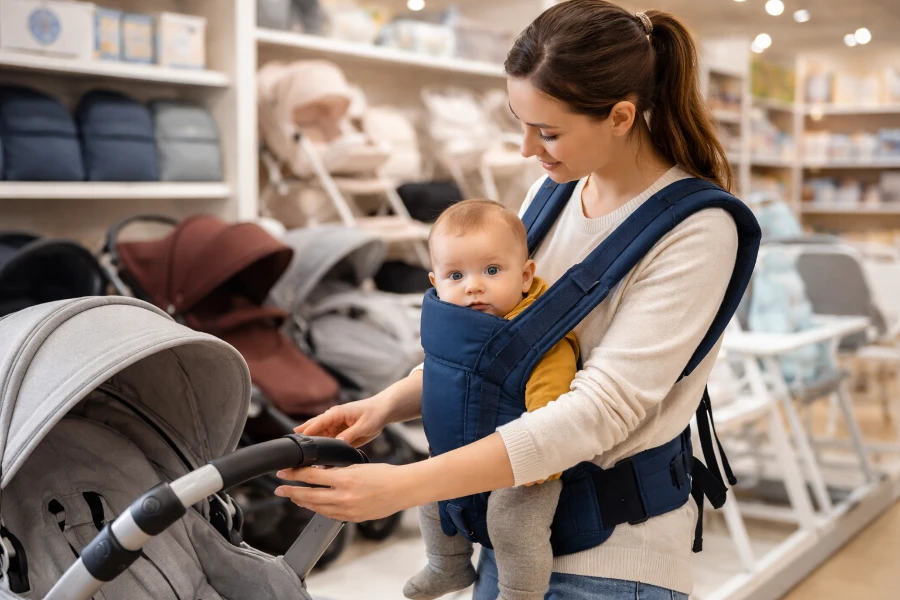

Choosing the right baby gear isn’t just about aesthetics or trends—it’s about comfort, safety, and long-term well-being. If you’re wondering how to choose ergonomic baby gear for daily use, you’re already asking the right question. Because the gear you use every single day? It shapes your baby’s development and your physical health more than you might expect.
Let’s break this down in a way that actually helps you make better decisions—quickly, confidently, and without second-guessing.
What Does Ergonomic Baby Gear Really Mean?
“Ergonomic” gets thrown around a lot. But what does it actually mean when it comes to baby gear?
At its core, ergonomic baby gear is designed to support natural body positioning—for both your baby and you. It’s not just about softness or padding. It’s about alignment.
This idea is rooted in principles of Ergonomics, which focuses on designing tools and environments that fit the human body and reduce strain.
Here’s what that looks like in real life:
- Your baby’s spine maintains its natural curve
- Their hips are properly supported (not dangling)
- Weight is evenly distributed when you carry or push
- You’re not straining your back, shoulders, or wrists
Comfort is part of it. But ergonomics goes deeper. It’s about preventing problems before they start.
Why Ergonomics Matters for Babies
Supporting Healthy Development
Babies aren’t just small adults. Their bodies are still forming—rapidly.
The right gear helps support:
- Spinal development: A natural “C” curve in early months
- Hip health: The ideal “M-position” (knees higher than hips)
- Head and neck stability: Especially critical for newborns
A poorly designed carrier or seat can push their body into unnatural positions. That’s not just uncomfortable—it can affect development over time.
Preventing Common Issues
Here’s where things get serious.
Non-ergonomic gear can contribute to:
- Hip dysplasia
- Flat head syndrome
- Poor posture habits later in life
According to the Centers for Disease Control and Prevention, proper positioning and support during infancy are essential to reducing risks tied to musculoskeletal development.
This is exactly why learning how to choose ergonomic baby gear for daily use is more than just a shopping decision—it’s a health decision.
Why Ergonomics Matters for Parents
Let’s talk about you for a second.
Because if you’re uncomfortable, everything gets harder.
Reducing Physical Strain
Carrying a baby. Lifting a stroller. Feeding multiple times a day.
It adds up.
Poorly designed gear can lead to:
- Lower back pain
- Shoulder tension
- Wrist fatigue (especially during feeding)
I’ve seen parents blame themselves for aches that are actually caused by bad gear. Fix the gear, and the pain often fades.
Improving Daily Convenience
Good ergonomic design doesn’t just feel better—it works better.
You move more naturally. You multitask more easily and you feel less exhausted at the end of the day.
And that matters.
Essential Types of Ergonomic Baby Gear
Not all gear is created equal. Some items matter more than others when it comes to ergonomics.
Ergonomic Baby Carriers
This is a big one. You’ll use it constantly.
Look for:
- Wide, supportive seat base
- Adjustable straps and panels
- Strong lumbar support
Types to consider:
- Wraps (great for newborns)
- Slings (quick and lightweight)
- Structured carriers (best for long-term use)
Ergonomic Strollers
You’re not just pushing a stroller—you’re steering, lifting, folding, and navigating daily life with it.
Key features:
- Adjustable handlebar height
- Smooth suspension system
- Proper seat recline for baby support
Ergonomic Baby Chairs and High Chairs
Feeding time is daily. Multiple times.
Make it count.
Look for:
- Firm back support
- Adjustable height and depth
- A footrest (this is often overlooked!)
Ergonomic Feeding and Nursing Products
Small tools. Big impact.
- Nursing pillows that lift baby to your level
- Bottles designed for easy grip and natural feeding angles
Ergonomic Sleep Solutions
Sleep matters—for everyone.
Focus on:
- Firm, supportive mattresses
- Safe sleep positioning
- Minimal accessories to reduce risk
Key Features to Look for in Ergonomic Baby Gear
When figuring out how to choose ergonomic baby gear for daily use, these features should guide your decision every time.
Quick Comparison Table
| Feature | Why It Matters | What to Look For |
| Adjustability | Grows with your baby | Multiple settings |
| Weight Distribution | Reduces strain | Wide straps, balanced design |
| Material | Comfort + safety | Breathable, non-toxic fabrics |
| Ease of Use | Daily practicality | Quick setup, simple cleaning |
| Safety Standards | Peace of mind | Certified products |
How to Choose the Right Gear for Your Lifestyle
Here’s the truth: the “best” gear isn’t universal. It depends on how you live.
Consider Your Daily Routine
Ask yourself:
- Are you mostly at home?
- Constantly on the go?
- Using public transport?
Urban parents might prioritize compact strollers. Suburban families might go for durability and storage.
Baby’s Age and Growth Stage
Newborn needs are completely different from toddler needs.
- Newborns need full support
- Infants need flexibility
- Toddlers need durability and space
Choose gear that adapts—or be ready to upgrade.
Parent Body Type and Comfort
This is where many people get it wrong.
If the gear doesn’t fit you, it won’t work.
- Adjustable straps are essential
- Test for your height and build
- Consider sharing between caregivers
Comfort should be mutual.
Common Mistakes to Avoid
Even smart parents make these. Avoid them, and you’ll save time, money, and frustration.
- Choosing style over function
- Ignoring adjustability
- Buying without testing
- Overlooking safety certifications
- Assuming expensive means better
Simple rule: if it doesn’t feel right immediately, it won’t improve later.
Budget vs. Quality – What Should You Prioritize?
Let’s be real. Baby gear adds up fast.
But not all items deserve the same budget.
Where to Invest More
- Baby carriers
- Strollers
- High chairs
These are used daily. The cost per use is low.
Where You Can Save
- Short-term items
- Accessories
- Non-essential add-ons
Think Cost-Per-Use
A $200 carrier used daily for two years? Worth it.
A $50 item used twice? Not so much.
Quick Checklist Before You Buy
Use this. Every time.
- Does it support natural posture?
- Is it adjustable as your baby grows?
- Is it comfortable for both of you?
- Is it easy to use daily?
- Does it meet safety standards?
If you answer “no” to even one—pause.
Expert Tips for Testing Ergonomic Baby Gear
Don’t just read reviews. Test it.
Here’s how:
- Try it in-store if possible
- Place your baby in it and observe positioning
- Walk around for a few minutes
- Check for pressure points or discomfort
You’ll know quickly if something feels off.
Final Thoughts: Building an Ergonomic Everyday Setup
You don’t need everything at once.
Start with the essentials. Build gradually. Focus on what you’ll use daily.
Because once you truly understand how to choose ergonomic baby gear for daily use, everything changes. You stop guessing. You stop wasting money and you start making confident decisions.
And the result?
A more comfortable baby. A less stressed parent. A smoother daily routine.
That’s the goal.
And it’s completely achievable—with the right choices.
FAQs
Ergonomic baby gear is designed to support natural body positioning for both the baby and caregiver, reducing strain and promoting healthy development.
It helps support proper spine, hip, and neck development while reducing the risk of issues like hip dysplasia and poor posture.
Look for a wide seat that supports the baby’s thighs, adjustable straps, and proper back and lumbar support for you.
Yes, well-designed gear distributes weight evenly, which helps reduce strain on your back, shoulders, and arms.
Not necessarily—some mid-range products offer excellent ergonomic features, so focus on design and adjustability rather than price alone.
You can start from the newborn stage, as long as the gear provides proper head, neck, and hip support.
It’s when the baby’s knees are higher than their hips, forming an “M” shape, which supports healthy hip development.
Yes, especially for daily use, as they reduce pushing strain and provide better support for your baby’s posture.
Replace or upgrade gear as your baby grows or if the item no longer provides proper support or comfort.
Yes, and it’s recommended—try it in-store, check your baby’s positioning, and ensure it feels comfortable during movement.

