

This post contains affiliate links. As an Amazon Associate, 360 Car Seat earns from qualifying purchases, at no extra cost to you.
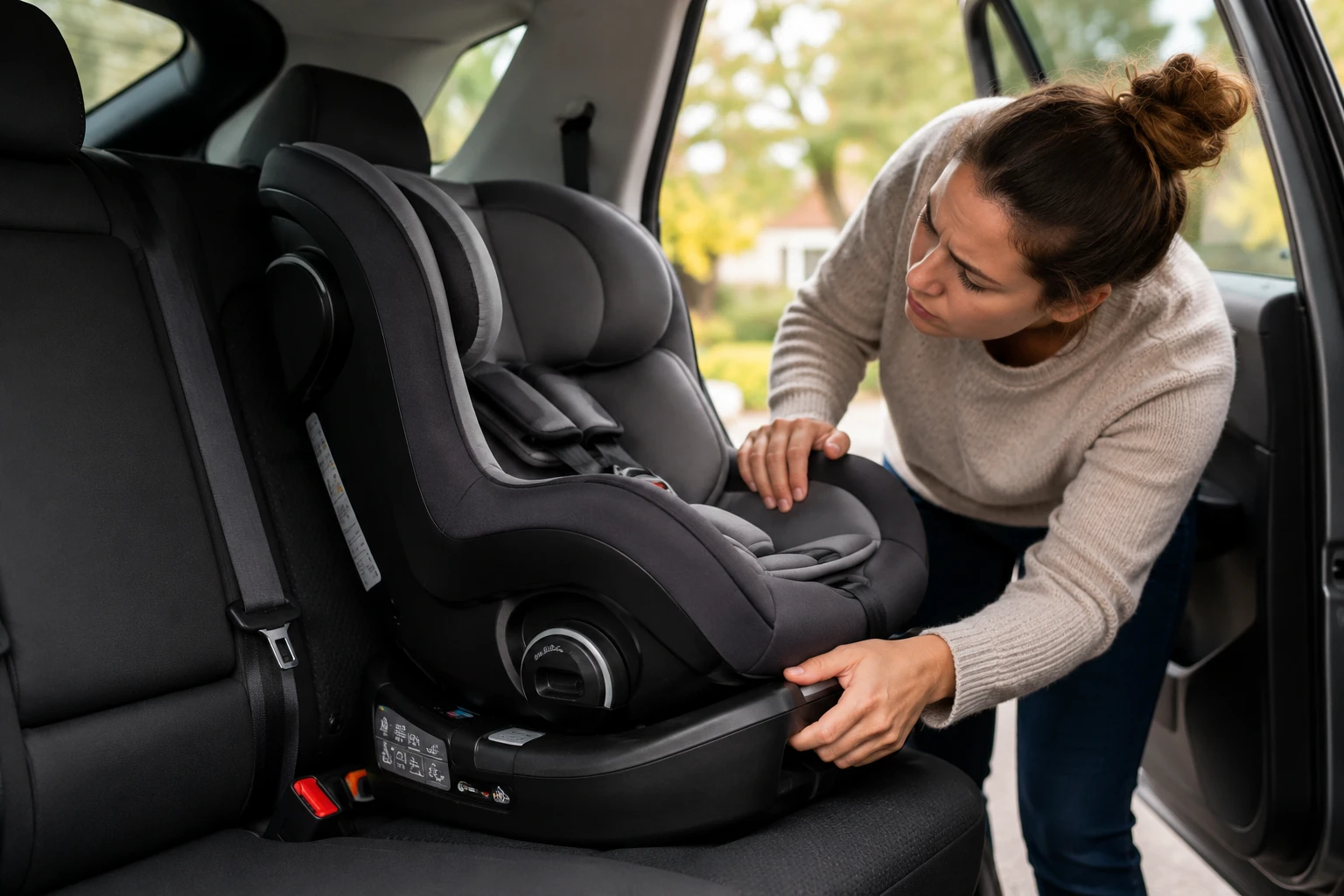
The Evenflo Revolve 360 has made life easier for countless parents. Its rotating design helps reduce awkward lifting, makes loading children simpler, and adds convenience during everyday travel. However, when an evenflo revolve 360 stuck in position issue occurs, that convenience can quickly disappear. Fortunately, many rotation problems have straightforward solutions. Sometimes the cause is as simple as debris in the track. Other times, installation issues or safety locks may be preventing the seat from turning properly. In this guide, we’ll explore the most common causes, practical fixes, and important maintenance tips to keep your car seat operating smoothly.
What Does “Evenflo Revolve 360 Stuck in Position” Mean?
Before attempting repairs, it’s important to understand what “stuck” actually means. Not every rotation issue indicates a defect. In many cases, the seat is functioning exactly as designed and preventing movement because a safety condition has not been met.
Understanding the Rotation System
The Evenflo Revolve 360 uses a rotating base that allows the seat to turn toward the vehicle door. This feature simplifies loading and unloading while helping reduce strain on parents and caregivers. The system relies on multiple locking points and safety mechanisms. These components work together to ensure the seat remains secure while the vehicle is moving. As a result, the seat only rotates when specific conditions are satisfied. The rotating mechanism depends on precise alignment between moving components. In many mechanical systems, even small alignment issues can affect performance. Engineers often study concepts such as tribology, the science of friction, wear, and lubrication, to better understand how moving parts interact over time. Because of these safety-focused design features, a minor issue can sometimes prevent the seat from rotating until the problem is corrected.
Common Signs the Seat Is Stuck
An evenflo revolve 360 stuck in position problem can present itself in several ways. Common symptoms include:
- The seat refuses to rotate at all
- Rotation begins but stops midway
- The release handle feels unusually stiff
- The seat locks unexpectedly
- Movement feels rough or inconsistent
- The seat remains fixed in either rear-facing or forward-facing mode
Many parents begin searching online for solutions after experiencing an Evenflo Revolve 360 Won’t Rotate situation. In most cases, the issue is caused by installation tension, debris in the rotation path, a locked safety position, or improper seat alignment rather than a major mechanical failure. Importantly, avoid forcing the seat to rotate. Applying excessive force may damage components and create a more expensive problem.
Why Your Evenflo Revolve 360 May Be Stuck
Several factors can contribute to an evenflo revolve 360 stuck in position issue. Understanding these causes can save time and help you identify the correct solution more quickly.
Improper Installation
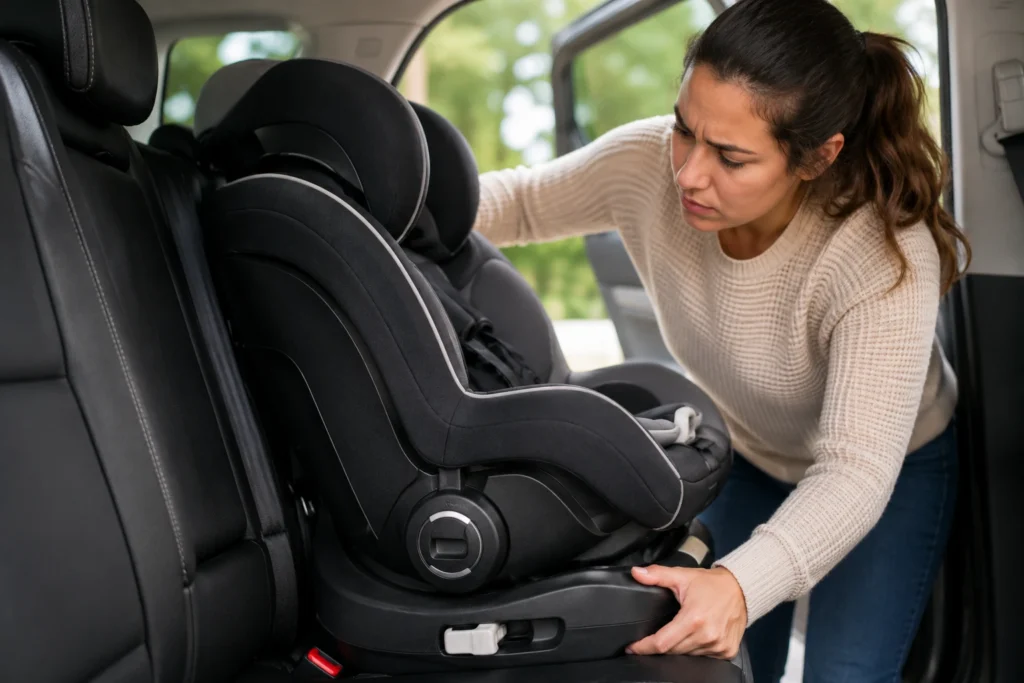
Installation errors remain one of the most common causes of rotation problems. A seat can appear secure while still placing excessive pressure on the rotating mechanism. Consequently, the seat may become difficult to turn even though nothing appears visibly wrong. Common installation mistakes include:
- Base installed at an incorrect angle
- Over-tightened installation straps
- Misalignment between the seat and base
- Uneven placement on the vehicle seat
If the problem appeared shortly after installation, this area deserves immediate attention.
Debris Blocking the Rotation Track
Parents know how quickly crumbs accumulate. Snacks, small toys, dirt, and miscellaneous debris often find their way into places that seem impossible to reach. Over time, these materials can interfere with the rotating system. Items commonly found near the base include:
- Crackers
- Cereal pieces
- Dust buildup
- Fabric fibers
- Toy fragments
- Paper scraps
Although these items may seem insignificant, they can create enough obstruction to affect rotation. Therefore, a thorough inspection should always be part of the troubleshooting process.
Weight or Pressure on the Seat
Additional pressure can sometimes prevent smooth rotation. For example, a parent may unintentionally lean on the seat while attempting to rotate it. Similarly, heavy diaper bags or other objects resting on the seat may create resistance. Potential sources of excess pressure include:
- Heavy bags
- Blankets
- Accessories
- Uneven force while loading a child
- Objects wedged between the seat and vehicle interior
Before troubleshooting further, remove all unnecessary items and test the seat again.
Locked Safety Position
Safety mechanisms can sometimes appear to be problems when they’re actually functioning properly. The Revolve 360 includes built-in locks designed to prevent rotation under certain circumstances. If the seat is not positioned correctly or specific requirements are not met, rotation may be restricted. This is intentional. Rather than allowing potentially unsafe movement, the system locks the seat into place until conditions are corrected. As a result, reviewing the owner’s manual and verifying proper positioning can often resolve the issue quickly.
Wear and Tear Over Time
Mechanical systems naturally experience wear. Although the Evenflo Revolve 360 is designed for long-term durability, repeated use can gradually affect moving parts. Signs of wear may include:
- Increased stiffness
- Resistance during rotation
- Inconsistent locking
- Unusual noises
- Reduced smoothness
Repeated motion creates stress on components over time. This concept is somewhat similar to material fatigue, where repeated loading cycles gradually influence the performance of mechanical structures. While normal wear does not automatically mean the seat is unsafe, it can contribute to rotation difficulties.
How to Fix an Evenflo Revolve 360 That Is Stuck
Once you’ve identified possible causes, it’s time to begin troubleshooting. Work through these steps methodically. Often, the solution is simpler than expected.
Step 1: Remove the Child Safely
Always begin by removing your child from the seat. Troubleshooting should never be performed while the seat is occupied. Park the vehicle safely, remove your child, and ensure you have enough space to inspect the seat thoroughly. Safety should always remain the top priority.
Step 2: Inspect the Rotation Path
Next, perform a detailed visual inspection. Use a flashlight if necessary and examine the entire rotating area carefully. Look for:
- Crumbs
- Dirt
- Small toys
- Plastic fragments
- Fabric obstructions
- Foreign objects
Many parents discover the source of the problem during this step alone. If debris is present, remove it gently and retest the seat.
Step 3: Verify Proper Recline Position
The recline angle can significantly affect rotation performance. If the seat is positioned incorrectly, built-in safety features may restrict movement. Check:
- Recline indicators
- Position markers
- Installation guides
- Manufacturer recommendations
Even minor adjustments can sometimes restore normal operation.
Step 4: Press the Rotation Handle Correctly
Technique matters. Many users attempt to force rotation while only partially engaging the release handle. Instead:
- Press the handle fully.
- Maintain steady pressure.
- Rotate slowly and smoothly.
- Avoid jerking or twisting motions.
Controlled movement typically produces better results than forceful attempts.
Step 5: Reduce Pressure on the Seat
Before testing again, remove any unnecessary weight. This includes:
- Diaper bags
- Blankets
- Toys
- Accessories
Then attempt rotation while applying minimal pressure to the seat itself. Surprisingly, this simple step often resolves minor rotation issues.
Step 6: Check Installation Tightness
A secure installation is essential. However, overly tight installation can create its own problems. Signs of excessive tension include:
- Immediate resistance after installation
- Uneven movement
- Binding sensations
- Difficulty rotating despite a clean track
If necessary, reinstall the seat according to the manufacturer’s instructions and test rotation again.
Step 7: Clean the Rotation Mechanism
Finally, perform routine cleaning. Recommended tools include:
- Soft brush
- Vacuum attachment
- Dry microfiber cloth
Avoid:
- Harsh chemicals
- Excessive moisture
- Abrasive tools
- Unapproved lubricants
Regular cleaning helps maintain smooth operation and may prevent future instances of an evenflo revolve 360 stuck in position problem.
How to Reset the Evenflo Revolve 360
Sometimes a simple reset can restore normal operation. However, it’s important to understand when a reset is appropriate and when a more serious issue may be present.
Situations Where a Reset May Help
A reset may be worth trying if:
- Rotation suddenly becomes difficult
- The seat appears temporarily locked
- No visible obstruction exists
- The seat was recently reinstalled
- The base was removed and reattached
In these situations, the issue may simply be a temporary alignment problem rather than a mechanical defect.
Basic Reset Procedure
Although procedures vary slightly between models, a general reset process involves:
- Remove the seat from the base if permitted by the manufacturer.
- Inspect all connection points carefully.
- Check for visible debris or damage.
- Reattach the seat securely.
- Confirm proper locking.
- Test rotation while the seat is empty.
Additionally, ensure the vehicle is parked on a level surface during testing. A reset can often correct minor alignment issues that developed during installation or daily use.
When a Reset Will Not Solve the Problem
Unfortunately, not every issue can be fixed with a reset. If you notice any of the following, further troubleshooting may not be advisable:
- Broken release handle
- Cracked plastic components
- Grinding noises
- Bent hardware
- Missing parts
- Significant resistance despite cleaning
In these situations, professional guidance is generally the safest course of action.
Common User Mistakes That Cause Rotation Problems
Many rotation issues stem from everyday habits rather than product defects. Fortunately, these mistakes are often easy to correct.

Rotating While the Seat Is Loaded
Parents are busy. When you’re rushing through a parking lot with groceries, a diaper bag, and a restless toddler, it’s tempting to rotate the seat while everything remains in place. However, additional weight increases pressure on the mechanism. Whenever possible, rotate the seat before placing your child inside.
Ignoring Recline Requirements
The recline position is more important than many users realize. If the seat is not in an approved position, safety locks may prevent rotation. Therefore, always verify that the recline indicator falls within the recommended range.
Forcing the Seat to Turn
This is one of the most common mistakes. If the seat resists movement, many people instinctively push harder. Unfortunately, excessive force can damage internal components. Instead, stop and investigate the cause. A few extra minutes of troubleshooting may prevent costly repairs.
Skipping Routine Cleaning
Car seats collect debris constantly. Without regular cleaning, dirt and crumbs can accumulate around moving components. Consequently, movement may become less smooth over time. A quick monthly inspection can help prevent many common issues.
Using Non-Approved Accessories
Third-party accessories sometimes interfere with the rotating mechanism. Examples include:
- Seat protectors
- Cushions
- Padding inserts
- Storage organizers
Although these products may seem harmless, they can alter seat positioning or restrict movement. Whenever possible, use only accessories approved by the manufacturer.
When You Should Contact Evenflo Customer Support
Sometimes the best solution is professional assistance. Knowing when to stop troubleshooting is just as important as knowing how to troubleshoot.
Warning Signs of a Mechanical Issue
Certain symptoms may indicate a more serious problem. Watch for:
- Broken release handles
- Cracked structural components
- Grinding sounds
- Loose parts
- Inconsistent locking
- Rotation that becomes progressively worse
If any of these signs appear, discontinue use until the issue has been evaluated.
Information to Gather Before Contacting Support
To speed up the support process, gather the following information beforehand:
| Information Needed | Why It Helps |
|---|---|
| Model number | Identifies the exact seat version |
| Date of purchase | Helps determine warranty eligibility |
| Photos of the issue | Assists with diagnosis |
| Video of malfunction | Shows the problem in real time |
| Vehicle information | Helps identify installation factors |
| Description of symptoms | Provides troubleshooting context |
The more information you provide, the easier it becomes for support representatives to assist you.
Preventing Future Rotation Problems
Prevention is usually easier than troubleshooting. A few simple habits can significantly reduce the chances of encountering another evenflo revolve 360 stuck in position issue.
Maintain a Regular Cleaning Schedule
Cleaning does not need to be complicated. Every few weeks:
- Vacuum around the base
- Remove visible debris
- Wipe accessible surfaces
- Inspect moving components
Small maintenance efforts can prevent larger problems later.
Use Proper Rotation Technique
Consistency matters. Always:
- Fully engage the release handle
- Rotate smoothly
- Avoid twisting motions
- Minimize downward pressure
Over time, proper technique can reduce unnecessary wear.
Perform Monthly Safety Checks
Set a reminder on your phone. Once each month, inspect:
- Installation tightness
- Locking function
- Recline position
- Release handle operation
- Visible wear
These quick inspections often identify developing issues before they become major problems.
Follow Weight and Usage Guidelines
Every car seat has specific limits. Exceeding weight recommendations may place additional stress on components. Therefore, review the owner’s manual periodically and ensure the seat is being used within its intended specifications.
Store and Handle the Seat Carefully
If the seat must be removed temporarily, store it properly. Avoid:
- Dropping the seat
- Stacking heavy items on top
- Exposing components to unnecessary impacts
Mechanical systems perform best when treated with care.
Troubleshooting Checklist
The following table provides a quick reference for common rotation issues.
| Problem | Possible Cause | Recommended Solution |
|---|---|---|
| Seat won’t rotate | Debris in track | Clean rotation area |
| Handle feels stiff | Safety lock engaged | Verify seat position |
| Rotation feels rough | Dirt buildup | Inspect and clean base |
| Seat stops halfway | Obstruction present | Remove blockage |
| Rotation became difficult after installation | Excessive tension | Reinstall correctly |
| Grinding noise | Mechanical wear | Contact support |
| Inconsistent locking | Alignment issue | Inspect attachment points |
| Rotation suddenly stopped | Temporary lockup | Perform reset procedure |
Conclusion
An evenflo revolve 360 stuck in position problem can be frustrating. However, many cases are caused by debris, installation issues, safety locks, or routine wear rather than serious defects. Fortunately, a careful inspection, proper cleaning, and correct operating techniques often resolve the issue. Meanwhile, regular maintenance can help prevent future problems and keep the seat functioning smoothly. Most importantly, if troubleshooting does not solve the problem or you notice signs of damage, contact Evenflo for professional assistance. A properly functioning car seat is essential for both convenience and safety.
FAQs
The most common causes include debris in the rotation track, improper installation, safety lock engagement, or excessive pressure on the seat.
Start by removing your child, checking for obstructions, verifying the recline position, and ensuring the seat is installed correctly.
Yes. Even small amounts of debris can interfere with the rotating mechanism and restrict movement over time.
No. Forcing the seat can damage internal components and may affect the seat’s safety and functionality.
In some cases, yes. Removing and properly reattaching the seat can correct minor alignment problems.
A quick inspection and cleaning every month can help prevent debris buildup and keep the mechanism operating smoothly.
Absolutely. Over-tightened straps, uneven positioning, or incorrect recline settings can create tension that affects rotation.
The handle may be affected by a safety lock, excess pressure on the seat, debris buildup, or an alignment issue.
Contact support if troubleshooting doesn’t solve the issue or if you notice broken parts, grinding noises, or inconsistent locking.
Yes. Over time, repeated use can cause components to wear, which may result in increased stiffness or reduced rotation smoothness.

