

This post contains affiliate links. As an Amazon Associate, 360 Car Seat earns from qualifying purchases, at no extra cost to you.
Traveling with a toddler changes everything. It’s no longer just about getting from point A to point B—it’s about doing it right. If you’re wondering how to travel safely with a toddler in a vehicle, you’re already thinking like a smart parent. Safety isn’t optional here. It’s the foundation of every trip, whether it’s a quick errand or a long road journey.
Let’s break it down step by step.
Understanding Toddler Travel Risks
Toddlers are unpredictable. One minute they’re calm, the next they’re twisting in their seat or dropping toys. That unpredictability is exactly why travel safety needs to be tight.
Most injuries come down to:
- Improper restraint
- Loose objects inside the car
- Driver distraction
Toddlers are also physically more vulnerable. Their neck muscles are still developing, and their bones aren’t fully hardened. That means even a minor incident can escalate quickly.
Learning how to travel safely with a toddler in a vehicle starts with understanding these risks—and taking control of them. Safety systems in vehicles often rely on structured evaluation methods, not unlike the Monte Carlo method, where multiple variables influence outcomes.
Choosing the Right Car Seat
Your car seat is your first line of defense. Choose wisely.
Car Seat Types at a Glance
| Type | Best For | Key Benefit |
| Rear-facing | Infants & young toddlers | Maximum neck and spine protection |
| Forward-facing | Older toddlers | Better fit as they grow |
| Convertible | Long-term use | Adjusts as your child grows |
Parents often ask about rear facing vs forward facing car seat safety guidelines. Here’s the bottom line: rear-facing is safer for longer. It distributes crash forces across the entire back, protecting the most fragile parts of your toddler’s body.
For official guidance, resources like the National Highway Traffic Safety Administration provide up-to-date recommendations on car seat use and installation.
You might also come across popular options like the walmart 360 car seat, which offer rotating features for easier access. Convenience is helpful—but safety ratings and proper fit should always come first.
Common mistakes:
- Switching to forward-facing too early
- Choosing based on price instead of safety
- Not checking weight and height limits
Proper Car Seat Installation
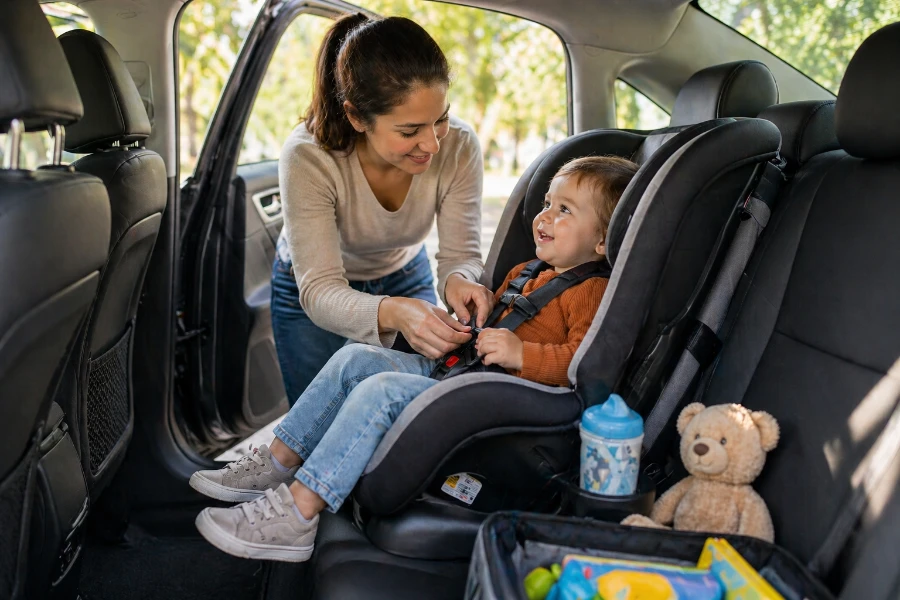
Even the best car seat won’t protect your child if it’s installed incorrectly.
You have two main installation options:
- Seat belt
- LATCH system
Both are safe when used properly.
Quick Installation Checklist
- Seat moves less than 1 inch side-to-side
- Proper angle for your child’s age
- Firm, flat placement on the vehicle seat
Take the time to double-check. Or better yet, have it inspected by a certified technician.
Securing Your Toddler Correctly
This is where small mistakes can create big risks.
Proper Fit Checklist
- Harness at or below shoulders (rear-facing)
- Chest clip at armpit level
- Straps snug—no slack to pinch
Consistency matters. Every trip. No shortcuts.
Vehicle Safety Checks Before Traveling
Before you even start the engine, do a quick scan.
Pre-Trip Checklist
- Tires properly inflated
- Brakes responsive
- No loose objects inside the vehicle
- Child locks activated
Even small items can become dangerous during sudden stops. Keep the space clean and controlled.
This also ties into practical tips for keeping car seats clean and odor free. Regular cleaning prevents buildup of crumbs, spills, and bacteria—keeping the environment safer and more comfortable for your toddler.
Planning Safe and Comfortable Trips
Planning reduces stress. And less stress means better focus behind the wheel.
Smart Planning Tips
- Travel during nap times
- Schedule breaks every 1–2 hours
- Avoid peak traffic
- Keep routes simple
A calm toddler makes for a safer drive. That’s part of mastering how to travel safely with a toddler in a vehicle.
Keeping Your Toddler Entertained Safely
Distractions aren’t always bad—unless they’re unsafe.
Safe Entertainment Ideas
- Soft books
- Plush toys
- Mounted tablet screens
- Music and audio stories
Avoid hard or heavy toys. If it can fly forward, it doesn’t belong in your toddler’s reach.
Managing Food, Drinks, and Snacks
Snacks can be your best friend—or a hidden risk.
Safe Snack Tips
- Choose soft, easy-to-chew foods
- Avoid choking hazards like nuts or whole grapes
- Use spill-proof containers
- Offer food during stops when possible
Planning ahead helps. That’s why knowing what parents should pack in a diaper bag for car trips is so valuable. Essentials like wipes, extra clothes, snacks, and water make everything smoother.
Handling Toddler Behavior During Travel
Tantrums happen. Stay calm.
When Things Get Loud
- Keep your eyes on the road
- Use calm verbal reassurance
- Avoid turning around while driving
- Pull over if needed
Safety comes first. Always.
Weather and Environmental Safety
Temperature inside a car can change fast.
Hot Weather
- Use sunshades
- Dress your toddler lightly
- Never leave your child unattended
Cold Weather
- Avoid bulky jackets in car seats
- Warm the car before placing your child inside
- Use blankets over the harness
Staying aware of conditions is essential when learning how to travel safely with a toddler in a vehicle.
Emergency Preparedness
Preparation builds confidence.
Emergency Kit Essentials
- First aid kit
- Extra clothing
- Snacks and water
- Flashlight
- Emergency contact list
Also think about your own comfort. Repeated lifting can strain your body, so understanding the best way to reduce back pain when lifting toddlers into cars—like bending your knees and keeping your back straight—can prevent long-term issues.
Safe Travel Tips for Different Situations
Every environment presents different challenges.
City Driving
- Frequent stops
- More distractions
- Higher unpredictability
Highway Driving
- Higher speeds
- Fewer stops
- Greater impact risk
Night Driving
- Reduced visibility
- Increased fatigue
Adjust your approach depending on where and when you’re driving.
Common Mistakes Parents Should Avoid
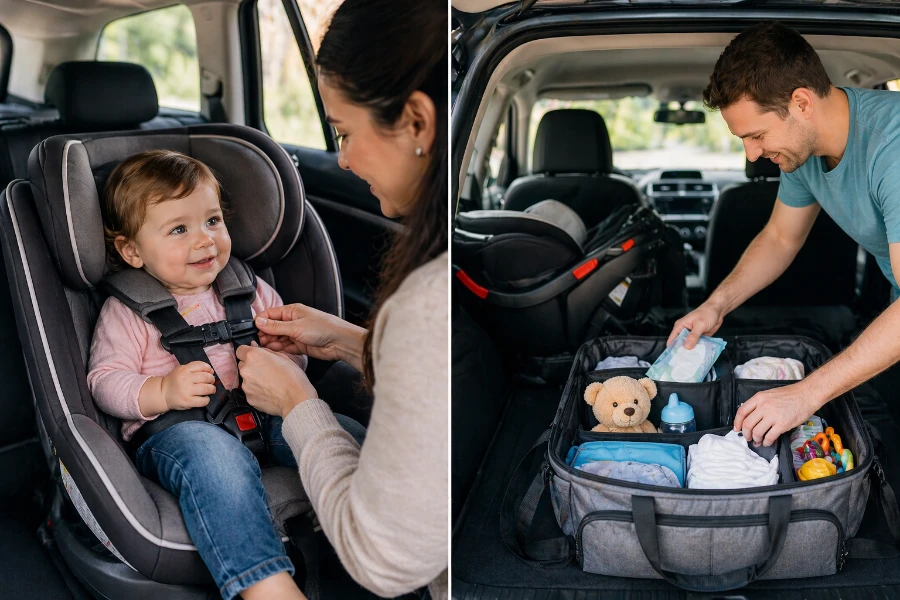
Avoid these, and you’ll dramatically improve safety:
- Incorrect car seat usage
- Letting toddlers unbuckle themselves
- Driving distracted
- Overloading the vehicle with loose items
- Ignoring routine safety checks
Simple fixes. Big difference.
Conclusion
Traveling with a toddler doesn’t have to feel overwhelming. It just requires intention.
When you truly understand how to travel safely with a toddler in a vehicle, your mindset shifts. You prepare better. You react faster and you drive smarter.
It’s not about perfection. It’s about consistency.
Build the habits. Follow the systems. Stay aware.
Because at the end of the day, safe travel isn’t complicated—it’s deliberate.
FAQs
The safest way is in a properly installed rear-facing car seat with a snug harness and correct chest clip position.
Switch only when your child exceeds the car seat’s height or weight limit for rear-facing use.
It should be snug enough that you can’t pinch any slack at the shoulder—this is called the pinch test.
Yes, but only soft, non-choking foods, and ideally during slower driving or stops.
Include snacks, water, wipes, extra clothes, toys, and essentials based on what parents should pack in a diaper bag for car trips.
Plan to stop every 1–2 hours to let your toddler stretch, move, and reset.
Yes, if they meet safety standards and are installed correctly according to manufacturer guidelines.
Use safe toys, music, and a consistent routine while avoiding overstimulation or unsafe distractions.
Yes during travel, but transfer them to a flat surface once you reach your destination.
The most common mistake is improper installation or loose harness straps.

