

This post contains affiliate links. As an Amazon Associate, 360 Car Seat earns from qualifying purchases, at no extra cost to you.
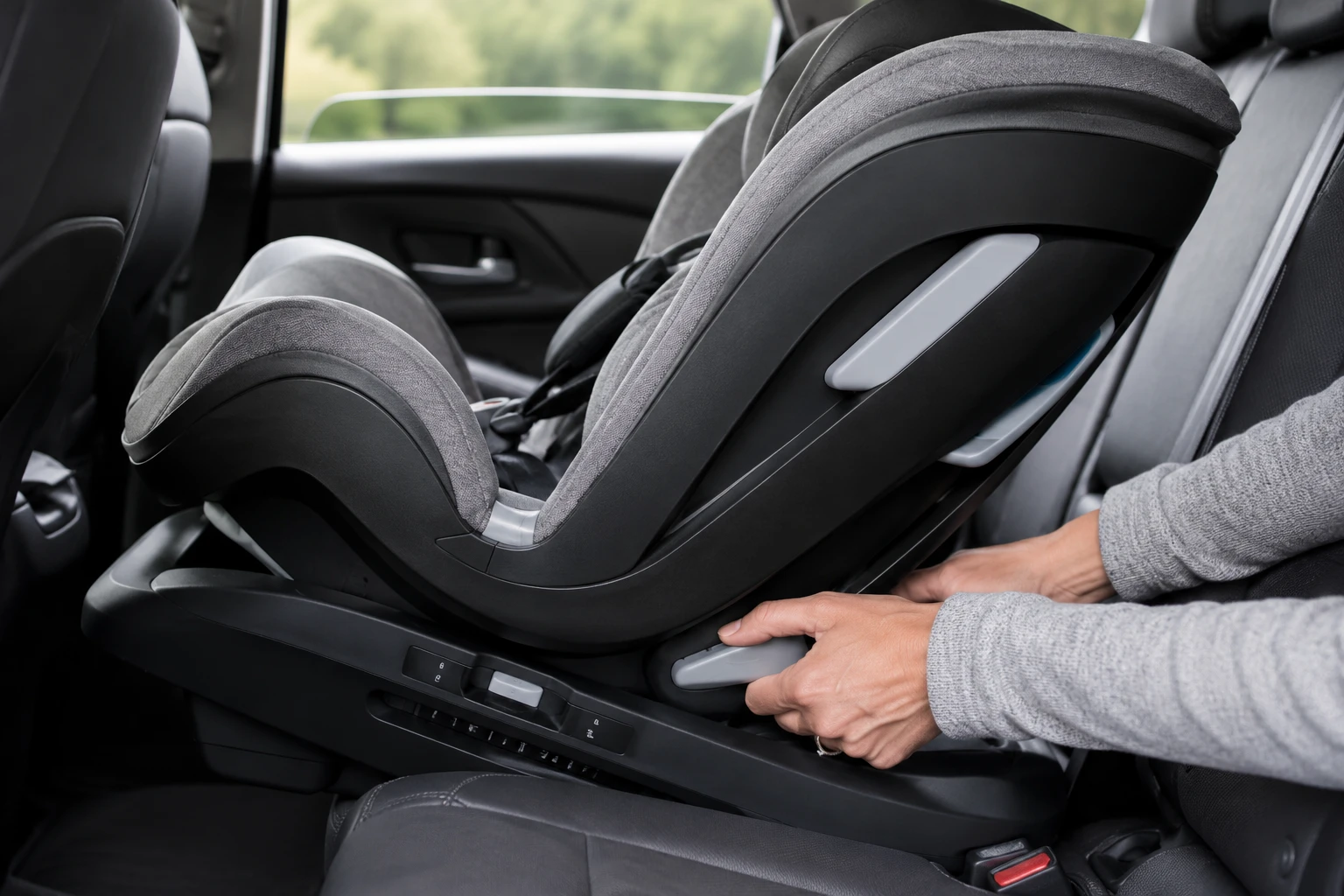
When your Evenflo Revolve 360 won’t recline, even a simple car ride can become frustrating. After all, the recline feature helps keep children comfortable while ensuring proper positioning during travel. Fortunately, many recline problems are caused by installation issues, locked mechanisms, or minor obstructions rather than serious defects. Moreover, if you’re looking for effective Evenflo Revolve 360 Troubleshooting, understanding how the recline system works is the first step. In this guide, we’ll explore the most common causes, practical fixes, and important safety considerations so you can get your car seat working properly again.
Understanding How the Evenflo Revolve 360 Recline System Works
Before attempting repairs or adjustments, it’s helpful to understand how the recline system functions. The Evenflo Revolve 360 combines rotation and recline features into one integrated design. Multiple locking mechanisms, safety controls, and adjustment points work together to keep the seat secure while providing flexibility for growing children.
What the Recline Function Does
The recline feature serves several important purposes. It helps:
- Improve child comfort during longer trips
- Support proper seating posture
- Assist with safe rear-facing positioning
- Reduce head slump while sleeping
- Allow age-appropriate seating adjustments
Because children grow quickly, the ability to adjust the seat angle can make a significant difference in both comfort and usability.
Components Involved in Reclining
Several parts work together whenever you change the recline position.
| Component | Function |
|---|---|
| Recline Handle | Releases the locking system |
| Recline Track | Guides movement between positions |
| Locking Mechanism | Secures the selected recline angle |
| Seat Base | Supports seat movement |
| Seat Shell | Changes position during adjustment |
If any of these components become blocked or misaligned, reclining can become difficult.
Common Reasons the Evenflo Revolve 360 Won’t Recline
If your Evenflo Revolve 360 won’t recline, there is usually a specific reason behind the issue. Therefore, identifying the root cause is the most effective way to solve the problem.
Seat Is Not Properly Installed
One of the most common causes is improper installation. Although the seat may appear secure, small installation errors can affect how the recline system operates. Common installation problems include:
- Uneven vehicle seat surfaces
- Incorrect base positioning
- Excessively tight installation straps
- Improper leveling
Because the recline mechanism relies on correct alignment, even minor installation issues can restrict movement.
Rotation Position Is Incorrect
The Revolve 360 is unique because the seat rotates as well as reclines. However, these two systems work together. If the seat is not fully locked into the correct position, the recline feature may not engage properly. For example:
- The seat may be partially rotated.
- The locking system may not be fully engaged.
- The seat may not be centered correctly.
As a result, the recline adjustment may appear stuck even though nothing is actually broken.
Recline Lock Is Engaged
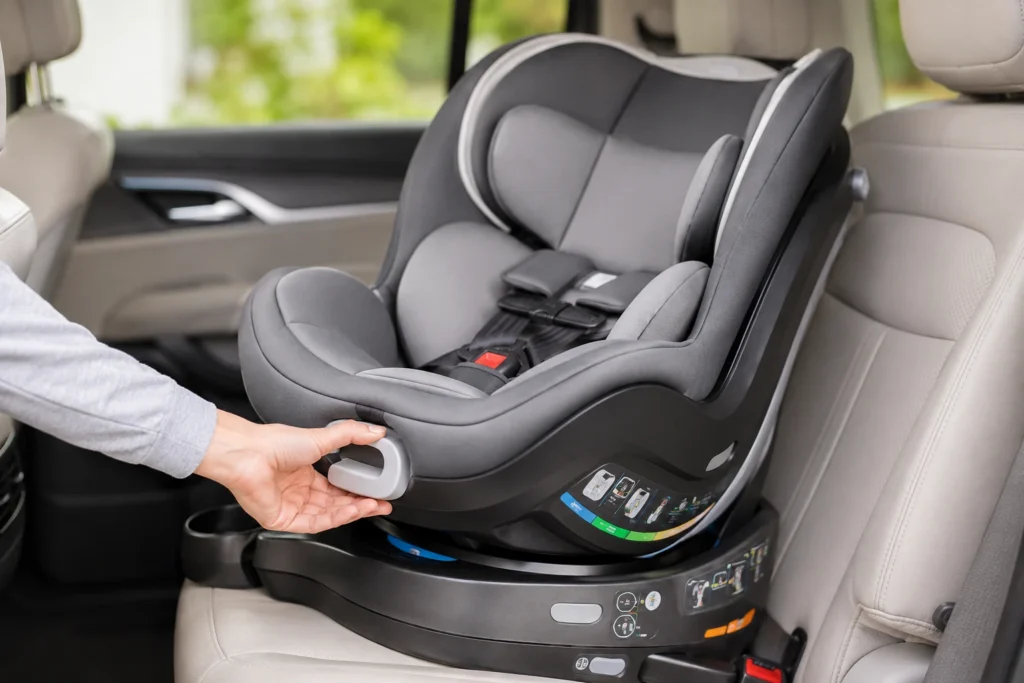
Safety comes first. Therefore, the Evenflo Revolve 360 includes locking mechanisms designed to prevent unintended movement during travel. Sometimes these locks remain engaged when users attempt adjustments. Typical signs include:
- Handle moves but seat doesn’t
- Audible clicking without movement
- Limited recline range
- Seat feels locked in place
Fortunately, repositioning the seat and re-engaging the lock often resolves the problem.
Debris or Obstructions
Children have a remarkable ability to get crumbs and small objects everywhere. Crackers. Cookies. Small toys. Snack pieces. Over time, debris can accumulate inside moving parts of the seat. Although a single crumb may seem harmless, a buildup of debris can interfere with the recline mechanism. Areas worth inspecting include:
- Recline tracks
- Base openings
- Seat joints
- Handle compartments
Routine cleaning helps prevent these issues from developing.
Harness or Strap Interference
The harness system can occasionally interfere with seat movement. This is especially true when:
- Harness straps become twisted
- Buckle straps get trapped
- Blankets bunch behind the seat
- Accessories become wedged in moving parts
Because the recline mechanism requires unobstructed movement, even small items can create resistance.
Mechanical Wear and Tear
Like any frequently used product, the Evenflo Revolve 360 experiences wear over time. Daily adjustments. Changing temperatures. Frequent travel. Years of use. All of these factors contribute to gradual component wear. Potential warning signs include:
- Increased resistance
- Uneven movement
- Rough operation
- Difficulty locking positions
Like many mechanical systems, repeated movement can eventually create friction and stress within components. This concept is somewhat similar to Tribology, the science of friction, lubrication, and wear in interacting surfaces.
How to Fix an Evenflo Revolve 360 That Won’t Recline
Now that we’ve covered common causes, let’s focus on practical solutions. If your Evenflo Revolve 360 won’t recline, follow these troubleshooting steps carefully.
Step 1: Verify the Seat’s Current Position
Start with the simplest solution. Make sure the seat is fully locked into its designated position. Check:
- Rear-facing mode
- Forward-facing mode
- Rotation lock engagement
- Alignment indicators
Sometimes the issue is simply a positioning problem. If you’re working through an Evenflo Revolve 360 Troubleshooting process, this should always be your first step because many recline-related problems are caused by incorrect positioning rather than defective parts.
Step 2: Inspect the Recline Handle
The recline handle is the primary control point. Operate it slowly while observing how it feels. Pay attention to:
- Smooth movement
- Resistance
- Sticking points
- Clicking sounds
If the handle feels unusually stiff, debris or mechanical interference may be present. Most importantly, never force the handle. Excessive pressure can potentially damage internal components.
Step 3: Examine the Base Installation
Next, review the installation. Look closely at:
- LATCH connections
- Seat belt routing
- Base alignment
- Level indicators
Even when a seat feels secure, installation errors can affect how moving components function. Therefore, if anything appears questionable, consider reinstalling the seat according to the manufacturer’s instructions.
Step 4: Remove Any Obstructions
Cleaning is often overlooked. However, it can be surprisingly effective. Carefully inspect:
- Recline tracks
- Base openings
- Seat joints
- Adjustment handle areas
Recommended cleaning tools include:
- Soft brush
- Vacuum attachment
- Dry microfiber cloth
Avoid using oils, sprays, or lubricants unless specifically approved by the manufacturer.
Step 5: Reset the Seat Position
Sometimes a simple reset resolves the issue. Try the following process:
- Return the seat to its most upright position.
- Rotate the seat fully.
- Lock the seat securely.
- Attempt the recline adjustment again.
- Verify proper locking engagement.
This procedure can help realign components and restore normal operation.
Step 6: Review the Owner’s Manual
Finally, revisit the owner’s manual. While it may not be the most exciting step, it often provides valuable information regarding:
- Approved recline positions
- Operating limitations
- Adjustment procedures
- Safety restrictions
Additionally, different versions of the Revolve 360 may include slightly different instructions. Spending a few minutes reviewing the manual can often save hours of unnecessary troubleshooting.
Evenflo Revolve 360 Recline Positions Explained
Understanding available recline positions can help prevent confusion. Sometimes parents believe the seat is malfunctioning when it is actually operating exactly as designed.
Rear-Facing Recline Settings
Rear-facing mode generally provides the greatest recline flexibility. These positions help:
- Support infants properly
- Improve comfort
- Promote proper head positioning
- Maintain recommended seating angles
Consequently, proper recline settings are especially important during the earliest stages of use.
Forward-Facing Recline Settings
Forward-facing positions often offer fewer recline options. This is intentional. As children grow, safety priorities change. Forward-facing recline settings typically focus on:
- Stability
- Visibility
- Proper harness positioning
- Crash protection
Because of these design priorities, the range of adjustment may be more limited compared to rear-facing configurations.
Why Some Recline Positions May Be Restricted
If your Evenflo Revolve 360 won’t recline, the issue may not actually be a malfunction. In some situations, the seat is intentionally designed to limit certain recline positions. These restrictions exist to maintain safety and ensure proper child positioning.
Vehicle Compatibility
Not every vehicle seat is shaped the same way. Some have:
- Deep seat contours
- Aggressive bolsters
- Fixed headrests
- Unique seat angles
As a result, the car seat may have less room to move through its full range of recline positions. If the seat appears difficult to adjust, compare the installation against the manufacturer’s vehicle compatibility recommendations.
Child Size and Weight Considerations
The Revolve 360 is designed to accommodate children through multiple growth stages. However, certain recline positions may only be appropriate for specific weight and height ranges. For example:
| Seating Mode | Recline Availability |
|---|---|
| Rear-Facing | Greater recline flexibility |
| Forward-Facing | More limited recline options |
| Booster Mode | Minimal recline adjustments |
Therefore, always verify that the selected recline position is approved for your child’s current size.
Built-In Safety Features
Modern car seats include numerous safeguards. These features help:
- Prevent improper positioning
- Reduce movement during travel
- Maintain crash protection standards
Consequently, some recline positions may become unavailable depending on how the seat is configured.
Signs Your Recline Mechanism May Need Professional Attention
Most recline problems can be resolved through basic troubleshooting. However, some situations require professional assistance.
Excessive Resistance
A slight amount of resistance is normal. Significant resistance is not. If the handle requires unusual force or the seat barely moves despite proper operation, internal damage may be present.
Grinding or Clicking Sounds
Some clicking sounds occur naturally as locking mechanisms engage. However, unusual noises deserve attention. Watch for:
- Grinding
- Scraping
- Popping
- Loud clicking
These sounds can indicate damaged components or internal obstructions.
Seat Gets Stuck Between Positions
A properly functioning seat should move smoothly between approved recline positions. If the seat becomes trapped between settings or fails to lock securely, discontinue use until the issue is identified.
Visible Damage
Inspect the seat regularly. Look for:
- Cracked plastic
- Bent components
- Damaged handles
- Broken locking tabs
Visible damage should never be ignored. Even minor structural issues can affect performance.
Preventing Future Recline Problems
The best repair is the one you never need. Fortunately, several simple habits can help keep your recline mechanism functioning properly.
Keep the Mechanism Clean
Clean equipment tends to last longer. Make a habit of inspecting:
- Recline tracks
- Seat joints
- Base openings
- Adjustment handles
Remove crumbs and debris before they accumulate.
Small preventive efforts often prevent larger problems later.
Perform Regular Inspections
Regular inspections allow you to catch issues early. Check for:
- Loose parts
- Unusual noises
- Increased resistance
- Damage to moving components
This approach is similar to Predictive maintenance, a strategy used to monitor equipment condition and prevent unexpected failures A few minutes of inspection can save significant frustration.
Avoid Excessive Force
One of the most common mistakes is forcing a stuck mechanism. When the seat resists movement:
- Stop immediately
- Identify the cause
- Follow troubleshooting procedures
Applying excessive force may damage parts that were otherwise functioning properly.
Follow Installation Guidelines
Proper installation supports proper operation. Therefore:
- Verify level indicators
- Follow manual instructions
- Recheck installation periodically
- Confirm proper locking engagement
Even small installation errors can create unnecessary stress on moving components.
Store the Manual
Most people store the manual and forget about it. However, it remains one of the most valuable resources available. Keep it somewhere accessible so you can quickly reference:
- Recline instructions
- Safety requirements
- Troubleshooting procedures
- Maintenance recommendations
Safety Considerations When Troubleshooting
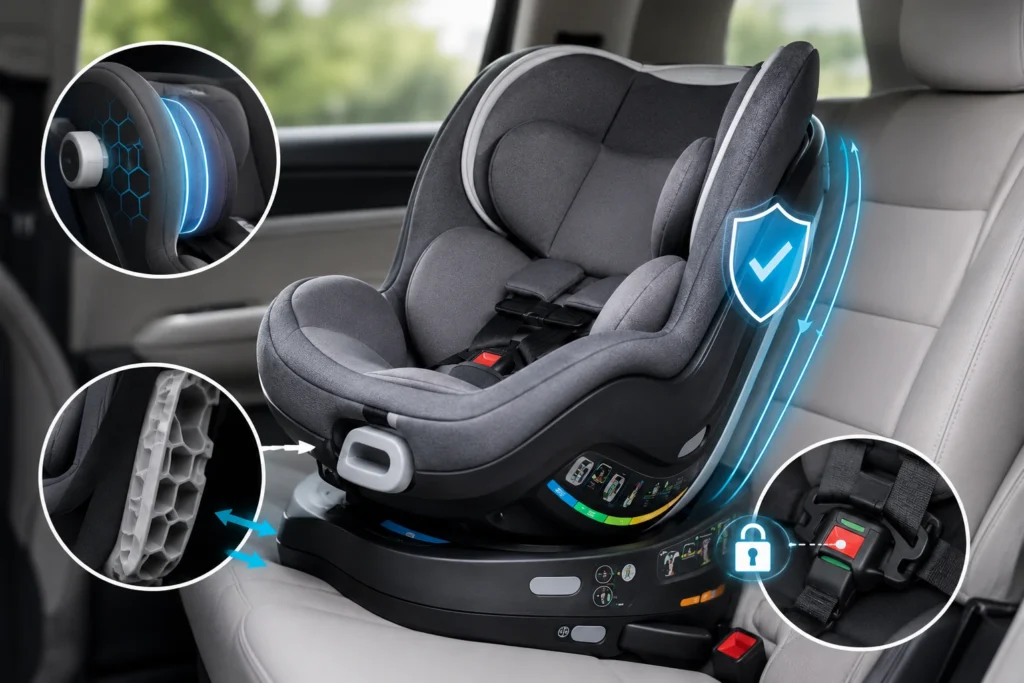
Safety should always come before convenience. Whenever an Evenflo Revolve 360 won’t recline, take time to ensure troubleshooting does not compromise protection.
Never Force the Recline Feature
If a mechanism feels stuck, forcing it can create additional problems. Instead:
- Inspect the seat
- Verify installation
- Remove obstructions
- Consult the manual
Patience is usually more effective than strength.
Verify Proper Locking After Adjustment
Every recline adjustment should end with a locking check. Listen for:
- Audible clicks
- Lock engagement
- Stable positioning
Then gently test the seat to confirm it remains secure.
Check Child Positioning
After adjusting recline settings, ensure your child remains positioned correctly. Review:
- Harness placement
- Shoulder strap height
- Buckle position
- Overall posture
A properly reclined seat still requires proper harness fit.
Confirm Safe Installation Before Every Ride
Conditions change. Seats shift. Children grow. Therefore, a quick inspection before travel is always worthwhile. A thirty-second check can provide valuable peace of mind.
When to Contact Evenflo Customer Support
Sometimes troubleshooting reaches its limits. If you’ve worked through all recommended steps and your Evenflo Revolve 360 won’t recline, contacting Evenflo may be the best option.
Information to Gather Before Calling
Prepare the following information:
- Model number
- Date of manufacture
- Purchase date
- Description of the issue
- Photos if available
Providing detailed information can help support representatives diagnose the problem more efficiently.
Possible Warranty Coverage
Depending on the age of the seat and nature of the issue, warranty coverage may be available. Potentially covered situations may include:
- Manufacturing defects
- Faulty components
- Mechanical failures
Keep purchase records and product documentation available when contacting customer support.
Conclusion
If your Evenflo Revolve 360 won’t recline, don’t assume the seat is defective. In many cases, the problem is caused by installation errors, incorrect positioning, debris, or minor mechanical interference. Fortunately, systematic troubleshooting can often resolve the issue quickly. Moreover, regular cleaning, proper installation, and routine inspections can help prevent future problems. However, if the recline mechanism continues to malfunction, contacting Evenflo customer support is the safest next step. Ultimately, a properly functioning car seat helps ensure both comfort and safety every time your child rides.
FAQs
The most common causes include improper installation, incorrect seat positioning, debris in the recline mechanism, or a locked adjustment system.
If the seat remains properly installed and securely locked, it may still be usable, but you should consult the owner’s manual and contact Evenflo if the issue persists.
Yes, certain recline adjustments may require the seat to be fully rotated and locked into the correct position before movement is allowed.
Yes, debris can accumulate in the recline tracks or moving components and interfere with normal operation.
No, unless Evenflo specifically recommends it. Unapproved lubricants can damage components or attract additional dirt.
This can happen if the locking mechanism is still engaged, the seat is improperly positioned, or an internal component is obstructed.
Absolutely. Even minor installation errors can place pressure on the mechanism and limit the seat’s ability to recline properly.
Stop using excessive force and inspect the seat for debris or visible damage. If the noise continues, contact Evenflo customer support.
It’s a good idea to check the seat during routine cleaning and whenever you notice resistance, unusual sounds, or adjustment difficulties.
You should contact support if troubleshooting does not resolve the issue, visible damage is present, or the seat fails to lock securely into position.

