
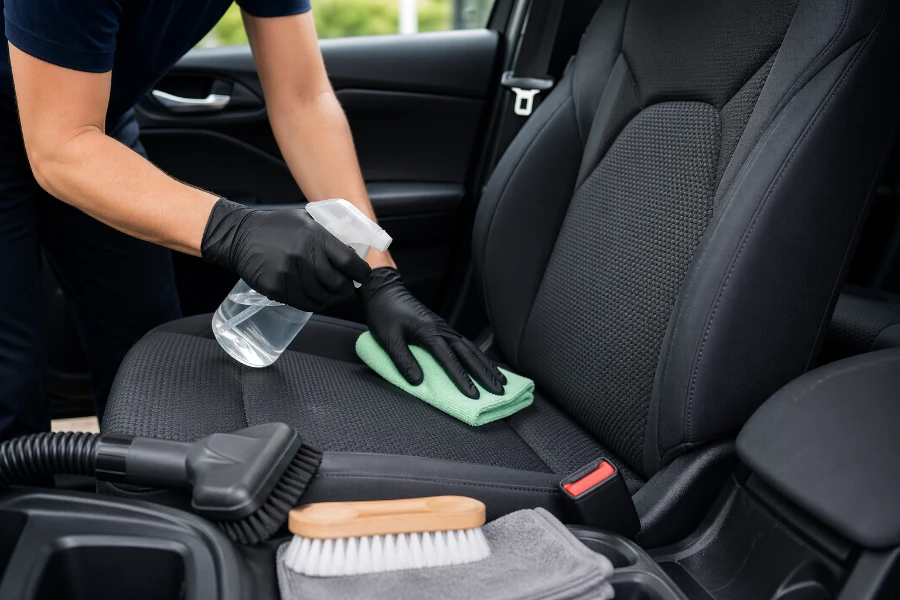

This post contains affiliate links. As an Amazon Associate, 360 Car Seat earns from qualifying purchases, at no extra cost to you.
Clean car seats change everything. They look better, smell better, and make every drive feel just a little more controlled. If you’ve been searching for tips for keeping car seats clean and odor free, you’re in the right place—because this isn’t about surface-level cleaning. It’s about building habits that actually work.
Let’s get into it.
Why Clean Car Seats Matter More Than You Think
You notice it the moment you step in. A fresh, neutral smell. No stains catching your eye. No lingering mystery odors.
Now flip that. Crumbs in the seams. A faint sour smell. A stain you keep ignoring.
Car seats take a beating. Kids, coffee, pets, sweat, groceries—everything ends up there. And here’s the truth: neglect builds up fast. What starts as a small spill can turn into a stubborn odor that refuses to leave.
Families feel this even more. If you’re using a walmart 360 car seat, for example, you already know how quickly snacks, spills, and everyday use can affect both cleanliness and smell. The good news? You don’t need hours every week. You need a system.
Know Your Car Seat Material First
Before you clean anything, you need to know what you’re working with. This step is often skipped—and it’s where mistakes begin.
Common Car Seat Materials
- Fabric Upholstery
- Absorbs spills quickly
- Prone to odors
- Requires deeper cleaning
- Leather Seats
- Easier to wipe clean
- Needs conditioning to avoid cracking
- Sensitive to harsh chemicals
- Synthetic (Vinyl/Faux Leather)
- Durable and water-resistant
- Low maintenance
- Can trap heat and odors
Quick Guide
| Material | Cleaning Method | Avoid |
| Fabric | Vacuum + fabric cleaner | Over-soaking |
| Leather | Gentle cleaner + conditioner | Alcohol-based products |
| Synthetic | Mild soap + wipe | Abrasive scrubbing |
Start here. Always.
Daily Habits That Prevent Dirt and Odor Build-Up
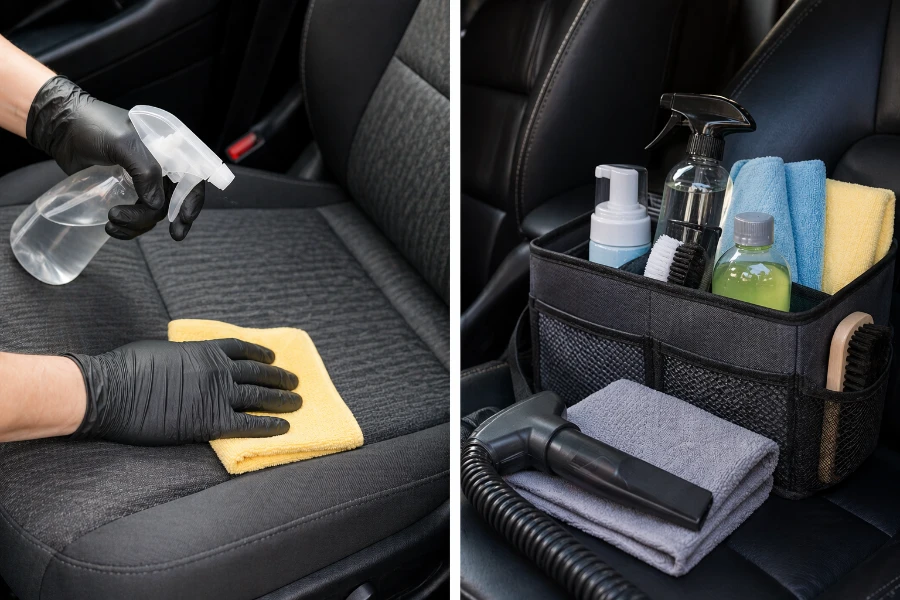
Here’s where the magic happens. Not during deep cleaning—but in the small, repeatable habits.
Simple Daily Wins
- Shake out loose debris when you exit the car
- Avoid eating messy food inside (or at least contain it!)
- Keep a small trash bag within reach
- Use seat covers if you have kids or pets
- Crack the windows slightly when parked (if safe)
If you’re also thinking about how to travel safely with a toddler in a vehicle, cleanliness plays a role there too. A clutter-free seat area reduces distractions and keeps essentials within reach.
It’s not about perfection. It’s about prevention.
Weekly Quick Cleaning Routine (10–15 Minutes)
You don’t need a full detail every week. You need consistency.
Your Weekly System
- Vacuum Thoroughly
- Focus on seams and corners
- Use a crevice tool
- Wipe Down Surfaces
- Use a microfiber cloth
- Match cleaner to material
- Spot Check
- Catch stains early
- Treat immediately
Keep This Kit Ready
- Portable vacuum
- Microfiber cloths
- Gentle cleaner
- Soft brush
Fifteen minutes. That’s it. Done right, it prevents 90% of long-term issues.
How to Remove Common Car Seat Stains
Stains happen. The key is speed and the right approach.
Quick Stain Fixes
- Food & Drinks
- Blot immediately
- Use mild detergent solution
- Mud & Dirt
- Let it dry first
- Vacuum, then clean
- Grease & Oil
- Apply baking soda to absorb
- Follow with cleaner
- Ink Stains
- Dab with alcohol (fabric only, carefully)
Mistakes to Avoid
- Scrubbing aggressively
- Using too much liquid
- Letting stains sit for days
The faster you act, the easier it gets. Every time.
Deep Cleaning Your Car Seats (Monthly or As Needed)
Sometimes, a quick clean won’t cut it. That’s where deep cleaning comes in.
Fabric Seats
- Use upholstery shampoo
- Work in sections
- Extract moisture if possible
Leather Seats
- Clean gently
- Apply conditioner after
- Buff for a natural finish
DIY vs. Professional
| Option | Best For |
| DIY Cleaning | Regular maintenance |
| Professional | Heavy stains, deep odors |
And one more thing—drying matters. Poor drying can lead to microbial growth and persistent smells, similar to how moisture affects surfaces in broader contexts like Hygroscopy.
Always allow proper airflow.
Eliminating Odors at the Source
Let’s be clear. Air fresheners don’t fix odors. They hide them.
If you want real results, find the source.
Common Odor Sources
- Spilled liquids
- Sweat and body oils
- Mold or mildew
- Pet accidents
What Actually Works
- Clean the affected area thoroughly
- Neutralize, not mask
- Repeat if necessary
It’s not glamorous work. But it works.
Natural Deodorizing Methods That Actually Work
If you prefer simple solutions, these deliver.
Top Natural Options
- Baking Soda
- Sprinkle, leave overnight, vacuum
- White Vinegar
- Dilute and spray lightly
- Activated Charcoal
- Absorbs odors silently
- Coffee Grounds
- Effective but leaves a scent
These methods rely on simple chemistry principles. For instance, baking soda works due to its ability to neutralize acids and bases, a process related to concepts explained in Acid–base reaction.
Quick Comparison
| Method | Strength | Drawback |
| Baking Soda | Strong neutralizer | Needs time |
| Vinegar | Fast-acting | Temporary smell |
| Charcoal | Long-term | Slower results |
Simple. Affordable. Effective.
Best Products for Keeping Car Seats Fresh
Sometimes you need a little extra help.
What to Look For
- Material-specific formulas
- Non-toxic ingredients
- Odor-neutralizing properties
For safety, it’s also smart to follow guidance from authorities like the National Highway Traffic Safety Administration when maintaining child car seats and ensuring they remain clean without compromising safety.
Avoid
- Overpowering fragrances
- Harsh chemicals
- One-size-fits-all cleaners
Choose smart. Your seats will last longer.
Tips for Families with Kids
Let’s be honest—kids make messes. That’s part of the deal.
Smart Strategies
- Keep wipes within reach
- Use waterproof seat protectors
- Clean spills immediately
- Set simple “no sticky snacks” rules
It also helps to stay organized. Knowing what parents should pack in a diaper bag for car trips—like wipes, spare clothes, and sealable bags—can prevent small accidents from turning into major cleaning jobs.
And don’t forget safety. Following rear facing vs forward facing car seat safety guidelines ensures proper positioning, which also helps minimize messes and spills.
Tips for Pet Owners
Pets bring joy—and fur. Lots of it.
What Helps
- Use washable seat covers
- Brush pets before rides
- Vacuum frequently
- Address accidents immediately
Stay consistent. It makes a huge difference.
Seasonal Car Seat Care Tips
Your cleaning routine should change with the weather.
Seasonal Adjustments
- Summer
- More sweat → clean more often
- Rainy Season
- Watch for moisture buildup
- Winter
- Salt and mud require frequent cleaning
Adapt. Don’t react.
Common Mistakes That Make Car Seats Worse
Even with good intentions, mistakes happen.
Avoid These
- Over-wetting fabric seats
- Scrubbing too hard
- Using the wrong cleaner
- Ignoring small stains
Also, think about ergonomics. Using the best way to reduce back pain when lifting toddlers into cars can help you avoid awkward movements that lead to accidental spills or pressure on seat materials.
How to Keep Your Car Smelling Fresh Long-Term
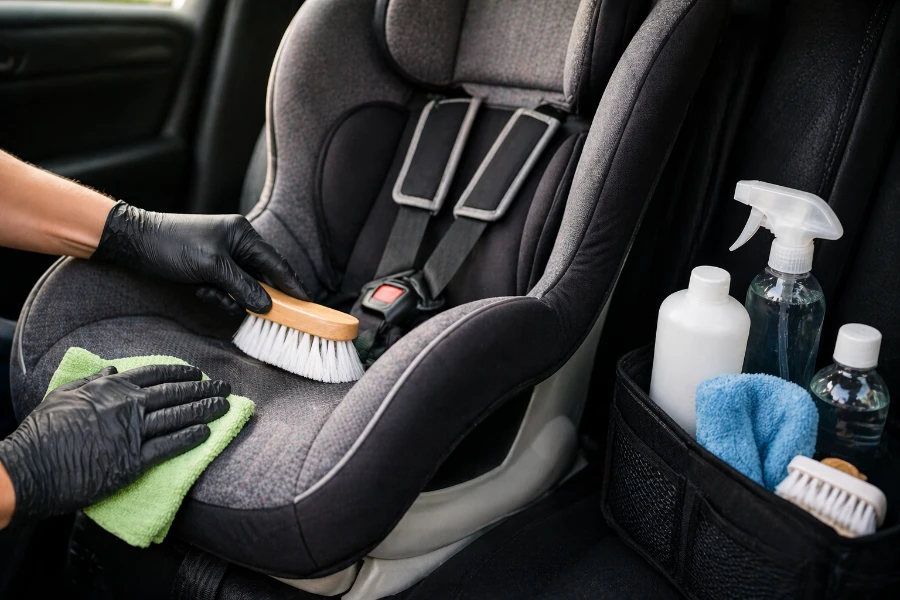
Freshness isn’t about one big clean. It’s about what you do every day.
Long-Term Strategy
- Stick to your weekly routine
- Keep clutter under control
- Improve airflow
- Schedule occasional deep cleans
Consistency beats intensity. Every time.
Quick Checklist: Keeping Car Seats Clean and Odor Free
Daily
- Remove trash
- Shake out debris
Weekly
- Vacuum
- Wipe down
- Spot clean
Monthly
- Deep clean
- Deodorize
Simple system. Big results.
Final Thoughts
Here’s the truth. You don’t need expensive tools or hours of effort to master tips for keeping car seats clean and odor free. You need awareness and you need consistency. And you need a system that fits your routine.
I’ve seen the difference firsthand. A clean car doesn’t just look better—it feels better. It changes how you experience every drive.
Start small. Stay consistent. And watch how quickly things improve.
Because once you get this right, there’s no going back.
FAQs
A light clean weekly and a deep clean once a month keeps buildup and odors under control.
Clean the source first, then use baking soda or a proper odor neutralizer to eliminate lingering smells.
Yes, but only mild ones—harsh chemicals can damage fabric, leather, or synthetic materials.
Maintain a regular cleaning routine and avoid leaving spills or moisture untreated.
Yes, because crumbs and dirt trapped in seams are a major cause of odors over time.
Vacuum first, then use a fabric-safe cleaner and avoid over-soaking to prevent mildew.
Wipe them regularly and condition them to prevent cracking and odor absorption.
No, they only mask smells—deep cleaning and odor removal are still necessary.
Blot immediately, clean thoroughly, and ensure the area dries completely to avoid odor buildup.
Yes, they act as a barrier against spills, dirt, and odors, especially for families and pet owners.

