
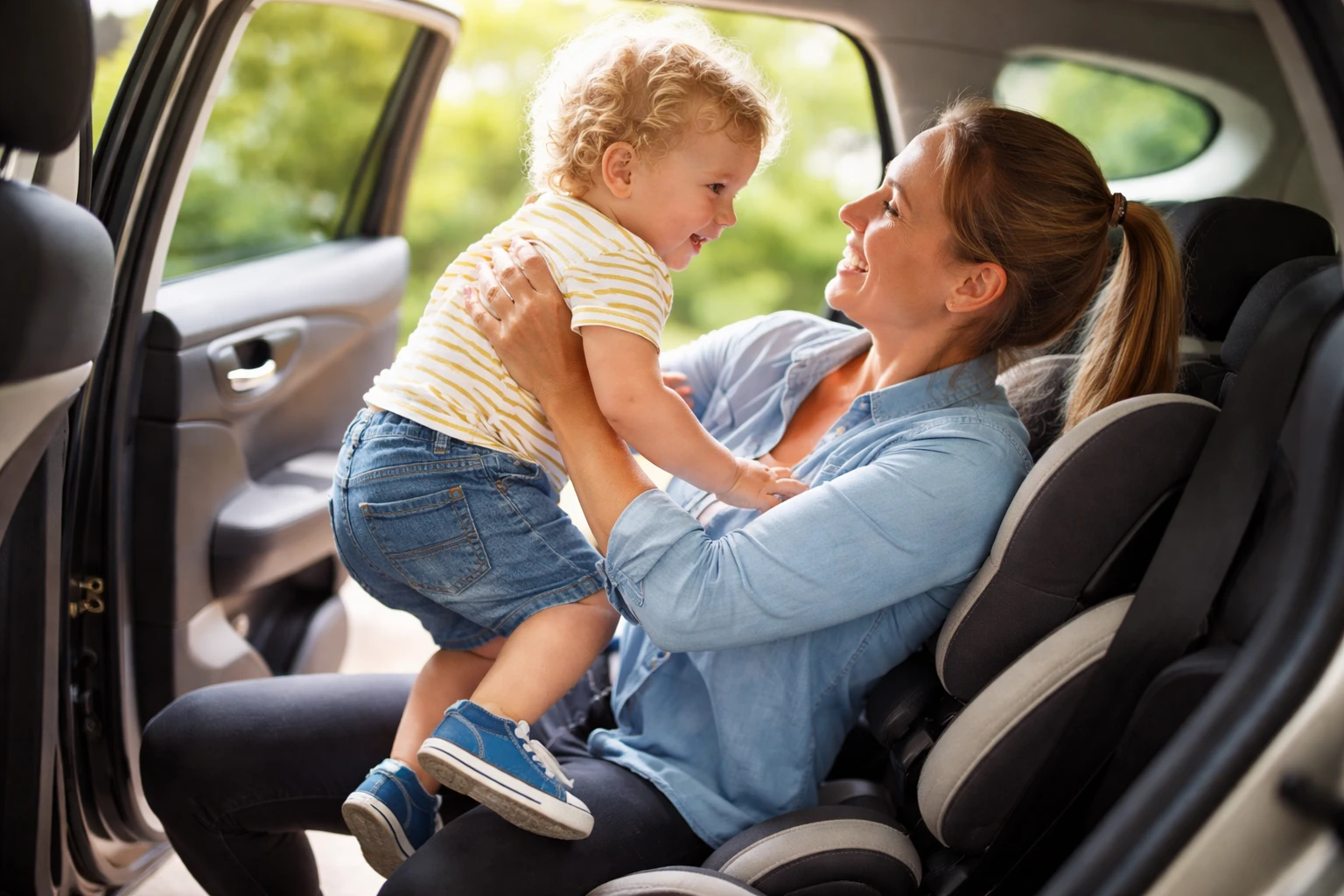

Lifting a toddler into a car seat seems simple until your back reminds you otherwise. If you’ve ever felt that sharp pull or lingering ache after loading your child into the car, you’re not alone. Learning how to reduce back strain when lifting toddlers into cars isn’t just helpful it’s essential for long-term health, especially when this task happens multiple times a day. Let’s get practical. No fluff. Just smart, actionable ways to protect your back while still getting your little one safely buckled in.
Why Back Strain Happens So Easily
Here’s the problem. Lifting a toddler into a car isn’t a clean, gym-style movement. It’s awkward. Tight space. Twisting angles. Sometimes one-handed. Often rushed. And your body? It pays for it.
When you lift incorrectly, your spine absorbs the stress instead of your legs. Add repetition morning drop-offs, errands, pickups and you’ve got a recipe for chronic discomfort. In biomechanics terms, this strain relates to how forces move through your body similar to concepts studied in Tensor, where direction and magnitude both matter. Your spine experiences multidirectional stress during awkward lifts.
The main culprits:
- Twisting while holding weight
- Reaching too far into the car
- Bending at the waist instead of knees
- Holding your child away from your body
- Poor posture under time pressure
Even small mistakes, repeated daily, stack up fast.
Early Signs You’re Straining Your Back
Back strain rarely shows up all at once. It creeps in.
You might notice:
- A dull ache after driving
- Tightness when standing up
- Stiffness the next morning
- Occasional sharp twinges
Ignore it long enough, and it becomes harder to fix. That’s why understanding how to reduce back strain when lifting toddlers into cars early on can save you months or years of discomfort. For reference, workplace safety organizations like Occupational Safety and Health Administration emphasize proper lifting techniques to prevent musculoskeletal injuries in daily tasks.
The Foundations of Safe Lifting
Before we get into technique, lock in these basics. They matter more than anything else.
Core Principles
- Keep your child close to your body
- Bend using your knees and hips, not your back
- Tighten your core muscles before lifting
- Avoid twisting turn your whole body instead
- Move slowly and deliberately
Simple? Yes. Easy to forget? Also yes.
Step-by-Step: The Right Way to Lift a Toddler Into a Car
Let’s walk through a better way. Once you practice this, it becomes second nature.
1. Get Close First
Stand as close to the car as possible. The farther you are, the more strain on your back.
2. Position Your Feet
Keep them shoulder-width apart. One foot slightly forward for balance.
3. Squat Down
Bend your knees, not your waist. Keep your back straight.
4. Lift With Your Legs
Bring your toddler close to your chest as you stand. Avoid lifting them at arm’s length.
5. Turn Your Whole Body
Instead of twisting your spine, pivot your feet and hips together.
6. Lower Carefully
Bend your knees again as you place your toddler into the seat.
7. Stay Close While Buckling
Don’t lean in from far away. Step closer even if it feels inconvenient.
Car Type Matters More Than You Think
Not all cars are created equal when it comes to lifting mechanics.
Quick Comparison
| Car Type | Challenge | Smart Adjustment |
| Sedan | Low seat height | Deep squat, keep child very close |
| SUV | Higher lift required | Use step or let toddler climb partially |
| Compact Car | Tight door space | Open door fully, reposition your stance |
| Hatchback | Flexible access but awkward angle | Adjust stance to avoid leaning too far |
If you’ve been wondering how to reduce back strain when lifting toddlers into cars, start by adapting your technique to your vehicle. It makes a bigger difference than you think.
Daily Habits That Protect Your Back
Technique is step one. Consistency is what actually prevents injury.
Build a Smarter Routine
- Always park with enough space to open the door fully
- Take an extra second to position yourself properly
- Avoid rushing even when you’re late
- Use the same safe lifting pattern every time
Encourage Partial Independence
Toddlers don’t need to be fully lifted every time.
Try this:
- Let them climb onto the seat with guidance
- Lift only the final part
- Use simple verbal cues: “Step up,” “Turn around,” “Sit back”
Less lifting = less strain.
Helpful Gear That Makes Life Easier
Sometimes the best solution isn’t technique it’s smarter tools.
Top Options
- Swivel car seats: Rotate toward you so you don’t have to twist
- Step stools: Help toddlers climb in on their own
- Rotating bases: Reduce awkward angles
- Compact carriers: Useful when transitioning from stroller to car
These aren’t luxuries. They’re back-savers. If you’re serious about how to reduce back strain when lifting toddlers into cars, investing in one of these can make a daily difference.
Strength and Mobility: Your Secret Weapon
You don’t need a full workout routine. Just a few targeted moves.
Focus Areas
- Core (your body’s natural support system)
- Glutes and legs (power for lifting)
- Hips (mobility and stability)
Simple Weekly Routine
- Squats – 2–3 sets
- Planks – 20–30 seconds
- Hip bridges – 10–15 reps
- Gentle back stretches
Done consistently, this builds resilience. And resilience prevents pain.
A Quick Pre- and Post-Lift Stretch Routine
Even 2 minutes can help.
Before Lifting
- Shoulder rolls
- Light hip stretches
- Gentle torso twists (slow and controlled)
After Lifting
- Hamstring stretch
- Child’s pose
- Lower back stretch
It’s not about intensity. It’s about keeping your body ready.
Common Mistakes That Hurt Your Back
Let’s call these out clearly.
Avoid These
- Lifting while holding bags in the other hand
- Twisting while placing your toddler in the seat
- Reaching from outside the car instead of stepping in
- Ignoring discomfort and pushing through
- Rushing the process
Most back injuries don’t come from one big mistake. They come from small ones repeated daily.
Teach Your Toddler to Help (Yes, Really)
This is underrated.
Toddlers love routine. Use that.
Turn It Into a Game
- “Climb up like a superhero!”
- “Can you turn and sit all by yourself?”
- “Let’s buckle up together!”
You’re not just saving your back. You’re building independence. And reducing how often you need to lift them fully is one of the easiest ways to apply how to reduce back strain when lifting toddlers into cars in real life.
When You Need to Adjust Your Approach
Sometimes, your body needs extra care.
Be Extra Cautious If You:
- Already have back pain
- Recently recovered from an injury
- Are pregnant or postpartum
- Feel sharp or persistent discomfort
In these cases:
- Limit lifting when possible
- Ask for help
- Use supportive gear
- Consider professional advice
Your back isn’t something to push through blindly.
A Real-Life Scenario: Small Changes, Big Difference
Let’s compare two routines.
Before
You park quickly. Open the door halfway. Reach in from a distance. Twist your torso while lifting. Rush to buckle. Done. Back hurts later.
After
You park with space. Open the door fully. Step close. Squat. Lift with your legs. Turn your whole body. Let your toddler assist. Buckle comfortably. No strain. No pain. That’s the difference consistent habits make.
Long-Term Prevention: Think Beyond Today
This isn’t about one lift. It’s about thousands.
What Works Long-Term
- Repeat good form every time
- Strengthen your body gradually
- Adjust your environment (car, tools, routine)
- Listen to early warning signs
If you truly want to master how to reduce back strain when lifting toddlers into cars, think in patterns not one-off fixes.
Quick Reference: Do vs Don’t
| Do | Don’t |
| Bend your knees | Bend at your waist |
| Keep child close | Hold child at arm’s length |
| Turn your whole body | Twist your spine |
| Move slowly | Rush the process |
| Let toddler assist | Do all the lifting yourself |
Keep this in mind. It’s simple, but powerful.
Conclusion
Your back works hard. Every single day. And lifting toddlers into cars while routine can quietly wear it down if you’re not careful. The good news? You don’t need dramatic changes.
Small shifts in how you move. A little awareness. Smarter habits. That’s it. Mastering how to reduce back strain when lifting toddlers into cars isn’t about perfection. It’s about consistency. Do it right often enough, and your body will thank you.
FAQs
Bend your knees, keep your child close to your body, and lift using your legs instead of your back.
It usually comes from twisting, reaching too far, or bending at the waist instead of using proper lifting form.
Yes, swivel or rotating car seats can reduce awkward angles and make lifting much easier on your back.
Use consistent proper technique, stay close to the seat, and avoid rushing the movement.
Yes, encouraging partial independence reduces how much lifting you need to do and lowers strain.
Focus on your core, legs, and hips since they support proper lifting and reduce stress on your spine.
Yes, limit lifting when possible and use supportive tools or ask for help to avoid worsening the injury.
It’s critical good posture keeps your spine aligned and prevents unnecessary strain.
Yes, rushed movements often lead to poor form and increase your risk of injury.
Absolutely consistent small adjustments in how you lift can significantly reduce long-term strain.

