
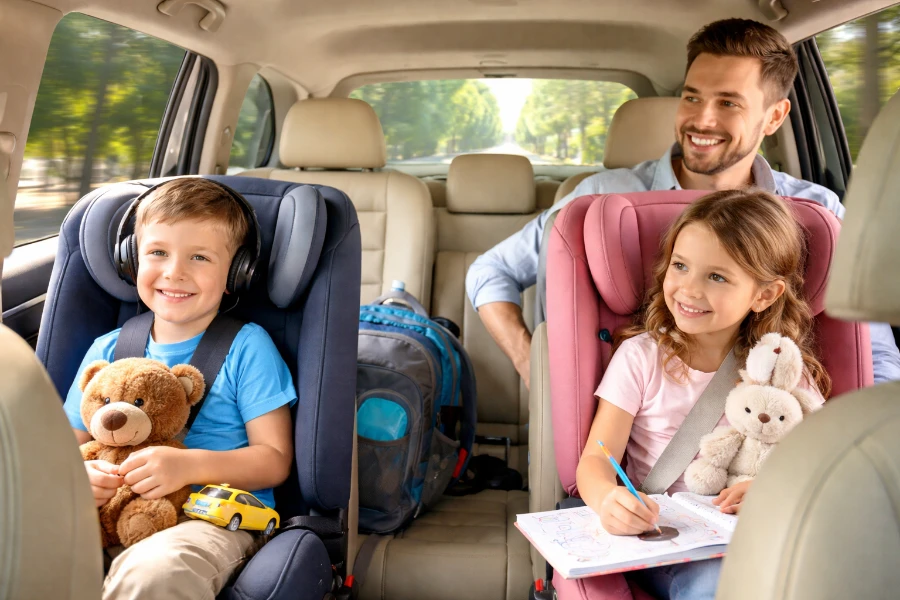
Car rides with kids can go one of two ways. Smooth and peaceful… or loud, chaotic, and exhausting. If you’re searching for the best ways to keep kids calm during car rides, you’re not alone—and you’re definitely not overreacting. A restless child in the back seat can turn even a short drive into a test of patience. The good news? With the right strategies, you can flip the experience entirely.
Let’s get into what actually works. Not theory. Not fluff. Real, practical solutions you can use on your very next drive.
Why Kids Get Restless During Car Rides
Kids aren’t trying to make your life harder. They’re reacting to their environment.
They’re strapped in. Movement is limited. The scenery barely changes. That’s a tough combo for young minds wired for curiosity and motion.
Here’s what’s really happening:
- Boredom hits fast – No stimulation equals frustration
- Physical discomfort – Tight seats, heat, or awkward positioning
- Hunger or thirst – Small needs become big problems quickly
- Fatigue – Overtired kids are unpredictable
- Emotional triggers – Sibling tension, disrupted routines
Once you understand the “why,” the solutions become much clearer.
Plan Ahead Before You Even Start the Engine
Preparation changes everything. Seriously.
Pack a “Calm Kit”
Think of this as your survival bag. You don’t want to be scrambling mid-drive.
Include:
- Easy snacks (crackers, sliced fruit, granola bars)
- Spill-proof water bottles
- Small toys or activity books
- Wet wipes and tissues
- Headphones for quiet entertainment
Keep it within reach. Not buried in the trunk.
Time Your Trip Strategically
Timing can make or break your ride.
- Plan drives during nap time for younger kids
- Avoid late evenings when kids are overtired
- Skip heavy traffic hours if possible
A well-timed drive can turn chaos into calm without extra effort.
Set Expectations Early
Kids handle situations better when they know what’s coming.
Before you leave:
- Tell them how long the trip will take
- Explain basic rules (inside voices, seat belts stay on)
- Offer something to look forward to
Clarity reduces resistance. Every time.
Create a Comfortable and Kid-Friendly Car Environment
Comfort matters more than you think.
Adjust Seating and Temperature
- Make sure car seats are properly positioned
- Adjust airflow so no one is too hot or cold
- Check straps—they shouldn’t be too tight
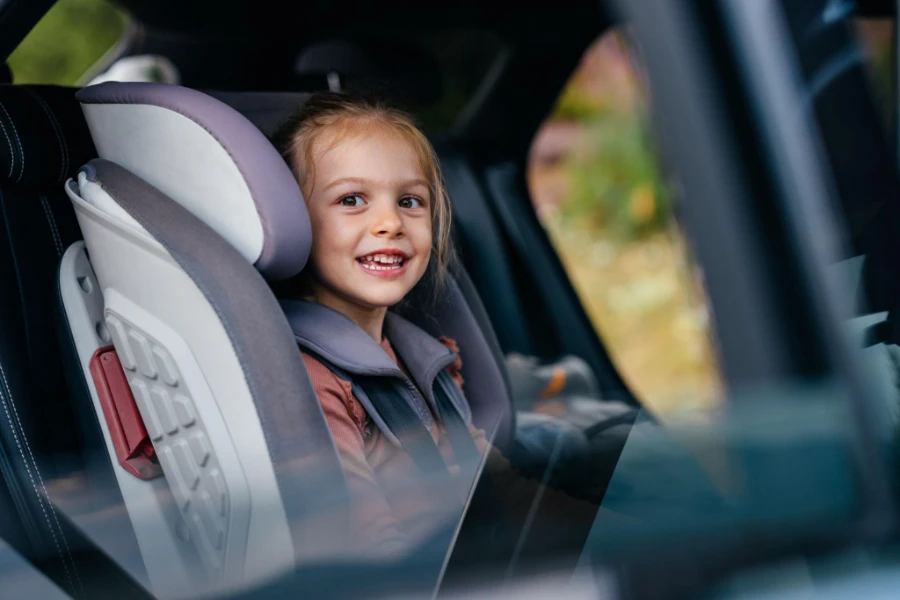
One of the biggest factors in keeping kids calm is comfort and positioning. Using a 360 rotating car seat can make a huge difference, especially during longer trips.
Even minor discomfort can trigger big reactions.
Use Sunshades and Lighting
Bright sunlight can irritate kids quickly.
- Install window sunshades
- Keep lighting soft and even
A calmer environment leads to calmer behavior.
Bring Comfort Items
Never underestimate the power of familiarity.
- Favorite blanket
- Stuffed toy
- Small pillow
These items create a sense of security, especially on longer drives.
Entertainment Strategies That Actually Work
This is where most parents focus—but not all entertainment is equal.
Audio-Based Activities
Sometimes, less visual stimulation works better.
- Create a kid-friendly playlist
- Play audiobooks or short stories
- Try guided storytelling
Audio keeps kids engaged without overwhelming them.
Interactive Car Games
Simple. Effective. Zero cost.
Try these:
- I Spy – Great for observation skills
- 20 Questions – Keeps minds active
- License Plate Game – Perfect for older kids
These games encourage thinking, not just passive watching.
Screen Time (Used Smartly)
Yes, screens can help. But use them strategically.
- Download content before the trip
- Choose educational or calming shows
- Set limits (not the entire ride)
Screens should support your strategy, not replace it.
Snacks and Hydration: Small Things, Big Impact
Hungry kids don’t stay calm. Period.
Here’s a quick guide:
| Snack Type | Why It Works | Example Ideas |
| Protein-based | Keeps kids full longer | Cheese sticks, nuts |
| Low-sugar snacks | Avoids energy crashes | Crackers, whole-grain bars |
| Easy-to-hold | Reduces mess and stress | Apple slices, bananas |
Pro tip: Avoid overly sugary treats. They spike energy—then crash it.
Hydration matters too. But don’t overdo it unless you’re ready for frequent stops.
Keep Their Minds Engaged (Not Just Distracted)
There’s a difference.
Distraction is temporary. Engagement lasts longer.
Talk and Ask Questions
Kids love being included.
Ask things like:
- “What would you do if you were driving?”
- “What’s the best part of your day so far?”
- “Let’s make a story together.”
Conversation builds connection—and calm.
Give Them “Jobs”
Kids feel important when they have a role.
Try assigning:
- Navigator helper – “Watch for turns”
- Music DJ – Picks songs
- Snack manager – Hands out snacks
Responsibility reduces boredom.
Managing Tantrums and Meltdowns on the Road
Even with the best planning, meltdowns happen.
Stay Calm First
Your reaction sets the tone.
If you escalate, they escalate. If you stay steady, they settle faster. Maintaining emotional balance can even be compared to complex systems like quantum entanglement—once things are connected, one reaction affects everything else.
Use Simple Calming Techniques
Try:
- Deep breathing (“Let’s breathe together”)
- Redirecting attention
- Speaking in a low, steady voice
Keep it simple. Overexplaining rarely works mid-meltdown.
Know When to Pull Over
Sometimes, you need a reset.
Pull over safely if:
- The child is inconsolable
- There’s a safety concern
- Emotions are escalating fast
A short break can prevent a long struggle.
Breaks, Movement, and Flexibility
Kids aren’t built to sit still for long.
Guidance from the Centers for Disease Control and Prevention highlights how regular movement helps regulate mood and energy levels in children.
Plan for movement.
- Stop every 1–2 hours on long trips
- Let them stretch, walk, and move freely
- Use stops as mini energy resets
Even a 10-minute break can change the mood completely.
Build a Positive Car Ride Routine
Consistency creates comfort.
Create Simple Rituals
- Start every ride with a favorite song
- Offer a snack at a certain point
- Play a specific game regularly
Routines make the experience predictable—and calmer.
Reinforce Good Behavior
Catch the good moments.
- “I like how quiet you’re being.”
- “You’re doing great staying calm!”
Positive reinforcement works better than constant correction.
What to Avoid During Car Rides
Sometimes, what you don’t do matters just as much.
Avoid these:
- Too much sugar – Leads to energy crashes
- Ignoring early warning signs – Small discomfort grows quickly
- Over-reliance on screens – Can backfire when removed
- Unrealistic expectations – Kids will be kids
Stay realistic. Stay flexible.
Pro Tips from Experienced Parents
Let’s get practical.
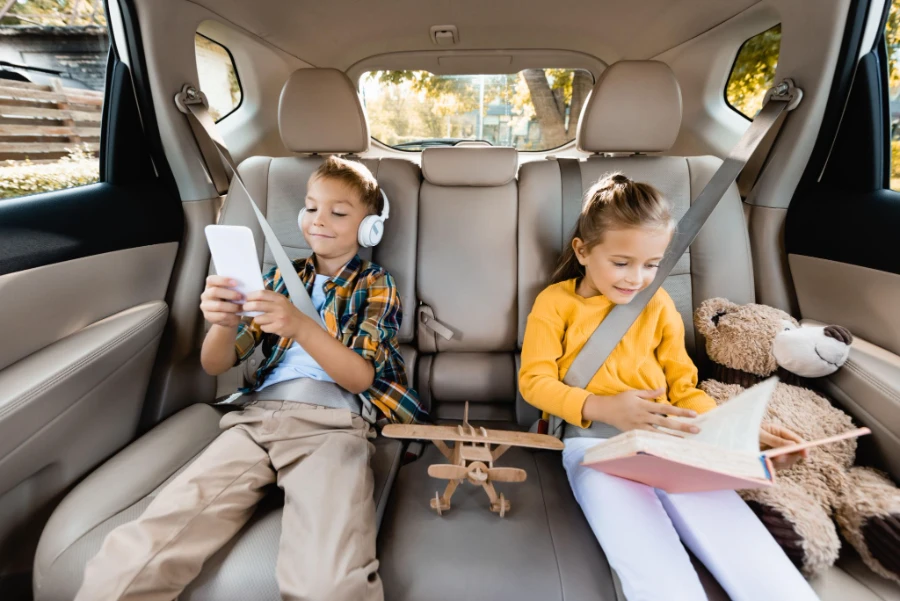
- Rotate toys instead of giving everything at once
- Keep backup snacks hidden for emergencies
- Introduce a “surprise item” halfway through the trip
- Use a calm, steady tone—even when you’re tired
And here’s one I personally swear by: always have one thing they haven’t seen before. It buys you time. Every time!
Conclusion
Car rides with kids don’t have to feel like a battle. With the best ways to keep kids calm during car rides, you’re not just managing behavior—you’re shaping the entire experience.
It starts with preparation. It continues with smart engagement. And it works best when you stay flexible.
Some rides will still be messy. That’s part of parenting. But more often than not, you’ll notice something shift. Less stress. More calm. Maybe even a quiet ride now and then.
And when that happens? It feels like a win.
FAQs
Bring familiar toys, snacks, and plan trips around nap time to reduce fussiness.
Small, mess-free toys like coloring books, puzzles, and soft toys work best.
Plan a break every 1–2 hours so kids can stretch and reset their energy.
Yes, when used in moderation with pre-downloaded, age-appropriate content.
Choose low-sugar, easy-to-hold snacks like crackers, fruit slices, and cheese.
Keep the car well-ventilated, avoid heavy meals, and have them focus on the road ahead.
Start with short trips, build positive routines, and gradually increase travel time.
Give each child their own space, activities, and set clear behavior expectations.
Yes, they engage kids’ imagination and reduce overstimulation from screens.
Pack snacks, water, wipes, toys, comfort items, and a backup change of clothes.