
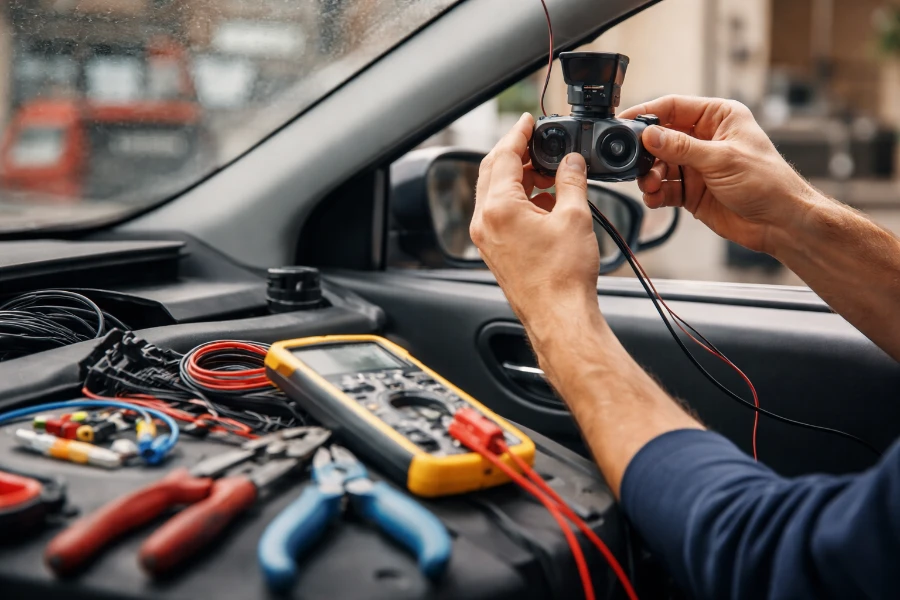

Installing car accessories is one of the fastest ways to upgrade your driving experience. Better comfort. More functionality. A touch of personality. But here’s the truth—tips for installing car accessories correctly are what separate a clean upgrade from a costly mistake.
I’ve seen it firsthand. Loose wiring. Crooked mounts. Accessories that stop working after a week. It doesn’t have to be that way! With the right approach, you can install almost anything confidently and safely.
Let’s break it down step by step.
Understanding Different Types of Car Accessories
Before you even pick up a screwdriver, you need clarity. Not all accessories are created equal—and not all require the same installation approach.
Interior Accessories
These are the easiest to install but still require attention to detail.
- Seat covers
- Floor mats
- Phone mounts
- Infotainment upgrades
Exterior Accessories
These can affect both appearance and aerodynamics.
- Roof racks
- Spoilers
- Decals
- LED light bars
Electrical Accessories
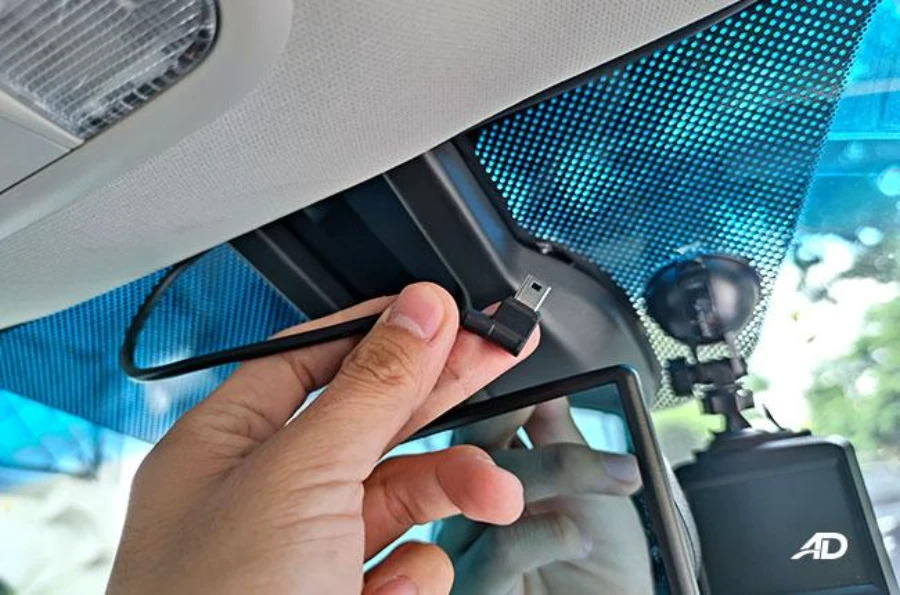
Now we’re getting serious. These require precision.
- Dash cams
- Reverse cameras
- Ambient lighting
- Audio systems
Performance Accessories
These impact how your car runs.
- Air intake systems
- Exhaust upgrades
- Suspension components
Each category demands a slightly different mindset. The more complex the accessory, the more careful you need to be.
Why Proper Installation Matters
Let’s keep this simple. Bad installation leads to problems. Good installation prevents them.
Here’s what’s at stake:
- Safety risks: Loose parts can become dangerous while driving
- Electrical failure: Poor wiring can short your system
- Performance issues: Incorrect parts placement affects efficiency
- Warranty concerns: Improper installs may void coverage
You’re not just installing accessories—you’re protecting your vehicle.
Essential Tools and Equipment You’ll Need
You don’t need a full workshop. But you do need the basics.
Core Tools Checklist
| Tool | Purpose |
| Screwdrivers (flat & Phillips) | General fastening |
| Socket wrench set | Tightening bolts |
| Pliers | Grip and adjustment |
| Trim removal tools | Prevent interior damage |
| Multimeter | Electrical testing |
| Wire strippers | Clean wire prep |
Add gloves and safety glasses, and you’re set.
Using the wrong tool slows you down. Worse, it damages your car.
Read the Manual First—Always
I get it. Manuals aren’t exciting. But skipping them? That’s where problems start.
Instructions tell you:
- Correct placement
- Wiring diagrams
- Compatibility requirements
Even experienced installers check the manual. Every time.
Think of it this way—you’re not wasting time. You’re preventing mistakes.
Tips for Installing Car Accessories Correctly
This is where it all comes together. These are the practical, real-world tips for installing car accessories correctly that make the biggest difference.
1. Choose High-Quality Accessories
Cheap parts fail. Often.
Look for:
- Certified products
- Strong materials
- Good reviews
Saving money upfront can cost you double later.
When choosing advanced seating systems, especially rotating models, proper setup becomes even more critical—this is where options like Cybex 360 car seats stand out for their ease of installation and safety design.
2. Disconnect the Battery Before Electrical Work
This one is non-negotiable.
Disconnecting the battery:
- Prevents short circuits
- Protects your electronics
- Keeps you safe
Understanding how electrical systems behave—even at a basic level—can help prevent serious issues like short circuits or overload conditions. If you’re curious about how electrical current works in more complex systems, you can explore this concept of Quantum mechanics, which explains the behavior of particles at microscopic levels.
One small step. Huge protection.
3. Follow Proper Wiring Techniques
Messy wiring is a disaster waiting to happen.
Do it right:
- Use proper connectors
- Insulate with electrical tape or heat shrink
- Avoid loose or exposed wires
Clean wiring isn’t just neat—it’s reliable. For official safety practices around vehicle electronics and modifications, refer to the National Highway Traffic Safety Administration guidelines, which emphasize safe installation and vehicle compliance.
4. Use the Right Mounting Methods
Don’t force things into place.
Instead:
- Use brackets when provided
- Align components carefully
- Avoid unnecessary drilling
A secure mount means no rattling, no shifting, no regrets.
5. Measure Twice, Install Once
This sounds simple. It’s also where many people go wrong.
Before installing:
- Check alignment
- Confirm spacing
- Visualize placement
Take an extra minute. Save hours of fixing mistakes.
6. Keep It Clean and Organized
A messy install is a weak install.
- Bundle wires neatly
- Use cable ties
- Keep components aligned
Professional results come from organized work.
7. Test Before Finalizing Installation
Never skip testing.
Before tightening everything:
- Power it on
- Check functionality
- Look for issues
Fixing problems early is easy. Fixing them later? Not so much.
8. Avoid Overloading Electrical Systems
Your car has limits.
Adding too many accessories can:
- Drain your battery
- Blow fuses
- Damage wiring
Understanding your vehicle’s capacity is one of the most overlooked tips for installing car accessories correctly—and one of the most important.
Common Mistakes to Avoid
Even with the best intentions, mistakes happen. Here are the most common ones—and how to avoid them.
- Skipping instructions
- Using the wrong tools
- Poor wiring connections
- Over-tightening bolts
- Ignoring testing
Each mistake leads to frustration. Avoid them, and your installation becomes smooth and stress-free.
When to DIY vs. Hire a Professional
Let’s be honest—not everything should be DIY.
DIY-Friendly Installations
- Seat covers
- Phone mounts
- Basic lighting
Better Left to Professionals
- Complex audio systems
- Advanced electrical setups
- Suspension upgrades
Quick Comparison
| Factor | DIY | Professional |
| Cost | Lower | Higher |
| Risk | Moderate | Low |
| Time | Longer | Faster |
| Expertise | Required | Provided |
If you’re unsure, it’s okay to step back and call in help.
Maintenance Tips After Installation
Installation isn’t the end. It’s just the beginning.
Keep things running smoothly:
- Inspect accessories regularly
- Clean components
- Check wiring connections
Small checks prevent big issues.
Safety Tips for Long-Term Use
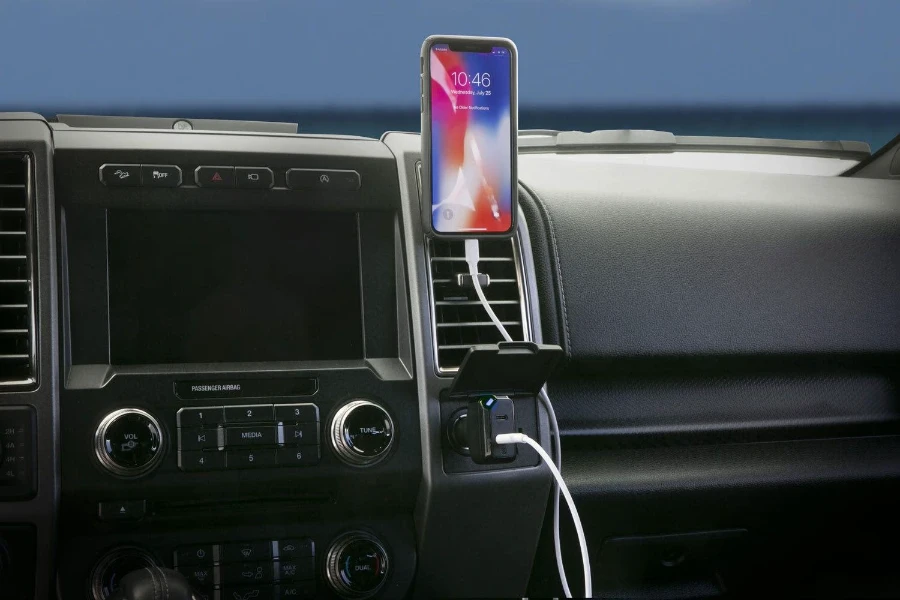
Your accessories should enhance your driving—not distract from it.
Make sure:
- Nothing blocks your view
- Controls remain accessible
- Lights aren’t blinding other drivers
Following long-term safety practices is another key part of mastering tips for installing car accessories correctly.
Cost Considerations and Budgeting
It’s tempting to go all-in. But smart budgeting wins.
Think about:
- Quality vs. price
- Tool costs
- Potential repair expenses
A well-installed accessory lasts longer. That’s real value.
Final Checklist Before Hitting the Road
Before you call it done, run through this quick checklist:
- ✔ Everything securely installed
- ✔ All functions tested
- ✔ No loose wires or parts
- ✔ Clean, professional finish
If you can check all four—you’ve done it right.
Conclusion
Installing car accessories isn’t just about making your vehicle look better. It’s about doing it the right way. Safely. Cleanly. Confidently.
By following these tips for installing car accessories correctly, you avoid costly mistakes and create upgrades that actually last.
Take your time. Use the right tools. Test everything. And don’t rush the process.
Because when it’s done right—it feels good. Really good.
FAQs
Focus on proper tools, secure wiring, and testing everything before final installation.
Yes, many basic accessories are DIY-friendly, but complex electrical or performance upgrades may require a professional.
It prevents electrical shocks, short circuits, and potential damage to your vehicle’s electronics.
Check the product specifications, your vehicle manual, and ensure it matches your car’s make and model.
Basic tools like screwdrivers, pliers, and a multimeter are essential for most installations.
Use proper tools, follow instructions carefully, and avoid forcing parts into place.
Skipping instructions, poor wiring, and not testing the accessory before finalizing are the most common errors.
Only if your vehicle’s electrical system can handle the load; otherwise, you risk draining the battery or blowing fuses.
Inspect them regularly, especially wiring and mounts, to ensure they remain secure and functional.
If the installation involves complex wiring, structural modifications, or safety systems, it’s best to seek expert help.

