If you’re wondering about the Joie 360 Spin car seat when to remove inserts, you’re not alone. It’s one of the most common questions parents ask after those first few months. Baby is growing. The straps feel tighter. The padding looks bulky. And suddenly you’re staring at the seat thinking, “Is it time?”
Here’s the truth: removing inserts isn’t about age. It’s about fit. And fit directly affects safety.
In this guide, I’ll walk you through exactly how to decide when to remove inserts from your Joie 360 Spin car seat, what signs to look for, how to test proper positioning, and the mistakes that can quietly compromise protection.
Let’s get into it.
What Are the Joie 360 Spin Car Seat Inserts?
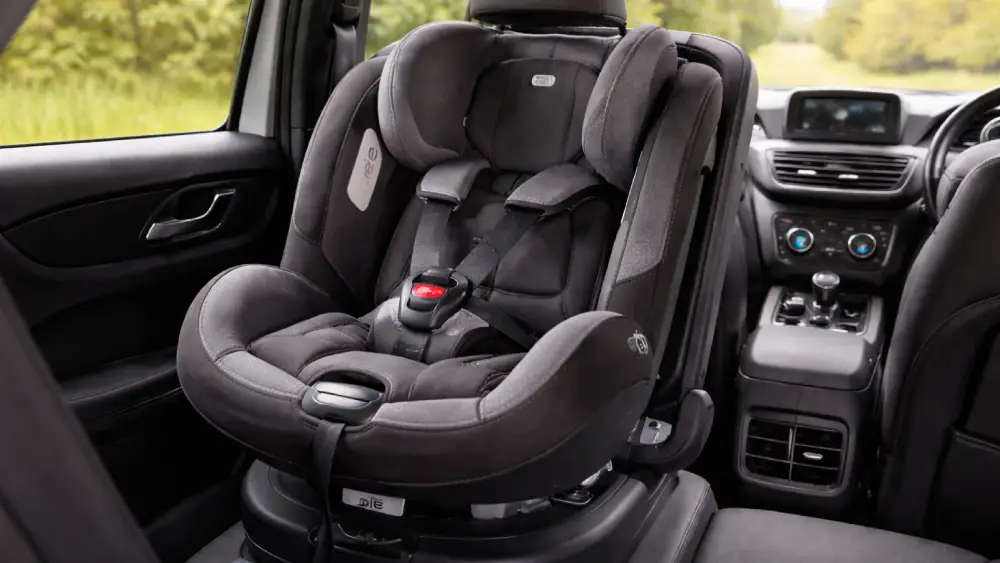
The Joie 360 Spin car seat typically comes with layered inserts designed for newborns and smaller infants. Depending on your specific model (Spin 360, i-Spin 360, i-Spin Safe), you may have:
- A full newborn body insert
- A separate lower wedge or cushion
- A head support insert
- Side impact padding
These aren’t just for comfort. They serve a positioning purpose.
Newborns lack head and trunk control. Inserts help:
- Prevent slumping
- Keep the airway aligned
- Ensure the harness sits correctly on a smaller frame
Without inserts, a newborn may sit too low in the shell. With inserts for too long, an older baby may sit too high or forward.
That balance is everything.
Why Insert Removal Matters More Than You Think
When people search for Joie 360 Spin car seat when to remove inserts, they’re often thinking about comfort. But the real issue is harness geometry.
Here’s what can go wrong if inserts stay in too long:
- Baby is pushed forward away from the seat shell
- Harness straps sit too far from the shoulders
- Chest clip (if applicable in your region) sits too high or low
- Baby’s head tips forward
And if inserts are removed too early?
- Slouching
- Sideways leaning
- Poor shoulder strap positioning
- Increased movement in the seat
It’s not dramatic. It’s subtle. That’s why many parents miss it.
Proper fit is about three things:
- Back flat against the seat
- Hips all the way back
- Harness snug and correctly positioned
Everything revolves around those points.
First Rule: Follow Your Manual
Before you remove anything, open the manual.
Yes, actually open it.
Joie has multiple spin models, and insert guidance varies. Some inserts are meant to be removed at a specific weight range. Others are removed when the child reaches a certain harness height. A few layers are meant to stay in permanently.
Look specifically for:
- “Newborn insert” instructions
- Weight or height thresholds
- Diagrams showing staged removal
If online advice conflicts with your manual, the manual wins. Every time.
Signs It’s Time to Remove the Inserts
Now let’s get practical. Here are the most reliable indicators.
1. The Harness Is Difficult to Tighten — Even When Adjusted Properly
If you’re pulling hard on the harness adjuster and it feels unusually resistant, padding may be compressing your child too much.
The harness should tighten smoothly and lie flat. It shouldn’t feel like you’re fighting layers of foam.
2. Straps Don’t Sit Flat on the Shoulders
Look closely.
Are the straps angling outward before touching the shoulders? That can happen when inserts lift the child too high.
Harness straps should:
- Lie flat
- Sit at or slightly below shoulders when rear-facing
- Have no gaps between strap and body
If the insert is interfering, it’s time to reassess.
3. Baby’s Head Is Being Pushed Forward
This one is critical.
If you notice the chin resting close to the chest while fully buckled — not just while sleeping — the insert may be pushing your child forward.
Airway alignment matters. A lot.
4. Baby Looks “Perched”
Instead of sitting deep in the seat, your child appears elevated. Hips aren’t fully back. Back isn’t flush with the shell.
That’s a visual cue.
When parents ask about Joie 360 Spin car seat when to remove inserts, this is often the moment they’re describing without realizing it.
The Fit Test: Step-by-Step
Don’t guess. Test.
Here’s how to evaluate whether the insert still serves your child.
Step 1: Position Check
Place your child in the seat fully buckled.
Confirm:
- Hips are all the way back
- Back lies flat
- No curling sideways
- No visible gap between lower back and seat
If the insert causes arching or forward shift, remove one layer and test again.
Step 2: Harness Height
For rear-facing:
- Harness straps should be at or slightly below shoulder level
If removing the insert drops shoulder height significantly, you may need to adjust the harness position.
Never skip this step.
Step 3: The Pinch Test
After tightening:
- Try to pinch the harness at the shoulder
- If you can pinch fabric, it’s too loose
- If not, you’re good
Removing inserts changes the amount of compression in the system. Always retighten after changes.
Step 4: Airway Alignment
Look at your child from the side.
Neutral head position. No forced tilt. No chin pressed downward.
If you see that issue, revisit insert use immediately.
Typical Removal Pattern (But Not a Timeline)
Let’s clear something up.
There is no universal age.
Some babies outgrow the body insert at 3 months. Others need it until 6 months. Some long, lean babies need removal sooner than compact babies.
What usually happens:
| Insert Type | Often Removed First? | Why |
| Lower body insert | Yes | Baby outgrows torso padding |
| Full body insert | Often | Harness fit changes |
| Head support | Sometimes last | May still help with side support |
But again — your manual may specify staged removal.
The phrase Joie 360 Spin car seat when to remove inserts can’t be answered with “at X months.” It must be answered with fit analysis.
How to Remove Inserts Correctly
When it’s time, do it properly.
- Uninstall the seat only if required by your model
- Remove insert layers in the order described in your manual
- Never remove padding that is sewn in
- Store inserts safely (future child or resale use)
After removal:
- Re-seat your child
- Adjust harness height
- Tighten harness
- Perform pinch test
- Recheck head alignment
Do not skip this process.
The seat has changed. Your setup must change too.
Common Mistakes Parents Make
These are frequent. And preventable.
Mistake 1: Removing Inserts Because Baby “Looks Big”
Cheeks are not a measurement tool.
Fit is.
Always test positioning before removing anything.
Mistake 2: Keeping Inserts for Extra Comfort
More padding feels cozy. I get it.
But if padding interferes with harness positioning, safety decreases.
Mistake 3: Using Aftermarket Inserts
This one is serious.
Never add third-party inserts. Ever.
They:
- Haven’t been crash-tested with your seat
- Alter harness geometry
- Change how crash forces are distributed
If you’re troubleshooting Joie 360 Spin car seat when to remove inserts, the solution is never adding extra padding.
Mistake 4: Forgetting to Re-Adjust the Harness
Removing inserts lowers the child inside the shell.
If you don’t move the harness height, straps may now sit above the shoulders. That’s incorrect for rear-facing.
Always reassess harness position after changes.
When to Seek Help
Sometimes everything looks fine — but something feels off.
Reach out to a Certified Child Passenger Safety Technician (CPST) if:
- Baby always slumps
- Head consistently falls forward
- Harness won’t tighten evenly
- You’re unsure about staged insert removal
A 20-minute seat check can eliminate guesswork. It’s worth it.
Quick Reference Summary
If you need clarity fast, here it is:
- Inserts are for fit, not age
- Remove them when they interfere with harness positioning
- Remove in stages if your model allows
- Never use aftermarket inserts
- Re-check harness tightness after removal
- Always confirm shoulder strap height
The question of Joie 360 Spin car seat when to remove inserts comes down to one word: alignment.
Frequently Asked Questions
Remove them when they interfere with proper harness fit or positioning, not based on age alone.
Some models list weight guidance, but fit and shoulder strap position matter more than a number.
Yes, many Joie models allow staged removal, typically starting with the lower body insert.
Your baby may slump or sit too low, affecting harness positioning and airway alignment.
It can be if they push your child forward or prevent the harness from sitting correctly.
Yes, always recheck harness height and tightness after making any insert changes.
No, third-party inserts are not crash-tested with your seat and may compromise safety.
First check recline angle and harness fit; reintroduce inserts only if the manual allows it.
Not if the harness is adjusted correctly and your child is properly positioned.
A Certified Child Passenger Safety Technician (CPST) can perform a hands-on seat check.