
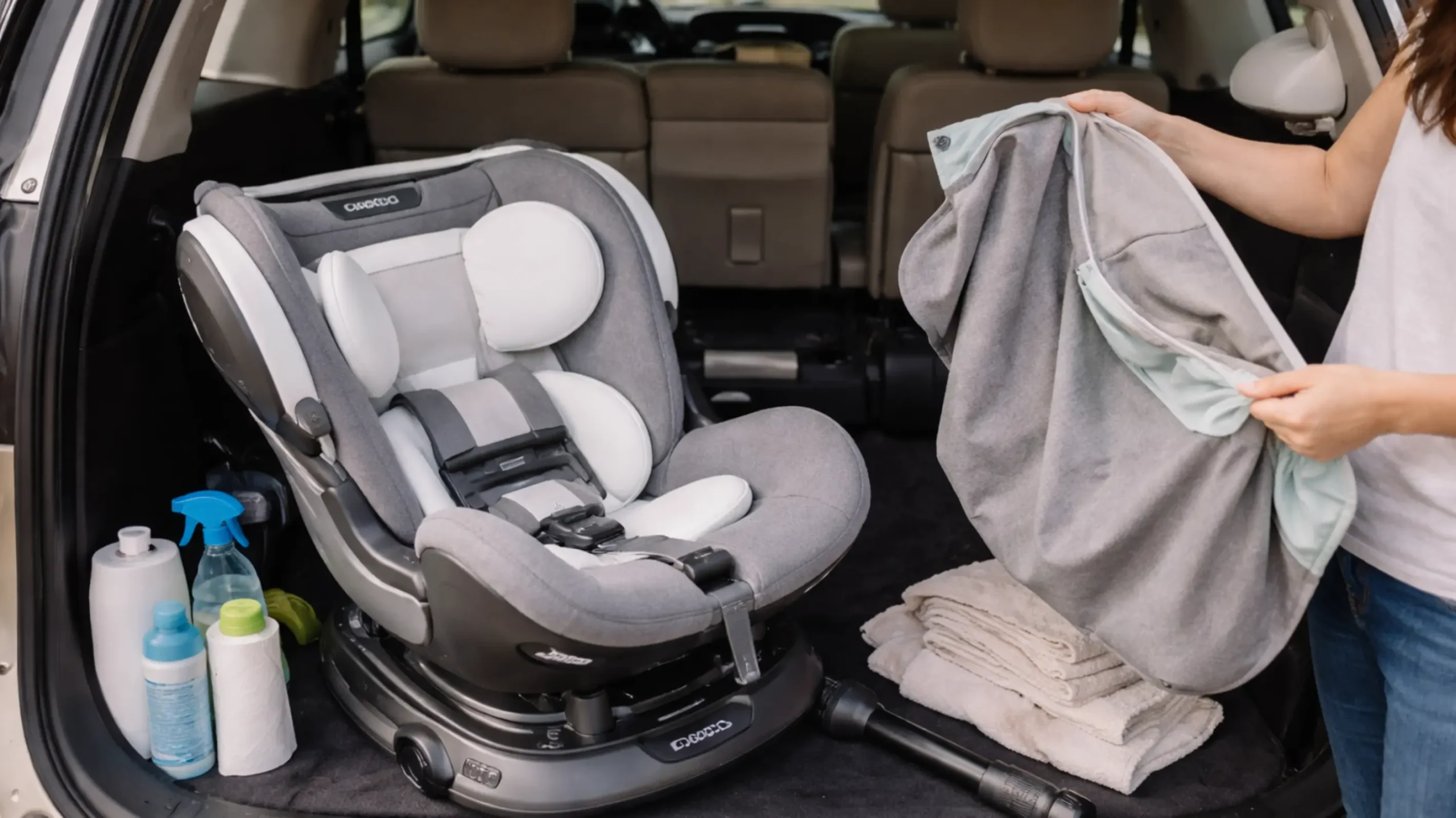
If you’re wondering how to clean Chicco 360 car seat models without damaging the fabric, straps, or rotating mechanism, you’re in the right place. I’ve worked with dozens of car seats over the years, and the Chicco 360 is one of the more parent-friendly designs to maintain—if you approach it correctly. Spills happen. Crumbs multiply. Mystery odors appear overnight. The key is knowing what to clean, how to clean it, and just as importantly, what to leave alone.
In this guide, I’ll walk you through exactly how to clean Chicco 360 car seat components safely and thoroughly. We’ll cover removal, harness care, buckle cleaning, deep cleaning after major messes, and proper reassembly. No guesswork. No risky shortcuts. Just practical, tested steps.
Why Proper Cleaning Matters More Than You Think
A car seat isn’t just another piece of baby gear. It’s a safety device engineered to perform under extreme conditions. That means every cleaning decision you make can either preserve or compromise its integrity.
Food residue attracts bacteria. Moisture encourages mold. Harsh chemicals weaken webbing fibers. I’ve seen straps ruined by a single soak in detergent. It’s not dramatic—it’s preventable.
When learning how to clean Chicco 360 car seat, the priority is always safety first, cleanliness second. If you follow manufacturer guidelines and stick with mild methods, you’ll protect both your child and your investment.
Before You Start: Safety Rules You Shouldn’t Ignore
Before you remove a single snap, take a breath and check your manual. Chicco occasionally updates materials and attachment systems, and small differences matter.
Here’s what I always keep in mind:
- Never use bleach or harsh cleaners.
- Do not soak harness straps.
- Avoid machine drying unless the care label explicitly allows it.
- Do not modify foam padding.
- Skip pressure washers entirely
Gather your supplies before starting. Keep it simple:
- Mild detergent (fragrance-free if possible)
- Warm water (not hot)
- Soft microfiber cloth
- Soft brush or toothbrush
- Vacuum with crevice tool
- Clean towels
That’s it. If you’re using more than this, you’re probably overcomplicating the job.
Step 1: Removing the Cover Safely
Understanding how to clean Chicco 360 car seat fabric begins with proper removal. Fortunately, the rotating feature makes access easier than traditional models.
First, rotate the seat toward you. This gives you direct access to the back and sides without awkward bending.
Loosen the harness straps completely. Remove any infant inserts. Take photos before disassembly if you want a visual reference later. It takes ten seconds and can save frustration during reassembly.
Gently detach the cover from:
- Elastic loops
- Snap buttons
- Hook-and-loop sections
- Plastic tabs
Work methodically. Avoid pulling aggressively. The cover should lift off without force.
If foam inserts are removable, keep them in the shape they came in. Don’t wring them. Don’t twist them. Foam deformation affects fit.
In most cases, you don’t need to uninstall the entire seat from the vehicle unless you’re doing a deep clean. For surface refreshes, leave it installed and focus on accessible areas.
Step 2: Washing the Seat Cover Correctly
This is the step most parents worry about. It’s also where mistakes happen.
When considering how to clean Chicco 360 car seat cover, check the label first. Most Chicco covers are machine washable on a gentle cycle, but cold water is non-negotiable. Heat shrinks fabric and damages stitching.
If machine washing is permitted:
- Wash separately.
- Use cold water.
- Select a gentle cycle.
- Add mild detergent only.
- Skip fabric softener.
Fabric softeners coat fibers. That coating can interfere with flame-retardant properties.
If you prefer hand washing—or your model requires it—fill a tub with warm water and a small amount of detergent. Submerge the cover. Gently agitate. Focus on stained areas with a soft brush.
For stubborn spots, I use a simple baking soda paste. Let it sit for 20–30 minutes before rinsing thoroughly.
Rinse until the water runs clear. Residue left behind can cause stiffness or irritation
Step 3: Cleaning Harness Straps the Right Way
This is critical. And often misunderstood.
When researching how to clean Chicco 360 car seat harness straps, remember one rule: never soak them. Harness webbing is engineered to stretch in a controlled way during impact. Water saturation and detergents can weaken fibers.
Instead:
- Use a damp cloth.
- Apply a tiny amount of mild soap if needed.
- Wipe gently.
- Allow to air dry completely.
That’s it.
If straps are twisted, fix the routing while they’re dry. Make sure they lie flat and move smoothly.
Step 4: Cleaning the Buckle Without Damaging It
Sticky buckles are common, especially after juice spills. The Chicco buckle can often be cleaned with warm running water—check your manual first.
I typically:
- Remove the buckle from the seat if permitted.
- Rinse under warm water.
- Shake vigorously to dislodge debris.
- Let it air dry thoroughly.
Avoid soap unless explicitly approved. Soap residue can interfere with the locking mechanism.
Once dry, test it. Insert the tongues. Listen for a solid click. Press release. Ensure smooth function.
No click? Don’t reinstall until it works perfectly.
Step 5: Cleaning the Plastic Shell and 360 Base
Now let’s address the structure.
When people ask how to clean Chicco 360 car seat base and shell, they often assume heavy-duty cleaners are required. They’re not.
Start with a vacuum. Use the crevice attachment to remove crumbs from seams and the rotating track. Debris can interfere with smooth rotation.
Then wipe down surfaces with warm water and mild soap using a soft cloth. Avoid abrasive scrubbers. Scratches weaken plastic over time.
Pay special attention to the rotating mechanism. Dirt can build up along the track. Clean gently. Never lubricate unless Chicco recommends it.
After cleaning, rotate the seat several times. It should glide smoothly.
Drying: Patience Is Essential
Air drying is best. Always.
Lay the cover flat on a clean towel. Keep it away from direct sunlight to prevent fading or fabric breakdown. Avoid hanging it in a way that stretches elastic edges.
Foam inserts should also air dry completely. Moisture trapped inside can lead to odor or mold.
Never reassemble while damp. I cannot stress this enough. Even slight moisture can cause mildew in hidden areas.
Reassembling the Seat Correctly
Reassembly is where attention to detail pays off.
Replace foam inserts exactly as they were. Reattach the cover by reversing the removal steps. Secure all snaps and loops firmly.
Check harness routing carefully. The straps should move freely through slots without twisting.
Rotate the seat fully. Confirm nothing obstructs motion.
Finally, perform a functional check:
- Buckle clicks securely.
- Harness tightens and loosens smoothly.
- The seat rotates without grinding.
- The cover sits evenly.
If something feels off, stop and fix it before reinstalling your vehicle.
Deep Cleaning After Major Spills
Accidents happen. Vomit. Diaper leaks. Spilled milk.
In these cases, you’ll need a more thorough approach to how to clean Chicco 360 car seat components.
Remove the seat from the vehicle. Disassemble fully according to the manual. Wash fabric immediately to prevent odor setting.
For odor control, sprinkle baking soda inside the plastic shell after cleaning. Let it sit overnight. Vacuum the next day.
If contamination reaches internal foam that isn’t removable, contact Chicco customer support. Some severe contamination may require replacement for safety reasons.
How Often Should You Clean It?
Light maintenance keeps deep cleaning manageable.
I recommend:
- Quick wipe-down weekly.
- Vacuum every two weeks.
- Deep clean every 1–3 months.
- Immediate cleaning after spills.
Consistency reduces buildup. It also prevents odors from becoming permanent.
Maintenance Tips to Keep It Cleaner Longer
Small habits make a big difference.
- Avoid messy snacks in the seat.
- Keep baby wipes in your glove compartment.
- Use manufacturer-approved seat protectors only.
- Shake out loose crumbs weekly.
- Address spills immediately.
A few minutes now saves hours later.
Quick Reference Cleaning Guide
| Component | Cleaning Method | Avoid |
| Fabric Cover | Cold gentle wash or hand wash | Hot water, fabric softener |
| Harness Straps | Spot clean only | Soaking, machine washing |
| Buckle | Warm water rinse | Heavy soap use |
| Plastic Shell | Mild soap + soft cloth | Abrasive scrubbers |
| Rotating Base | Vacuum + wipe | Lubricants (unless approved) |
Use this as a quick reminder whenever you revisit how to clean Chicco 360 car seat parts.
Final Thoughts
Learning how to clean Chicco 360 car seat properly isn’t complicated, but it does require care. The difference between safe maintenance and accidental damage often comes down to small choices—temperature settings, cleaning products, drying time.
Take your time. Follow the manual. Respect the harness system. Let everything dry completely.
A clean car seat isn’t just about appearance. It’s about safety, hygiene, and peace of mind. And when you approach it correctly, the process is straightforward—even satisfying!
If you stay consistent with light maintenance and handle deeper cleans carefully, your Chicco 360 will stay fresh, functional, and ready for every ride.
Frequently Asked Questions
Light cleaning weekly and deep cleaning every 1–3 months keeps it hygienic and functioning properly.
Most models allow a cold, gentle cycle, but always confirm with your specific care label first.
Spot clean with a damp cloth and mild soap only—never soak or machine wash them.
Avoid harsh disinfectants; mild soap and water are the safest options for maintaining material integrity.
Sprinkle baking soda on fabric or inside the shell, let it sit overnight, then vacuum thoroughly.
No, pressure washing can damage structural components and compromise safety.
For surface cleaning, no—but deep cleaning after major spills may require removal.
Disassemble promptly, wash removable fabric, and fully air dry to prevent lingering odor or mold.
It’s better to air dry in a shaded area to prevent fading and fabric breakdown.
Yes, soaking straps or using harsh chemicals can weaken materials and impact safety performance.